- Centrally Located: 65 London Wall Near Liverpool Street

- Centrally Located: 65 London Wall Near Liverpool Street
- 020 7638 4330
- doctor@broadgategp.co.uk
Visit our practice in London near Liverpool Street, call 020 7638 4330 or book an appointment online.
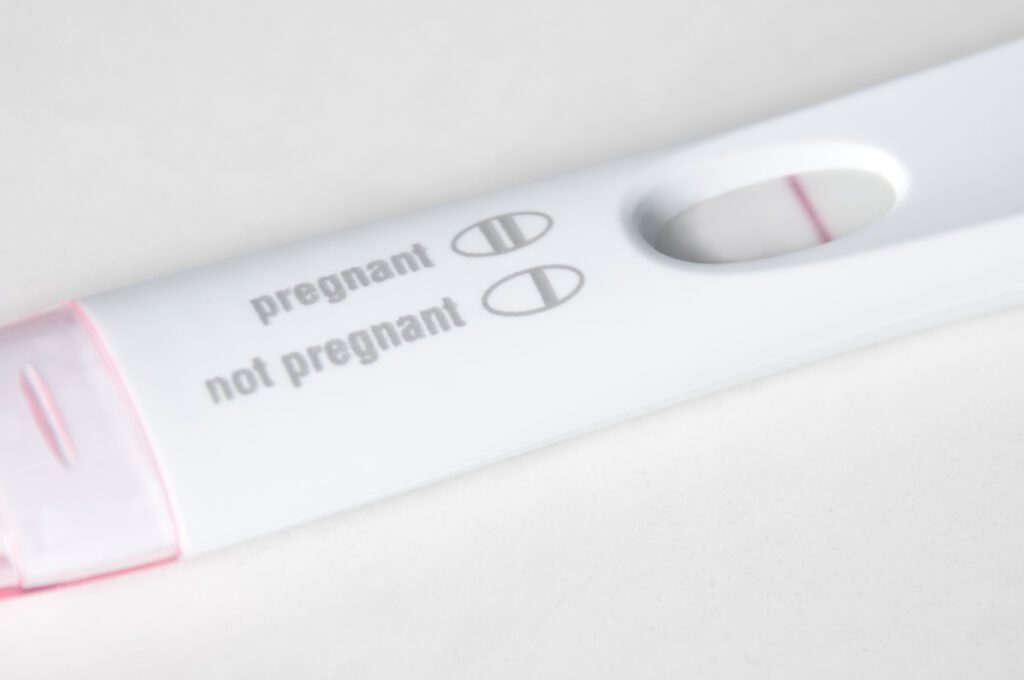
Here at Broadgate GP, we offer same-day private pregnancy blood tests with convenient same-day appointments for patients throughout London. If you think you might be showing some signs of early pregnancy, or you’ve carried out a home test and want a second opinion, then we can help. Contraceptives such as contraception patches are not always 100% effective, and with our pregnancy testing service, you can have accurate pregnancy results back the very same day. We regularly perform blood tests for patients across London to determine whether they are pregnant.
When you need a private pregnancy blood test in London, be sure to book an appointment with Broadgate GP. Our friendly and knowledgeable staff will provide you with the right guidance and support regarding pregnancy.
Pregnancy tests can be carried out at any time from the first day you’ve missed your period or 21 days after you’ve had unprotected sex. The most accurate way to determine if you’re pregnant is via a blood test. We offer private blood tests for pregnant women or women hoping to become pregnant throughout London. At Broadgate GP, we offer a same-day service for both walk-ins and appointments. Some of the pregnancy tests we offer to women throughout London are:
Pregnancy testing is an essential first step for anyone wanting to confirm whether they are pregnant. There are several methods available, including home pregnancy tests, urine tests, and blood tests. Among these, the pregnancy blood test is the most accurate way to detect early pregnancy. This test measures the level of human chorionic gonadotropin (hCG), a hormone produced by the placenta shortly after conception, in the blood. The beta hCG blood test is particularly sensitive and can detect pregnancy as early as 6-10 days after conception, often days earlier than most home pregnancy tests or urine tests. For women seeking early confirmation and peace of mind, a pregnancy blood test offers reliable results and is a crucial part of the early pregnancy journey.
Antenatal profiling is an important part of prenatal care, providing a detailed assessment of both maternal and fetal health. This comprehensive evaluation includes a range of tests designed to monitor well-being and identify any potential concerns early in the pregnancy.
At Broadgate GP, our antenatal profiling service is focused on providing reassurance and high-quality clinical oversight throughout your pregnancy. Appointments are available at our Central London clinic near Liverpool Street, with video consultations offered for initial advice and results discussions.
The main elements of antenatal profiling include:
Tests to identify any genetic conditions or inherited disorders that might affect the baby. These can include screenings for Down syndrome, cystic fibrosis, and other genetic anomalies.
Checks for infections that could pose risks during pregnancy, such as rubella, syphilis, HIV, and toxoplasmosis. Early detection allows for timely intervention and management.
Regular ultrasound scans to monitor the baby’s growth and development, ensuring milestones are met and identifying potential concerns early.
Routine blood tests to check for anaemia, blood type, Rh factor, and other important health indicators.
Urine tests to detect any infections or conditions like preeclampsia, which can affect pregnancy.
Chromosomal analysis is a vital diagnostic tool used to detect chromosomal abnormalities that could impact the baby’s development.
This analysis helps identify genetic disorders early in pregnancy, enabling informed decision-making and planning. Key aspects of chromosomal analysis include:
A test that examines the number and structure of chromosomes to detect abnormalities such as trisomy 21 (Down syndrome), trisomy 18 (Edwards syndrome), and trisomy 13 (Patau syndrome).
A blood test from the mother that screens for certain chromosomal conditions by analysing fetal DNA present in the maternal blood.
More detailed tests, in which a sample of amniotic fluid or placental tissue is taken to provide a comprehensive chromosomal analysis.
By detecting chromosomal abnormalities early, our service helps parents make informed decisions and prepare for any additional medical care that may be needed.
The ovarian reserve profile is an important set of tests for women who are planning a pregnancy or experiencing difficulties in conceiving. These tests assess the quantity and quality of a woman’s remaining eggs, providing insight into her fertility potential.
These tests, combined, give a comprehensive picture of a woman’s fertility status and can help guide decisions regarding family planning, fertility treatments, or interventions if necessary. At Broadgate GP, we ensure that these tests are conducted with the utmost care and provide personalised advice based on the results.
By offering these detailed assessments, Broadgate GP aims to support women at every stage of their reproductive journey, from conception through to pregnancy and beyond.
Main components of the ovarian reserve profile include:
Measures the levels of AMH in the blood, which is a strong indicator of the number of remaining eggs in the ovaries.
Assesses the levels of FSH on day 3 of the menstrual cycle to determine how well the ovaries are responding to the hormone, which is crucial for egg development.
Measures the level of estradiol, an estrogen hormone, to provide additional information about ovarian function.
A transvaginal ultrasound to count the visible follicles in the ovaries, which correlates with the ovarian reserve.
If you’re considering taking a private pregnancy blood test, chances are you may already have a suspicion you or your partner could be pregnant. Pregnancy can be indicated with the following symptoms:
If you or your partner has a regular bleed, a missed or late period is a good sign of pregnancy. Whether you’re hoping for a positive result or not, our private medical centre will be able to detect an early pregnancy with a beta hCG test on a blood sample.
Even the first days after possible conception, your body begins to adjust to accommodate the foetus that could soon be growing inside of you, so painful or sensitive breasts can be an indication of a pregnancy. However, if you suffer from PMS or endometriosis, there is also a good chance breast tenderness is caused by either of those.
Fatigue can lead to feelings of extreme tiredness. No one knows for certain what causes fatigue early in pregnancy but it’s most likely linked to hormones and can be especially more apparent in the first trimester.
Unusual feeling of nausea that may or may not include vomiting is an early indication of pregnancy, with some expecting mothers experiencing morning sickness from as soon as 4 weeks after conception.
If you’re experiencing one or more of these symptoms, we highly recommend coming to see us, either by appointment or at our walk-in clinic, to have a pregnancy blood test. It’s important to find out early so that you can start preparing for parenthood or to explore other options available to you, especially if you’re pregnant and have a condition like HIV that could cause complications for you and the baby.
All pregnancy tests are designed to detect the hormone known as human chorionic gonadotropin (HCG). This hormone starts to be produced around six days after fertilisation. All pregnancy tests are slightly different in the way they work, so it’s always advisable to have a pregnancy test carried out either by a general practitioner or a doctor at your local sexual health clinic.

If you carry out a home test and the result is a clear positive, it’s almost certain that you are pregnant. However, a negative result is less reliable, and if you think you might be pregnant, then it’s best to have a pregnancy test carried out by a doctor. When you choose Broadgate GP for pregnancy tests in London, you’ll have a result the very same day. Private pregnancy blood tests offer quick results and are typically available within 24 hours after the laboratory receives the sample. We also provide a range of other sexual health services, including STD testing!
When it comes to pregnancy testing, there are two main ways people find out: either with an at-home urine pregnancy test, which looks for HCG levels in urine, or with a blood test that is typically performed by a GP. There are many reasons people choose private blood tests to determine early pregnancy, too, such as:
More Sensitive
A blood sample is more sensitive to HCG levels and can provide a more accurate positive result than a urine test, which can produce false negatives. A blood test can also detect pregnancy far sooner than a urine test.
Measure Amount of HCG
Before the end of pregnancy, you should undergo a blood draw to help track HCG hormone levels and offer insight into your beta HCG level, which allows midwives to track the progress of your pregnancy. An early blood test means that any issues early on can be found quickly.
For more information about women’s sexual health, check out our blog on Sexual Health Advice for Women!

Once you receive your pregnancy blood test results, you’ll be ready to take the next steps in your pregnancy journey. If your result is positive, it’s important to schedule a follow-up appointment with your healthcare provider to confirm the pregnancy and begin discussing antenatal care options. If your result is negative but you’re still experiencing symptoms such as breast tenderness or a missed period, further testing may be necessary to determine the cause. In some cases, a negative result could indicate an ectopic pregnancy or another underlying health issue that requires prompt attention. Regardless of the outcome, a pregnancy blood test provides you with accurate, reliable information, empowering you to make informed decisions about your health and the next steps forward.
You can take a pregnancy blood test from the first day of a missed period or 21 days after unprotected sex for the most accurate results.
Pregnancy blood tests are more sensitive and can detect lower HCG levels, making them more accurate and capable of detecting pregnancy earlier than home pregnancy tests.
If your test is positive, you should book an appointment with a GP to discuss next steps and begin prenatal care.
Yes, blood tests can help in diagnosing ectopic pregnancies through abnormal HCG levels, but an ultrasound is usually required for confirmation.
If you're suffering from any type of health problem and you're based in the Central London area, then be sure to book an appointment with a GP.
We are a Private GP, therefore there is a charge for every appointment booked, to be paid on the day. Broadgate GP can only take appointments for patients
AGED 18 AND ABOVE.

Are you looking for a new website? Contact Outrank Today
