- Centrally Located: 65 London Wall Near Liverpool Street

- Centrally Located: 65 London Wall Near Liverpool Street
- 020 7638 4330
- doctor@broadgategp.co.uk
Visit our practice in London near Liverpool Street, call 020 7638 4330 or book an appointment online.

Over the years, Broadgate GP has treated many mycoplasma infection cases in London and has nursed patients back to full health. With a rise in mycoplasma cases in London, it’s important to get checked and treated as soon as possible. Mycoplasma infections occur sporadically throughout the year and can also cause widespread community outbreaks. Our appointments are fully discreet, and we offer fast test results too.
Our team of sympathetic and experienced staff will do their best to accommodate your requirements to ensure the appointment process runs smoothly. Mycoplasma is spread through contact with droplets from the nose and throat of infected people, especially when they cough and sneeze. We accept both new and existing patients, so if you’re experiencing symptoms of mycoplasma, be sure to book an appointment and call us on 020 7638 4330, or visit our clinic today.
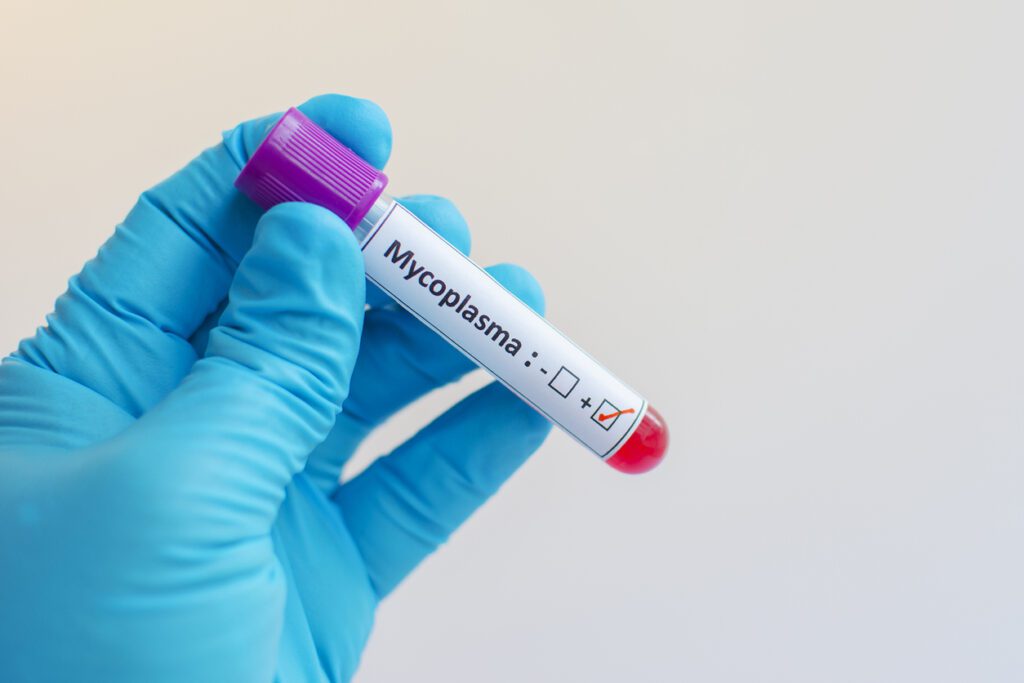
Mycoplasma refers to a genus of bacteria that lack a cell wall, a unique characteristic that distinguishes them from other bacteria and gives them high antibiotic resistance. These organisms are known for their small genome and are among the smallest self-replicating bacteria. Mycoplasma infections can lead to various health issues, often affecting the respiratory or urogenital tracts. Patients with mycoplasma infections may experience symptoms ranging from mild respiratory discomfort to more severe conditions, such as pneumonia. Due to their atypical nature, these infections require accurate diagnosis and targeted treatment.
At Broadgate GP, we specialise in the detection and management of mycoplasma infections, offering tailored treatments to our patients in London. Our state-of-the-art facilities and experienced medical staff ensure you receive the highest standard of care for your health concerns.
Mycoplasma infection is an illness that’s caused by a microscopic organism that affects the respiratory system. The infection is easy to catch and can be spread through coughing or sneezing, as bacteria travel through the air. There are many types of mycoplasma, each transmitted in a different way.
These are the most common Mycoplasma bacteria to worry about; however, there are over 200 known strains. Mycoplasma can cause a lung infection, ranging from mild cases like ‘walking pneumonia’ to more serious respiratory illnesses. If you’re based in London and think you might be suffering from mycoplasma, then be sure to get in touch to book an appointment.
Some types of mycoplasma are:
Mycoplasma pneumonia is a contagious respiratory infection that can easily spread through bodily fluids.
This is a bacterium passed through sexual contact, which can be treated.
This bacterium can penetrate the interior of human cells.
This can spread through sexual contact and can be treated using a range of methods.
Mycoplasma genitalium is a bacterial pathogen that can spread through sexual contact.
Whether you’re a walk-in patient or you book an appointment with us, our team will provide a friendly service and we’ll ensure you receive some of the highest standard of private health services in the London area.

These are just a few of the most common symptoms of mycoplasma. Should you be experiencing any of the Mycoplasma symptoms listed above, be sure to book an appointment today. Alternatively, if you live or work in London, then why not visit our clinic and try our walk-in service?

Mycoplasmas are cells that lack a cell wall around their membranes; without this cell wall, they are unaffected by antibiotics such as penicillin. This is classified as both a bacterium and a virus, commonly referred to as a mollicute. When it comes to mycoplasma, we offer efficient treatment plans to get you back on your feet in no time. All of our appointments are 100% confidential to ensure patient discretion. For mycoplasma treatment in London, be sure to book an appointment at Broadgate GP.
Diagnosing a mycoplasma infection often begins with a careful assessment of typical symptoms such as mild respiratory illness, sore throat, dry cough, and fever. Blood tests, including nucleic acid amplification tests, are sometimes used to detect Mycoplasma bacteria in the body. However, it’s important to note that mycoplasma infection diagnosed through these tests can be challenging, as a positive test does not always confirm an active infection. The diagnosis is often based on a combination of clinical symptoms, test results, and the patient’s overall health history. If you are experiencing mild symptoms such as a persistent cough, sore throat, or fever, it’s important to seek medical advice for an accurate diagnosis and appropriate treatment.
Mycoplasma infection is primarily spread through respiratory droplets when an infected person coughs or sneezes, making it easy for the bacteria to pass from person to person, especially in close-contact settings such as schools or nursing homes. Preventing the spread of Mycoplasma pneumoniae and other respiratory infections involves practicing good hand hygiene, covering your mouth and nose when coughing or sneezing, and avoiding close contact with individuals who show symptoms of respiratory illness. While antibiotic treatment can help reduce the risk of transmitting mycoplasma bacteria, it’s essential to use antibiotics only when prescribed by a healthcare provider to prevent the development of antibiotic resistance.
By following these simple prevention measures, you can help protect yourself and others from mycoplasma infection and other respiratory tract infections.
After a past infection with mycoplasma, the body may develop some level of immunity, but this protection is not permanent. It is possible to experience second infections, and symptom severity can range from mild to more pronounced, depending on the individual. The incubation period for mycoplasma infection typically ranges from 1 to 4 weeks, and symptoms may persist for several weeks after onset.
Mycoplasma pneumoniae infection can affect people of all ages, but children and young adults are particularly susceptible. Even if a person is immune to Mycoplasma pneumoniae infection, they can still carry and transmit the bacteria to others, which is why prevention and good hygiene practices remain important. Those with weakened immune systems may be at higher risk for more severe symptoms and complications.
We have been offering mycoplasma treatment in London for many years. With our same-day appointments and walk-in service, we offer convenient scheduling. Having listened to our previous patients’ feedback, we believe some of the reasons you should visit us for mycoplasma treatment are:
If you live or work in London and are suffering from any of the symptoms of Mycoplasma, then be sure to book an appointment at Broadgate GP. Our same-day and walk-in service means we can see you on a day and at a time that suits you. We offer discreet, private appointments, so no one will even know you’ve been treated for mycoplasma. For mycoplasma treatment in London, book an appointment online today with Broadgate GP. We also cover London Bridge, Liverpool Street, Holborn, Farringdon, Monument, Aldgate, Chancery Lane, and Bank.
If you're suffering from any type of health problem and you're based in the Central London area, then be sure to book an appointment with a GP.
We are a Private GP, therefore there is a charge for every appointment booked, to be paid on the day. Broadgate GP can only take appointments for patients
AGED 18 AND ABOVE.

Are you looking for a new website? Contact Outrank Today
