- Centrally Located: 65 London Wall Near Liverpool Street

- Centrally Located: 65 London Wall Near Liverpool Street
- 020 7638 4330
- doctor@broadgategp.co.uk
Visit our practice in London near Liverpool Street, call 020 7638 4330 or book an appointment online.
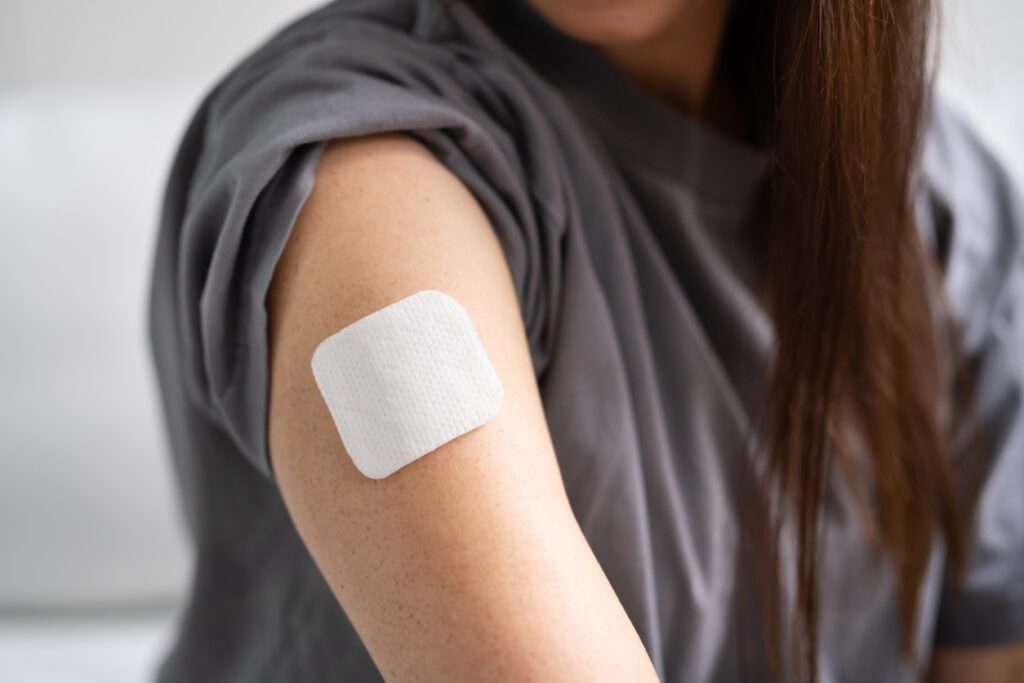
The contraceptive patch, often called the birth control patch, is a unique contraceptive solution designed exclusively for women. When committed to using the patch correctly, it offers an impressive efficacy rate of over 99% in preventing pregnancy. This method involves a discreet adhesive patch, similar in appearance to a nicotine patch, measuring approximately 5cm x 5cm.
The primary function of the birth control patch is to release pregnancy-preventing hormones directly into the body through the skin. To ensure optimal protection against pregnancy, applying a new patch according to the recommended schedule is vital.
The leading brand for this contraceptive method in the UK is ‘Evra’. Understanding its correct usage is paramount for those considering this form of birth control or those already using the patch. Replacing and applying a new patch at the proper intervals is essential to remain consistently protected against pregnancy. Any deviation from the recommended usage can reduce its effectiveness.
If you have questions about using the patch correctly or are considering starting on this contraceptive method, Broadgate GP is here to assist. Our team is dedicated to providing the necessary guidance and support to ensure you make informed decisions about your reproductive health.
More than 99% effective when used properly
One patch lasts for one week
Use one patch per week for three weeks then nothing for week four
Can be worn in the bath, when playing sports and in the swimming pool
May help to ease heavy and/or painful periods
May protect against colon, ovarian and womb cancers
Protected against pregnancy
Does not protect against Sexually Transmitted Infections (STIs)


To minimise the likelihood of any skin irritation, you can vary where you position the patch on each side, each time you use it.

The contraceptive patch, often called the birth control patch, is a reliable method that releases the same hormones as other birth control techniques. When you apply the patch correctly, it offers consistent protection. However, there might be times when the patch may come off unexpectedly. If you notice it’s been off for less than 48 hours, stick it back on as soon as possible, but only if it’s still sticky.
If it’s lost its adhesive quality, applying a new patch immediately is essential. Do not try to re-apply the patch using sticking plasters or bandaging it. Please continue your patch cycle and change the patch on its initially scheduled replacement date.
If the patch had only been on for six days or less when it came off, the effectiveness of the contraceptive patch might have been reduced. To reduce the risk of pregnancy in such situations, you should immediately put on a new patch.
Additionally, use another form of contraception as a backup for the next seven days. If you’re uncertain about the duration the patch was off, it’s safest to apply a new patch and start a fresh patch cycle.
Alongside this, use an alternate form of contraception for the following week. If you’ve had unprotected relations during this uncertain period, it’s advisable to consider emergency contraception to further safeguard against potential pregnancy.
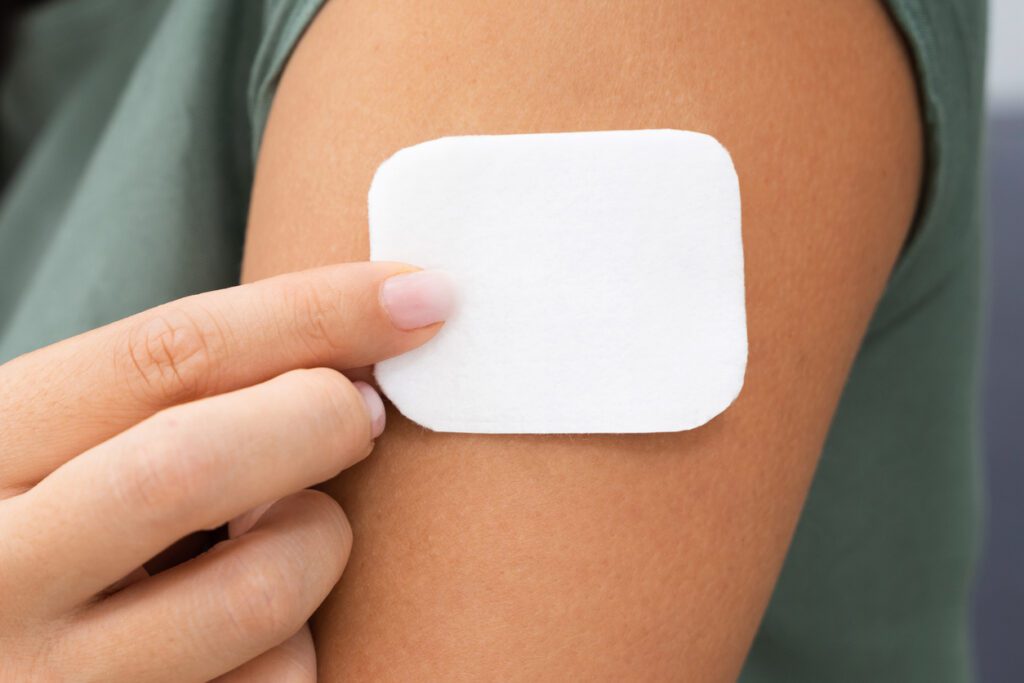

Proper application of contraception patches is crucial for their effectiveness. To begin, select a clean, dry, and relatively hair-free area of your skin. Common locations include the upper outer arm, upper torso, or buttocks. Avoid areas with a lot of friction or where clothing might rub against the patch. Ensure your chosen spot is free from lotions, oils, or creams that could hinder adhesion. Gently press the patch onto your skin, holding it firmly for several seconds to ensure it sticks.
It’s vital to apply the patch on the same day each week for three consecutive weeks, then have a patch-free interval on the fourth week. Remember, the patch should never be reused, even if it looks intact after removal.
In the event that a patch falls off and it’s been less than 48 hours, try to reattach it immediately, provided it’s still adhesive. If it’s lost its stickiness, replace it with a new patch immediately. Never attempt to reinforce it with plasters or bandages, as this won’t guarantee its effectiveness. You may not be adequately protected if the patch comes off within the first six days of application.
In this scenario, it’s advisable to use an alternative form of contraception for the next seven days. If you’re uncertain about the duration it was off, apply a new patch immediately and begin a new cycle.
Always keep in mind that if you’ve had unprotected intercourse during this period, considering emergency contraception is a prudent precaution.

Contraception patches are a highly effective method of birth control when used correctly. When adhered to consistently, they offer a remarkably high protection against unintended pregnancy. Contraception patches are over 99% effective at preventing pregnancy when used according to the prescribed schedule.
The key to their effectiveness is the steady release of oestrogen and progestogen hormones through the skin. These hormones work in multiple ways to prevent pregnancy. They inhibit the release of an egg from the ovaries, make cervical mucus thicker, which hinders sperm movement, and also thin the lining of the uterus, making it less receptive to a fertilised egg.
However, it’s important to note that no contraception, including patches, is foolproof. Factors such as incorrect usage, missing a patch, or certain medications may affect their efficacy. Therefore, it’s crucial to use the contraception patch as directed and seek advice from a healthcare professional if you have any concerns.
For those who diligently follow the recommended usage guidelines, contraception patches provide a highly reliable method of preventing pregnancy. As with any contraceptive method, it’s advisable to discuss it with your healthcare provider to ensure that it aligns with your health and lifestyle considerations.
Combining the oral contraceptive pill with contraception patches, often called a “dual method,” is a practice some individuals consider for added protection against unintended pregnancy. This approach involves using two forms of hormonal contraception simultaneously. While there is no known harm in using both methods together, it’s essential to consult with a healthcare provider before doing so.
It’s important to note that using two hormonal methods simultaneously may increase the likelihood of experiencing hormonal side effects, such as nausea, breast tenderness, or mood changes. Some individuals may find this combination less comfortable than using one method alone. Additionally, it’s essential to communicate openly with a healthcare provider about any concerns or questions regarding this dual-method approach.
Ultimately, the decision to combine the oral contraceptive pill with contraception patches should be made in consultation with a healthcare professional. They can provide personalised advice based on individual health considerations, lifestyle, and preferences, helping you choose the most suitable and effective contraception method.
If you're suffering from any type of health problem and you're based in the Central London area, then be sure to book an appointment with a GP.
We are a Private GP, therefore there is a charge for every appointment booked, to be paid on the day. Broadgate GP can only take appointments for patients
AGED 18 AND ABOVE.

Are you looking for a new website? Contact Outrank Today
