- Centrally Located: 65 London Wall Near Liverpool Street

- Centrally Located: 65 London Wall Near Liverpool Street
- 020 7638 4330
- doctor@broadgategp.co.uk
Book a private chlamydia test at Broadgate GP’s sexual health clinic in Central London. Same day appointments are often available, with rapid lab analysis and clear follow-up. We provide GP‑led STI testing, diagnosis and chlamydia treatment in one visit where clinically appropriate. Find us at 65 London Wall, EC2M 5TU, close to Liverpool Street.
If you have been searching for chlamydia test london, our doctors can help you arrange accurate testing today.
Visit our practice in London near Liverpool Street, call 020 7638 4330 or book an appointment online.
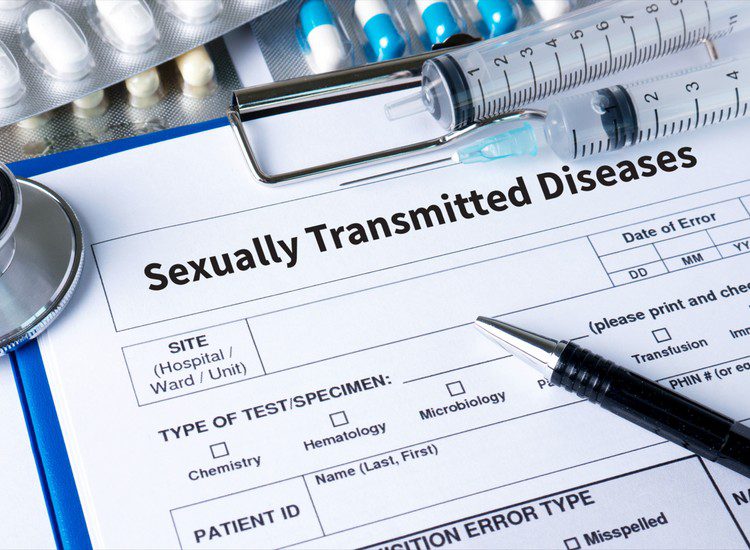
Chlamydia is a bacterial infection caused by Chlamydia trachomatis. It is sexually transmitted and can affect the cervix, urethra, rectum and throat, as well as the eyes. Many people have no symptoms. Because asymptomatic infection is common, routine testing for sexually active people, especially after a new sexual partner, reduces the risk of onward transmission and complications. Diagnosis is made using a sensitive nucleic acid amplification test on a urine sample or a swab from the relevant site.
Broadgate GP provides GP‑led chlamydia testing in London clinics, carried out within our confidential sexual health clinic near Liverpool Street. Your doctor will discuss your symptoms, exposure and preferred sample type, then recommend the most suitable test. Our chlamydia testing london appointments can also include a wider STI screen if clinically relevant.
If you would like combined screening, our doctor can arrange a chlamydia and gonorrhoea test at the same appointment. We also provide gonorrhoea tests for throat and rectal sites if indicated by your sexual activity.

Chlamydia often causes no obvious symptoms. When symptoms do appear, they can be mild, intermittent or mistaken for other issues. Typical onset is one to two weeks after sexual contact but may be later. If you notice any of the symptoms below, arrange a chlamydia test promptly through our sexual health clinic.
Women may notice unusual vaginal discharge, pain or burning when passing urine, lower abdominal discomfort, bleeding after sex or between periods, and pain during intercourse. Rectal infection can cause pain, discharge or bleeding. Throat infection is usually silent but can lead to a sore throat. Even if you feel well, a chlamydia test for women is advised after unprotected sex or if a sexual partner has tested positive.
Men may experience pain or burning when urinating, discharge from the penis that can be clear or cloudy, and occasional testicular pain or swelling. Rectal infection may lead to discomfort, discharge or bleeding. A chlamydia test for men is recommended after a new sexual partner, unprotected sex, or if any genital or rectal symptoms occur.
Chlamydia can affect the throat after oral sex and the rectum after anal sex. Throat infection rarely causes specific symptoms beyond a mild sore throat. Rectal infection can cause pain, discharge, itching and bleeding. Targeted testing with a throat or rectal swab is the most reliable way to check these sites when relevant to your sexual activity.

Chlamydia is passed through sexual contact that involves the exchange of genital secretions. Transmission can occur during vaginal sex, anal sex and oral sex, and by sharing sex toys that are not cleaned or covered with a new condom between partners. A pregnant person with untreated infection can pass chlamydia to the baby during birth.
Risk increases with unprotected sex, a new sexual partner, multiple partners, or if a partner has not been screened. People under 25 who are sexually active are at higher risk and benefit from routine testing. If a sexual partner has tested positive, you should arrange testing and avoid sex until you have been assessed and, if needed, treated.
Confidential consultation: your doctor reviews symptoms, sexual activity and recent sexual partners, then recommends the right STI testing.
Sample collection: you provide a urine sample or we take or guide a self‑collection swab sample from the relevant site; a blood sample may be taken for a full STI screen.
Laboratory analysis: samples are couriered to accredited partner labs for sensitive nucleic acid testing.
STI test results: we explain how results will be delivered and when to expect them.
Next steps: your doctor outlines treatment, partner management and any repeat test required.
Your results are delivered results securely, typically via a private portal, SMS or phone call as agreed. We do not share your test results with your NHS GP without your consent. Our sexual health clinic is non‑judgemental and doctor‑led throughout.

Chlamydia test results are usually available within one to two working days once the laboratory receives your sample, with some tests returning sooner. Same day appointments are often available to get you seen quickly, but laboratory timing determines when test results are ready.
Some providers advertise instant tests. Instant tests can be useful in specific scenarios, but many chlamydia tests still rely on laboratory methods for the most accurate diagnosis. Instant tests are not always appropriate for every infection or every sample site. Instant tests also may require confirmatory lab analysis if reactive. Your doctor will advise whether instant tests are suitable for you, and when a lab test is preferred for reliable chlamydia diagnosis.
Our role is to make timelines clear. We distinguish between same day appointments, rapid processing and the actual time your test results are issued. If a result needs further checks, your doctor will explain the reason and when to expect the final report.
Chlamydia is curable with antibiotics. Current UK practice commonly uses a short course of oral doxycycline as first‑line treatment. Alternative regimens may be considered if doxycycline is not suitable. Your doctor will prescribe the most appropriate medication, explain how to take it, advise about side effects and answer practical questions about sex during and after treatment.
If you receive a positive test result or you tested positive elsewhere, we can provide treatment where clinically appropriate and discuss partner notification. Recent sexual partners should be informed and offered testing and treatment to prevent re‑infection. You should avoid sex, including oral and anal sex, until both you and any treated sexual partner have completed treatment and symptoms, if present, have settled.
A repeat test is not routinely needed for uncomplicated genital infection. Your doctor may still recommend follow‑up testing in certain cases, for example during pregnancy, persistent symptoms, or ongoing higher risk exposure. Retesting for reinfection is often advised after a few months as many STIs can recur if exposure continues.
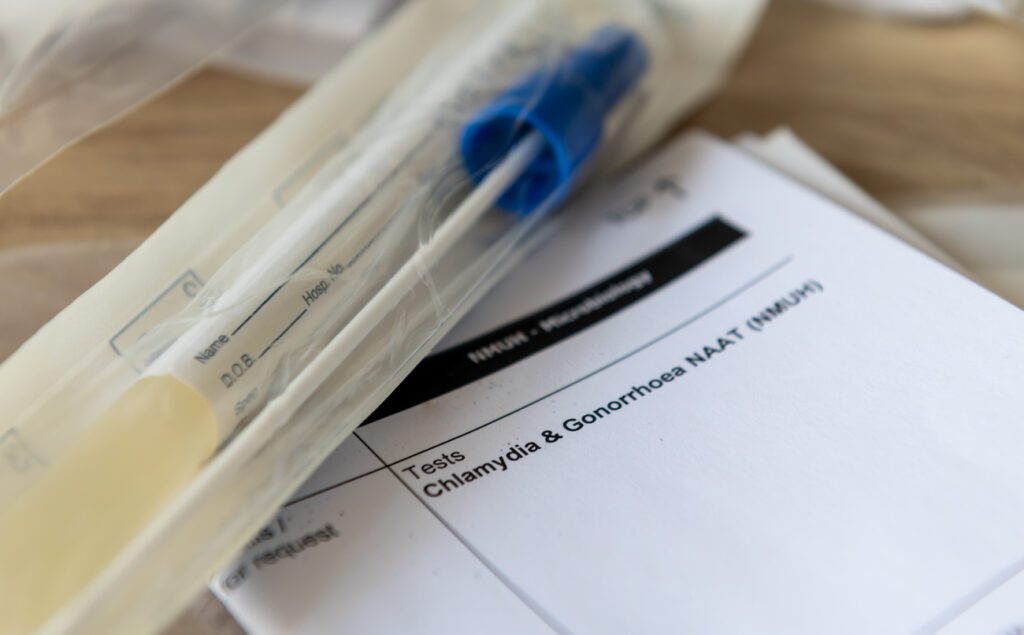
Condom use reduces transmission risk during vaginal and anal sex and provides some protection for oral sex. However, because many STIs, including chlamydia, can be asymptomatic, regular STI testing remains important for anyone sexually active with new or multiple partners. Where indicated, we pair a chlamydia test with chlamydia and gonorrhoea tests from all relevant sites, and we can add HIV testing, syphilis and hepatitis B or hepatitis C screening to build a complete picture of your sexual health.
Our doctor will help you decide when to test again. A repeat test may be advised if you were within the window period at the first appointment, if you remain at higher risk, or to check for reinfection after changing sexual partners. As many STIs and most common STIs can be silent, regular screening is a practical way to protect your health.

Untreated infection can lead to serious complications. In women, spread to the uterus and fallopian tubes can cause pelvic inflammatory disease with pain, fever, and an increased risk of infertility and ectopic pregnancy. In men, epididymitis can cause testicular pain and swelling. Rectal infection can persist and continue to transmit. Across all patients, inflammation may increase the risk of acquiring or passing on other sexually transmitted infections, including HIV. These are serious health problems that are largely preventable with timely STI testing and treatment.
Chlamydia is most reliably detected around two weeks after exposure using NAAT testing on urine or a swab. If you test earlier, we can still assess and arrange a repeat test if the first result is negative but within the window period. Do not delay seeking advice if you have symptoms.
Seven days can be early. A test may detect infection, but sensitivity is lower during the first one to two weeks. If you attend at a week, your GP may recommend testing now and a repeat at around 14 days if the initial test is negative and timing remains borderline.
Yes. We commonly arrange combined chlamydia and gonorrhoea NAATs from the same urine sample or targeted swabs. If your sexual activity includes oral sex or anal sex, we may advise throat or rectal swabs as well to improve detection at those sites.
Chlamydia test results are usually available within one to two working days once the laboratory receives your sample. Some results return sooner. We will agree how you would like to receive your results and share them securely by phone, SMS or a private portal.
Yes. Where clinically appropriate, our GP will prescribe antibiotics and explain how to take them. Doxycycline is commonly used first line in the UK. We also advise on partner notification, sex during and after treatment, and whether follow‑up or retesting is needed.
If you're suffering from any type of health problem and you're based in the Central London area, then be sure to book an appointment with a GP.
We are a Private GP, therefore there is a charge for every appointment booked, to be paid on the day. Broadgate GP can only take appointments for patients
AGED 18 AND ABOVE.

Are you looking for a new website? Contact Outrank Today
