- Centrally Located: 65 London Wall Near Liverpool Street

- Centrally Located: 65 London Wall Near Liverpool Street
- 020 7638 4330
- doctor@broadgategp.co.uk
Broadgate GP provides private assessment and thrush treatment in London for people experiencing symptoms of vaginal or genital thrush, recurrent infections or symptoms that have not improved after previous treatment.
From our private GP clinic at 65 London Wall, close to Liverpool Street, our doctors can assess your symptoms, determine whether thrush is the likely cause, arrange testing where clinically appropriate and provide treatment or prescriptions where required. Broadgate GP offers same-day GP appointments and also accepts walk-in patients.
If you have new, persistent or recurring genital symptoms, book a private sexual health appointment for an appropriate assessment.
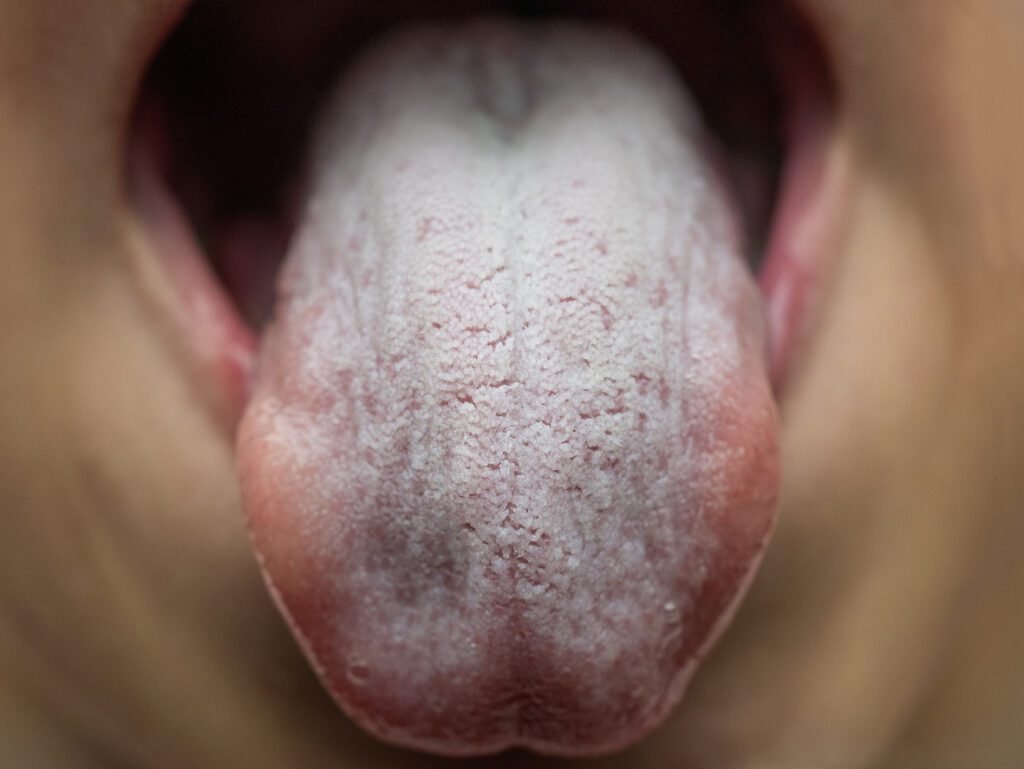
Thrush is a fungal infection caused by an overgrowth of Candida yeast, most commonly Candida albicans. Candida can naturally be present in the body without causing any symptoms. Thrush develops when the normal balance changes and the yeast multiplies enough to cause irritation or inflammation.
In a sexual-health setting, thrush most commonly refers to vaginal or genital thrush. It can affect the vagina and vulva or cause inflammation around the head of the penis and foreskin.
Thrush is not classed as a sexually transmitted infection (STI). Sex can sometimes trigger symptoms and thrush can less commonly be passed during sex, but most cases result from Candida already present on the body multiplying.
Because several other vaginal and genital conditions can cause similar symptoms, an assessment can be useful if this is your first episode, the symptoms are unusual, treatment has failed or the problem keeps returning.

Thrush usually develops because something changes the environment that normally keeps Candida under control.
Recognised factors that can increase the likelihood of genital thrush include:
In some people, sex can also appear to trigger an episode. This does not mean the infection was necessarily acquired from a sexual partner.
If thrush repeatedly returns, identifying contributing factors becomes more important than simply treating each episode in isolation.
Genital thrush commonly causes itching, irritation, soreness and inflammation. Symptoms vary according to the area affected, and not everybody experiences the same combination of symptoms
Oral Thrush
White or cream-coloured patches on the tongue, inner cheeks, or throat. These patches may be painful or cause difficulty swallowing.
Genital Thrush
Itching, redness, and swelling in the genital area, along with a thick, white discharge in women.
Diaper Rash
Infants may develop a bright red rash in the diaper area that does not improve with typical diaper rash treatments.
Nail Bed Infection
Candida can invade the nails, causing changes in colour, texture, and thickness.
No, thrush is not contagious and is usually treated successfully with antifungal medication.
No. Thrush is not classified as an STI.
Candida commonly lives harmlessly on the body, and genital thrush usually develops when this yeast overgrows rather than because somebody has contracted a new infection through sexual contact.
However, genital symptoms can sometimes look similar to those caused by an STI. If symptoms began following sex with a new partner, unprotected sex or another potential STI exposure, it may be sensible to consider broader private STI testing in London rather than assuming that thrush is the only possible cause. Broadgate GP can discuss which tests are appropriate based on your symptoms and sexual history.
Yes, vaginal thrush is common. Approximately three-quarters of women will experience vaginal thrush at some point. 1 in 20 women experience recurring thrush infections, and you can get vaginal thrush at any age. However, it’s most common in women in their 20s and 30s.

In addition to general thrush symptoms, women may experience the following:
These symptoms are suggestive of thrush but do not confirm it. Bacterial vaginosis, sexually transmitted infections, dermatitis and other vulval or vaginal conditions can sometimes produce overlapping symptoms.
A strong fishy smell with thinner grey or white discharge, for example, is more characteristic of bacterial vaginosis than vaginal thrush. Broadgate GP has further guidance on the difference between BV and thrush.
Men can also develop genital thrush. Symptoms may include:
Some men with Candida do not experience obvious symptoms. Other conditions, including balanitis caused by other factors and some STIs, can produce similar signs, so persistent or unusual symptoms should be assessed rather than assumed to be thrush.

Thrush does not always require a laboratory test. A doctor may be able to make an assessment from your symptoms, medical history and, where appropriate, examination.
Testing becomes particularly useful when:
A swab can be taken from discharge or the affected area when clinically appropriate. Broadgate GP’s current sexual-health testing information confirms that patients with relevant vaginal symptoms may be offered testing for thrush/Candida alongside investigation for other causes.
For recurrent vulvovaginal candidiasis, UK specialist guidance places greater importance on microbiological confirmation and may use culture to identify the Candida species and help guide management when appropriate.
Thrush does not have an STI-style window period because it is generally caused by an overgrowth of Candida already present in the body rather than a new infection that must become detectable after a particular exposure.
If you have symptoms now, you do not normally need to wait for a fixed number of days after sex before seeking an assessment. A clinician can review your symptoms and decide whether examination, a swab or testing for other genital infections would be useful. This differs from infections such as HIV, chlamydia or syphilis, where the timing of testing after exposure can affect reliability.


Thrush that keeps returning deserves further assessment rather than repeated courses of self-treatment.
The NHS advises seeking medical help if you experience thrush more than four times within 12 months. Repeated symptoms may prompt a clinician to confirm that Candida really is responsible, investigate possible underlying factors and consider a longer treatment strategy.
Possible contributing factors include recent antibiotics, poorly controlled diabetes, immune suppression and hormonal factors. Importantly, recurrent vulval or vaginal symptoms are not always recurrent Candida; other infections and non-infectious vulval conditions can mimic thrush. BASHH guidance therefore emphasises confirming recurrent vulvovaginal candidiasis rather than repeatedly treating symptoms without adequate investigation.
If symptoms repeatedly return, Broadgate GP can assess the pattern and arrange further investigation or referral when appropriate.

Understanding the causes, symptoms, testing methods, and thrush treatment options empowers individuals to recognise and address the condition promptly. By implementing preventive measures and seeking appropriate medical care, you can manage thrush effectively and reduce its impact on your overall well-being.
Consulting a sexual health clinic or GP is crucial for an accurate diagnosis and personalised treatment plan.
Thrush is common during pregnancy because hormonal changes can make Candida more likely to multiply. The NHS states that there is no evidence that vaginal thrush itself harms an unborn baby.
Treatment choices are different during pregnancy. The NHS advises speaking to a GP or midwife before treating pregnancy-related thrush and states that oral anti-thrush tablets such as fluconazole should not be used during pregnancy. Vaginal creams or pessaries containing an appropriate antifungal may instead be recommended following clinical advice.
If you are pregnant and experiencing unusual vaginal discharge, itching or soreness, arrange an assessment rather than assuming that thrush is the cause.
Broadgate GP also provides a private women’s health clinic in London for wider gynaecological and women’s health concerns.
Candida can live naturally in the body without causing symptoms. This does not necessarily mean you have symptomatic thrush. Genital thrush refers to Candida overgrowth associated with symptoms such as itching, soreness, irritation or discharge.
There is no standard STI-style thrush window period. If you currently have symptoms, you can seek clinical assessment without waiting a fixed period after sex. A swab may be taken if the cause is unclear or symptoms keep returning.
Swabs and laboratory investigation can help identify Candida, but results need to be interpreted alongside your symptoms because Candida may also be present without causing problems. In recurrent cases, additional laboratory testing can help confirm the diagnosis and identify the Candida species.
Yes. Male genital thrush can cause itching, burning, redness, soreness or white discharge around the head of the penis and under the foreskin, although some men have few or no symptoms.
Thrush is not classed as an STI. Sexual activity can sometimes trigger an episode and, less commonly, Candida may be passed during sex. If you have symptoms after a new sexual partner or unprotected sex, STI testing may still be appropriate because other infections can produce similar symptoms.
Recurring thrush can be associated with factors such as antibiotics, poorly controlled diabetes, hormonal changes or a weakened immune system. Sometimes recurrent symptoms are caused by something other than Candida, so repeated episodes should be clinically assessed.Lorem ipsum dolor sit amet, consectetur adipiscing elit. Ut elit tellus, luctus nec ullamcorper mattis, pulvinar dapibus leo.
If you're suffering from any type of health problem and you're based in the Central London area, then be sure to book an appointment with a GP.
We are a Private GP, therefore there is a charge for every appointment booked, to be paid on the day. Broadgate GP can only take appointments for patients
AGED 18 AND ABOVE.

Are you looking for a new website? Contact Outrank Today
