- Centrally Located: 65 London Wall Near Liverpool Street

- Centrally Located: 65 London Wall Near Liverpool Street
- 020 7638 4330
- doctor@broadgategp.co.uk
Visit our practice in London near Liverpool Street, call 020 7638 4330 or book an appointment online.
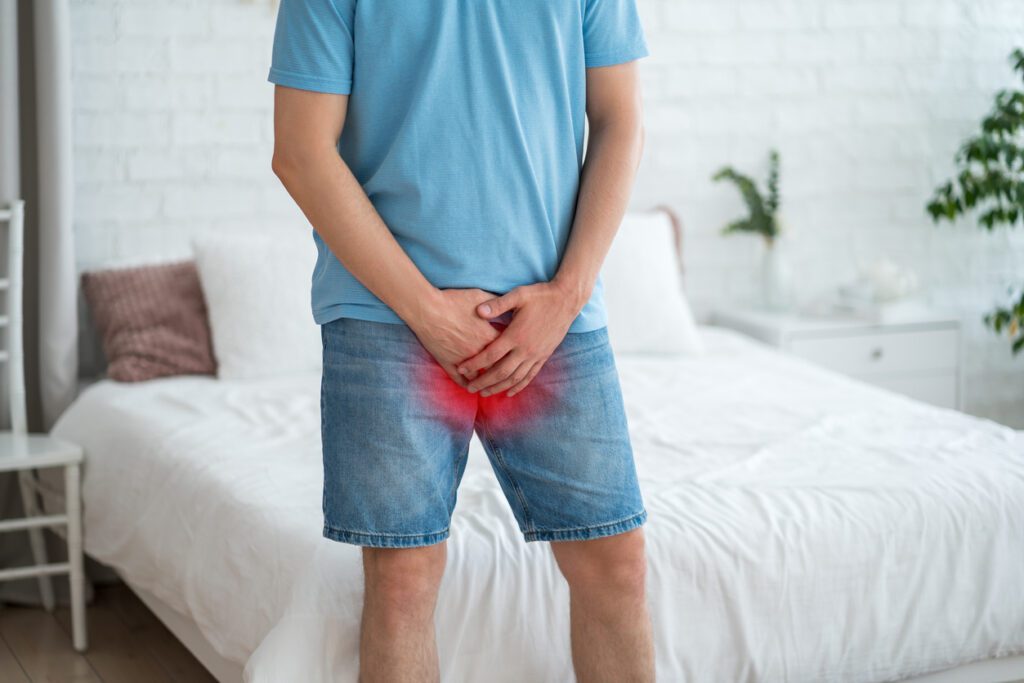
Herpes is a viral sexually transmitted infection that takes two forms: Herpes Simplex Virus 1 (HSV 1) and Herpes Simplex Virus 2 (HSV 2). Most herpes viruses are commonly caused by HSV 2, but some are caused by HSV 1, which is typically the cause of oral herpes. One of the most common forms is genital herpes, and once you’ve contracted the herpes virus, it stays with you for life. After the initial infection, herpes remains dormant in the body and can reactivate, causing recurrent outbreaks. Even when the virus is not active, certain blood tests can detect past infection by identifying antibodies that indicate prior infection but do not indicate current infectiousness.

Here at Broadgate GP, we offer discreet and confidential herpes testing in Central London. Our experienced doctors can help identify the signs and symptoms of genital herpes and arrange appropriate testing to ensure effective treatment and ongoing management. All testing is conducted with strict confidentiality in a professional clinical setting. We offer flexible appointment times to suit your schedule.
Appointments can be booked in advance, accessed via our walk-in service near Liverpool Street, or arranged as a video consultation for initial advice and guidance. Same day appointments and same day results are available for herpes testing, providing maximum convenience. Please note that a consultation fee applies to appointments with our healthcare professionals. We are committed to providing private, supportive sexual health care with fast access to testing and results.
There are many signs and symptoms of genital herpes, all of which display themselves at different times. Herpes symptoms are commonly divided into primary and recurrent symptoms. The most common symptoms of genital herpes include painful blisters that can rupture and turn into sores. Symptoms of herpes typically appear 4 to 7 days after initial exposure to the virus. Other symptoms may include burning sensations when passing urine, as well as itching, redness, and discomfort in the genital area. Ensuring you receive an accurate diagnosis for genital herpes can help alleviate the symptoms you might be suffering from. Genital herpes is much more common than people think. Research has shown that:
The herpes simplex virus is relatively unimportant and doesn’t cause permanent damage to health or fertility; however, it is advisable to be diagnosed and treated to help prevent the virus from spreading. Once infected with genital herpes, it’s likely that you will be subject to further outbreaks throughout your life, as there is no permanent cure for HSV-1 or HSV-2. Herpes spreads easily through skin-to-skin contact.
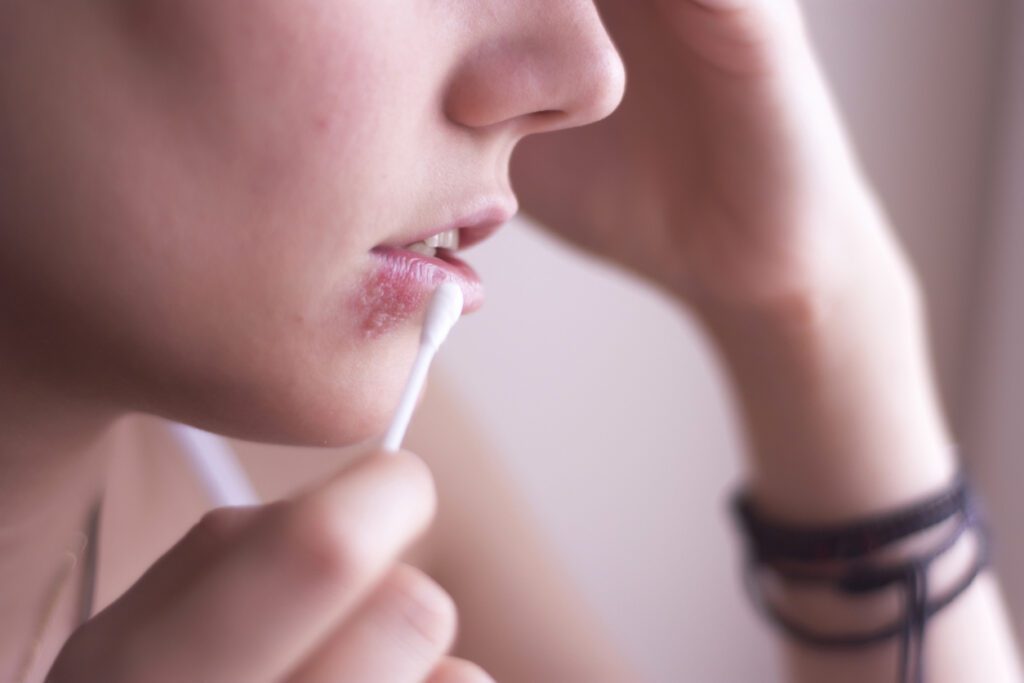
When first infected, you may experience early symptoms of herpes, which usually include:
After the initial burning or itching sensations, one or more clusters of smaller blisters will appear, primarily around the genital areas of the infected person. The presence of these blisters and symptoms indicates a current infection, which is the active, contagious stage of herpes. A current infection can be confirmed by specific testing, such as swabs from active lesions. It typically takes about 2 weeks for the body to produce antibodies detectable in a blood test after a herpes infection.
The most common places to find blisters include:
The genital herpes sores are likely to appear inside or on the penis, scrotum, groin, thigh, buttocks, or around the anus.
Women will usually experience the genital herpes sores on the labia, inside the vagina, groin, thighs, on the buttocks, or around the anus.
Although genital herpes is most commonly passed on through sexual activity, it is possible to contract herpes in the mouth, tongue, lips, or on other parts of the body. When women experience the symptoms of herpes, they can suffer from painful urination and abnormal vaginal discharge.

After the first outbreak of genital herpes, symptoms tend to become less severe and last for fewer days. When you have recurrent episodes of oral herpes or genital herpes, the symptoms typically last between 5 and 10 days, depending on when you started your treatment. When treating herpes early, symptoms can start to alleviate within 24 hours.
Herpes is a complex virus and can easily spread around the body. Most people who contract genital herpes will see the infection spread to other parts of their body, such as the lips, fingers, and eyes.
Once you’ve contracted it, you can easily spread it to others, especially sexual partners. It’s incredibly important to ensure that you seek a diagnosis from a medical professional if you’re concerned that you might have contracted genital herpes. This helps you stop the spread of the infection within your body and to others.
When treating genital herpes, there are three main medicines used, which are acyclovir, famciclovir, and valacyclovir. These are typically taken in pill form or applied as a cream to the blisters. Once you’re infected with the virus, you’ll receive three types of herpes treatment:
When you display the symptoms of herpes for the first time you’ll typically be given a brief course of antiviral medicine that will last around 7 to 10 days. This course of antiviral treatment might be extended if it doesn’t clear up.
Your doctor might prescribe an antiviral medication for you to keep in and use when the infection flares up again.
If the outbreaks begin to happen more often, you might want to consider taking antiviral medication on a day to day basis. Many people who take medication on a daily basis have no outbreaks.

The frequency of the outbreaks will depend on the strength of your own immune system. Whilst some people might have one outbreak a year, others can experience 6 or more. The healthier your own immune system is, the less likely you’ll suffer from an outbreak.
It’s not advisable to participate in oral sex with someone who has any type of HSV, especially when they are showing symptoms, as it can easily be passed from the mouth to the genitals.
If you would like to learn more about STIs and their history, check out our blog on the history of STIs.
There are a few key steps you can take to prevent oral and genital herpes, which are:
A latex condom may protect you from the herpes virus if it covers the infected area.
Asking – Don’t be afraid to ask your sexual partner if they have previously had an STD, especially if you notice symptoms
If someone has a cold sore, avoid coming into sexual contact with them, as they are likely to pass the herpes virus onto you.
If you notice any symptoms in yourself or a partner, then be sure to get tested for herpes to ensure you haven’t contracted the virus or any other STD.
If you’re intoxicated, your judgment might be impaired, and you’re less likely to use the right protection, which could lead to you contracting genital herpes.

A herpes simplex virus eye infection is a viral infection that causes painful, red eyes. It is also known as ‘eye herpes’ or ‘ocular herpes’. It’s vital that you seek immediate treatment if you believe you have this herpes simplex virus type, as it can sometimes affect your sight.
Living with herpes simplex virus doesn’t have to disrupt your life. With the right approach, you can effectively manage symptoms and reduce the frequency of recurrent episodes. If you have been diagnosed with genital herpes or oral herpes, following your healthcare provider’s advice is key. Antiviral medication can help to treat herpes outbreaks, shorten their duration, and, when taken daily as suppressive treatment, may even prevent future flare-ups. Maintaining a healthy immune system through balanced nutrition, regular exercise, and stress management can also help minimise outbreaks.
It’s important to avoid sexual contact during an active outbreak or when you notice symptoms such as tingling or small blisters, as the virus is most easily spread at these times. Using condoms and avoiding sharing sex toys can further reduce the risk of transmission. Open communication with sexual partners about your diagnosis and taking steps to protect each other can help you maintain healthy relationships while managing this viral infection.
Herpes is generally only tested for and diagnosed when someone starts to display symptoms related to the virus. People with itchy skin, fever, or sores should visit Broadgate GP to get tested. One of our team members will take a swab from the infected area and test it for the disease. Should you be displaying any symptoms of genital herpes, or if you think you might have contracted it from an infected person, then book an appointment at Broadgate GP. We offer discreet and confidential appointments.
In many cases, a doctor or nurse may diagnose genital herpes by looking at the affected skin. They’ll want to confirm this by taking a fluid sample from the infected area, if possible. The swab will be sent to a laboratory. The result will usually be known within 1–3 weeks. Some clinics may be able to provide you with the result within 1–2 days. A swab looks a bit like a cotton bud but is smaller and rounded. It wipes over the parts of the body that could be infected and easily collects fluid samples. This only takes a few seconds and may sting for a moment if the blisters and sores are tender. There’s a specific blood test that can detect antibodies to the virus. This isn’t used as a routine test for genital herpes and may not be reliable. Cervical screening tests (smear tests) and routine blood tests don’t detect the herpes simplex virus.
No tests are 100% accurate. It’s easier to diagnose genital herpes at the beginning of an outbreak when it’s possible to take a sample of fluid from a blister or sore before it starts to heal. An accurate diagnosis will depend on the amount of virus present on the skin at the time, the stage of the blisters or sores and the type of test used on the swab specimen. The doctor or nurse will talk to you about how accurate your test result might be.
Genital herpes is passed from one person to another during sexual contact. Anyone who’s sexually active can get the virus and pass it on. Herpes simplex is most likely to be passed on just before, during or straight after an outbreak. Genital herpes can be passed on:
If you’re pregnant, it’s possible to pass the virus to the baby if you’re having your first outbreak at the time of giving birth (see Other things to know). If you already have one type of herpes simplex virus, it’s still possible for you to get the other type, although you may not notice symptoms. You can’t get genital herpes from hugging, sharing baths or towels, from clothing, from swimming pools, toilet seats or from sharing cups, plates or cutlery.
If the test shows you have genital herpes, it isn’t usually recommended that a partner have a check-up unless they have signs or symptoms. You’ll be advised to tell your sexual partner(s), but it’s not compulsory. The staff at Broadgate GP can discuss with you how to do this. If a partner is pregnant, you should use condoms or dams (latex or polyurethane squares) during sex and avoid sex for the last six weeks of the pregnancy. This is to reduce the risk of passing on the virus to your partner and the baby.
Genital herpes can be safely treated during pregnancy. It’s possible for the virus to be passed to the baby during the birth or, extremely rarely, before the baby is born. If you get genital herpes before you get pregnant, or during the first six months of your pregnancy, the risk of passing it on to your baby during the birth is very low. You’ll usually be able to have a vaginal delivery.
However, it’s important to tell your midwife or obstetrician that you have genital herpes so they can talk to you about your options and help you to plan the birth. You should also be seen by a sexual health doctor. If you get genital herpes for the first time during the last three months of your pregnancy, especially within six weeks of your due date, you won’t have time to pass on immunity to your baby. This can mean the virus may be passed to the baby during vaginal delivery; you’ll be recommended a cesarean birth.
With repeat outbreaks of genital herpes during pregnancy, the risk of passing the virus to the baby during birth is very low. You’ll usually be able to have a vaginal delivery. Treatment with antiviral tablets three times daily should be considered from 36 weeks of pregnancy onwards. This can reduce the possibility of an outbreak occurring when you’re due to give birth.
The majority of people with herpes have very mild symptoms or, in some cases, no symptoms at all. Lots of people are not aware that they have a genital infection and can easily pass along the herpes infection to others without knowing. Spreading herpes is easily done, so it’s vital to get checked for whether or not you are infected with HSV if you have regular sex.
Neonatal herpes is a herpes infection in a young baby. The younger the baby, the more vulnerable they are to the harmful effects of the herpes infection. Both oral and genital herpes can be very, very dangerous for a young baby due to their immune system not being fully developed, leaving them unable to fight off the virus.
There are a few common symptoms of herpes, which include:
If you're suffering from any type of health problem and you're based in the Central London area, then be sure to book an appointment with a GP.
We are a Private GP, therefore there is a charge for every appointment booked, to be paid on the day. Broadgate GP can only take appointments for patients
AGED 18 AND ABOVE.

Are you looking for a new website? Contact Outrank Today
