
Blood tests are a common method that’s used to diagnose a variety of illnesses. Most of the time, symptoms can be explained by blood test results and they can be used to detect a range of common ailments – such as anaemia – and more complex issues, like cancer or HIV. Regular blood testing is a great way to keep track of your overall physical health and can help with making informed decisions about your health and well-being. Despite being a fairly routine procedure, a lot of people aren’t aware of how blood is tested, what is being looked for, and how results can be used to provide information about a condition. Our team at Broadgate GP are experts when it comes to performing blood tests on our patients and have come together to make sure you know everything you need to know about your upcoming blood test.

How Blood is Taken
While most blood tests are fairly standard and no preparations are needed beforehand, depending on what the test is for your GP may provide instructions, such as fasting for 12 hours prior to the test or to pause medication. These things may be required if looking for a specific ailment and could affect results if instructions are not followed.
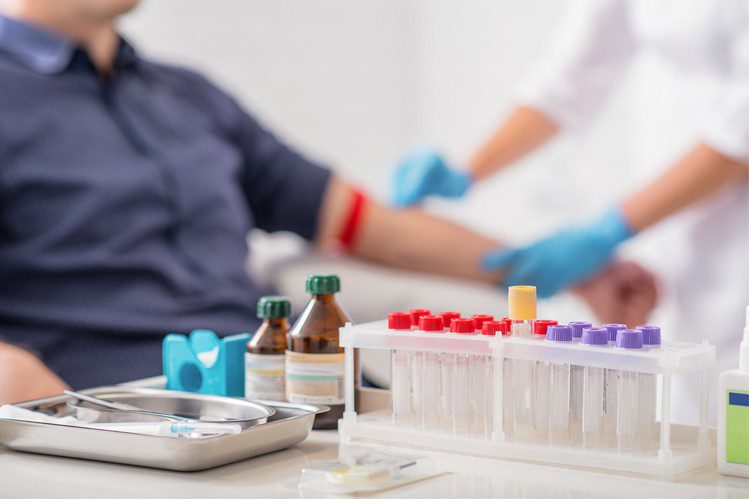
Once you arrive at your GP, you will be sat down with a doctor or nurse who will perform the blood test. By using a needle attached to a syringe, blood will be extracted from one of your arms. Depending on your veins, you may be able to decide which arm you want the blood taken from but your healthcare professional may decide if veins are more easily accessed on one side over the other.
Your arm will be wiped down with an antiseptic wipe or gel and a tourniquet put around the upper arm to encourage veins to swell and make it easier to find a point to insert the needle. A slight pinching or scratching sensation may be felt as the needle is inserted but the process lasts seconds. Once the sample has been taken, the needle and tourniquet will be removed and pressure will be applied to the area to prevent bleeding – a small plaster may also be used.
What Are Common Things to Test For?
There are many different types of conditions and ailments that can be picked up by a blood test and GP’s routinely test for a variety of ailments, some more common than others. Unless your blood is being tested for something specific, the most common tests performed on blood include:
A Basic Metabolic Panel: A BMP checks the levels for eight of the compounds found in the blood, which are glucose, potassium, sodium , chloride, bicarbonate, creatinine, calcium, and blood urea nitrogen. Abnormal results for this test can indicate kidney disease, hormone imbalances, and diabetes. Follow up tests will be performed to confirm a diagnosis.
Coagulation Panel: To measure how well your blood clots, a coagulation panel is performed. Blood clotting is how your body stops bleeding after a wound or cut but one occurring in an artery or vein can cause a heart attack or stroke. Results from a coagulation panel can be used to diagnose liver conditions, thrombosis, leukaemia, haemophilia, and a vitamin K deficiency.
C-reactive Protein Test: C-reactive protein is produced by the liver when tissues in the body are inflamed. Higher levels of CRP can indicate autoimmune diseases, cancer, inflammation caused by physical trauma or habits like smoking or diabetes, and a bacterial or viral infection. Even higher levels can increase the risk of heart disease.
Thyroid Panel: Your thyroid is a small gland in your neck that helps to regulate bodily functions, including your energy level, metabolism, and mood. Abnormal hormone levels found in these tests can indicate low protein levels, thyroid growth disorders, and unusual levels of testosterone or oestrogen.
There are several other tests performed on your blood to determine medical problems or to rule out more common disorders. For example, thyroid issues present similar symptoms to PCOS in women, so a clear thyroid panel can lead to a closer diagnosis by ordering PCOS tests.
How Long to Wait For Results?
Your doctor or nurse will either advise you when to get in contact with your GP, or will inform you of a time they will contact you. Depending on the tests performed, results can take several minutes to several weeks to come back, and being patient during this time is essential. It can feel like a stressful time in limbo waiting for a definitive answer to any issues you may have, and your healthcare provider is aware of this and will make sure you are informed of results as soon as possible.
Still looking for more information? Let Broadgate GP help!
While we have tried to make this guide as helpful as possible, our team at Broadgate GP are on hand to answer any questions or provide guidance regarding blood tests, the process, and what is being tested. We also provide comprehensive blood group testing if this fits your needs. We’re only a phone call away so don’t hesitate! Get in touch with our friendly and experienced team today!

