- Centrally Located: 65 London Wall Near Liverpool Street

- Centrally Located: 65 London Wall Near Liverpool Street
- 020 7638 4330
- doctor@broadgategp.co.uk
Visit our practice in London near Liverpool Street, call 020 7638 4330 or book an appointment online.
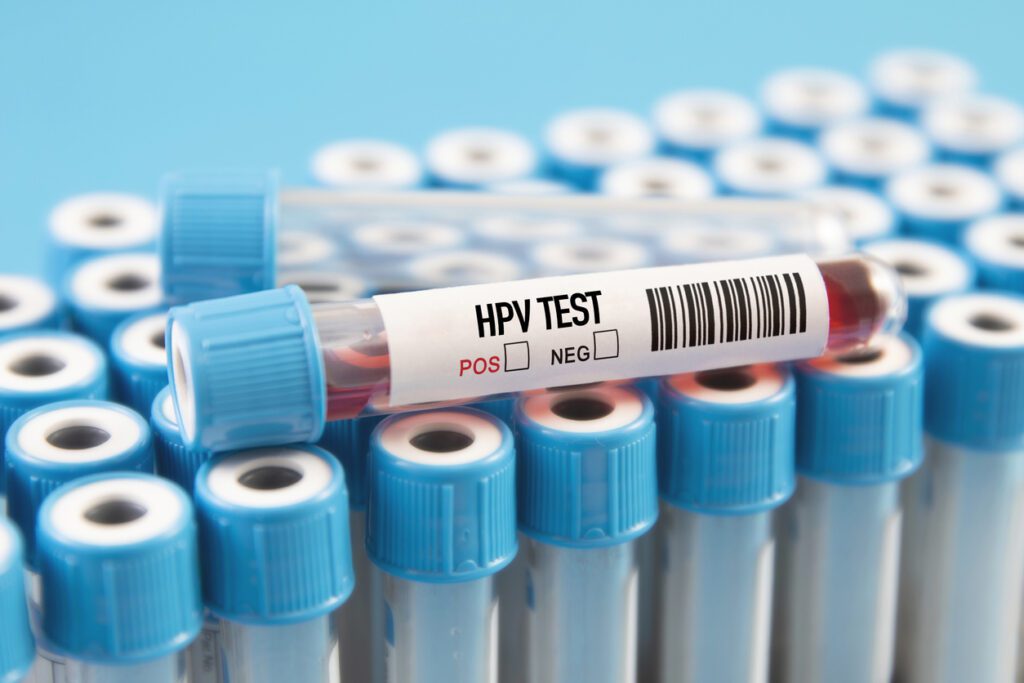
Worried about HPV, genital warts, or a recent sexual health concern? Broadgate GP provides discreet HPV testing and genital warts assessment from our private clinic in Central London, close to Liverpool Street and London Wall.
We understand that sexual health worries can feel stressful, personal and sometimes embarrassing. Our role is to make the next step simple. You can speak to an experienced private GP, discuss your symptoms or concerns in confidence, and get clear advice on testing, results and treatment options.
HPV stands for human papillomavirus, a very common group of viruses that affect the skin and moist areas of the body, including the genital area, mouth, throat, vagina and anus. Most HPV infections do not cause symptoms and may clear naturally through the immune system.
At Broadgate GP, your doctor will explain what type of test may be appropriate, what the test screens for, and what your results may mean. Where needed, HPV testing may be discussed alongside broader sexual health screening.
Book a confidential appointment today or call our Central London clinic to speak to the team.

You may want to consider testing for HPV if you are concerned about exposure, have been advised to check for high-risk HPV, have had a positive HPV test, or want private reassurance outside routine NHS pathways.
Patients often book an appointment because they:
HPV is passed on through close skin-to-skin contact, including sexual activity. This can include vaginal, anal or oral sex, genital skin contact and sharing sex toys. Condoms can reduce risk, but they cannot remove it completely because HPV can affect the surrounding skin not covered by a condom.

Your appointment starts with a confidential conversation. Your GP may ask about symptoms, sexual partners, previous cervical screening, HPV vaccine history, recent test results, and any health conditions that may affect your care.
Depending on your situation, your appointment may include:
If an intimate examination is needed, your doctor will explain what is involved before anything happens. You may be asked to lie on an exam table, and the assessment will be carried out respectfully and discreetly.
An HPV test screens for certain types of the HPV virus. In cervical screening, the focus is usually on high-risk HPV types that can cause changes in cervical cells. If high-risk HPV is found, the sample may also be checked for abnormal cervical cells.
This matters because some cancers linked to HPV, especially cervical cancer, can develop from untreated cell changes over time. Testing helps identify risk earlier, so the right monitoring or referral can be arranged.
An HPV test does not usually diagnose genital warts. Genital warts are commonly diagnosed by looking at the affected skin. That is why a clinical assessment is important if you have visible warts, skin coloured lumps or changes around the genital area.
For cervical screening support, see our private smear test and cervical screening service
Genital warts can look like small, skin coloured, pinkish or slightly darker lumps around the penis, vulva, vagina, anus, or surrounding skin. They may appear as single bumps or clusters and can sometimes look rough or cauliflower-like. They are often painless lumps, but they may itch, bleed or feel uncomfortable. If you notice new lumps or skin changes, book a medical assessment rather than trying to diagnose or treat them yourself.
Yes. Some HPV types can cause genital warts, which are a common sexually transmitted infection. These are usually linked to lower-risk HPV types rather than the high-risk types associated with cervical cancer.
This distinction is important. A person can have HPV without visible warts. A person can also develop genital warts without having symptoms elsewhere. In many cases, the immune system controls the infection over time, but visible warts may still need treatment.
If you are unsure whether a lump, bump or skin change is a wart, a private GP can assess the area and explain the next step.
Although most forms of HPV display no symptoms, it is important to know what the symptoms of HPV are as this can help to receive the correct HPv treatment in London. When symptoms are left untreated, it can lead to serious health conditions such as cervical cancer in women; some of the most common symptoms of HPV include:
Genital Warts
Around the genitals of both men and women
Common Warts
These can appear on the hands
Plantar Warts
hard and grainy, these warts usually appear on the feet
Flat Warts
Slightly raised lesions that are darker than the skin and will appear on the face
There is no single treatment that clears HPV itself, but there are several genital warts treatments that can help remove or manage visible warts.
Your treatment options may include:
The right genital warts treatment depends on where the warts are, how many there are, whether they are causing symptoms, and your overall health. Some warts clear on their own, but many people prefer treatment because they feel uncomfortable, worried or self-conscious.
At Broadgate GP, we can assess your symptoms and advise how best to treat genital warts safely.
This liquid has a toxic effect on genital warts and is commonly used if you have a cluster of warts. Should you require this HPV treatment in London, you will be given an applicator to ensure the correct amount of liquid is applied to the area.
This is a cream which is used on larger genital warts. The treatment cream is applied to the area and must be left for 6-10 hours. After this time, the cream can be washed off, although if you have required Imlqulmod treatment, you may not notice an improvement in the appearance of your genital warts for several weeks.
This treatment destroys the protein found within smaller genital warts.
Genital warts and HPV treatment can include cryotherapy, freezing, and removing the warts using liquid nitrogen. A local anaesthetic will be applied to the area, and a member of our clinical team will use a scalpel to remove warts.
A positive HPV test does not mean you have cancer. It means high-risk HPV has been detected, and you may need monitoring, further checks or follow-up depending on whether abnormal cervical cells are also present.
Most HPV infections clear naturally over time. If your test results show high-risk HPV but no abnormal cells, you may be advised to repeat testing later. If abnormal cells are found, you may need a referral for further assessment.
Your GP will explain your HPV test results in plain English, so you understand what has been found, what it means and what needs to happen next.
For broader STI testing, visit our private STD testing in London page.
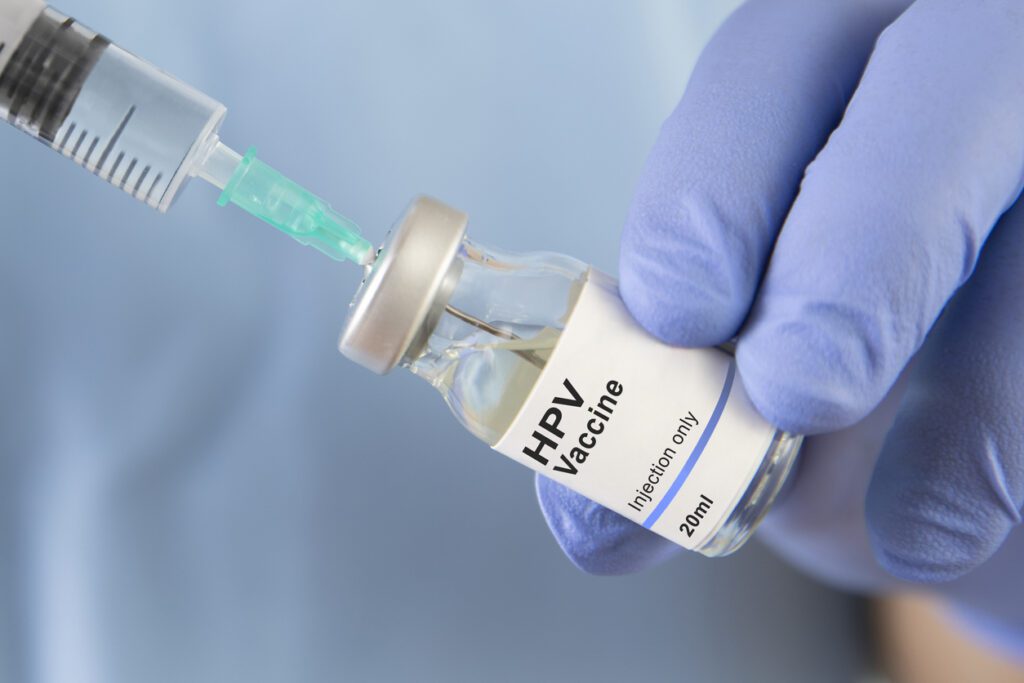
Doctors usually diagnose genital warts by examining the affected area. In most cases, no blood test is needed to diagnose visible warts.
Your GP will look at the size, shape, texture and location of the lumps. They may also ask when the symptoms started, whether they have changed, and whether you have any other sexual health symptoms.
You should avoid using over-the-counter wart treatments designed for hands or feet on the genital area. The skin is more sensitive, and the wrong treatment can cause irritation or damage.
If left untreated, HPV can lead to several more serious health conditions.
While HPV is a common infection, some individuals are more susceptible to the virus and there are several risk factors including:
Amount of Sexual Partners
The more sexual partners you have or have had, you are more likely to contract some form of HPV.
Age
Common forms of HPV will typically affect children, whereas the more serious forms of HPV are more likely to occur in sexually active adults.
Weakened Immune Systems
Anyone with a weakened immune system is at greater risk of contracting the Human Papillomavirus.
Damaged Skin
Areas of the skin that are damaged or broken are more likely to develop warts.
Personal Contact
Touching warts directly or coming into contact with surfaces where infected skin has touched can increase the risk of infection.

If you are searching for hpv testing near me in Central London, Broadgate GP offers private, confidential appointments from our clinic near Liverpool Street and London Wall.
Patients choose Broadgate GP because we offer:
We know that sexual health concerns can feel difficult to talk about. You will be treated with respect, privacy and care at every stage.

If you are worried about HPV, genital warts or a recent sexual health risk, you do not need to wait and worry. Broadgate GP provides private, confidential care from our Central London clinic near Liverpool Street and London Wall.
Book an appointment today for discreet HPV testing advice, genital warts assessment and clear next steps from an experienced private GP.
Call Broadgate GP or book online to arrange your confidential appointment.
Yes. HPV is very common, and many sexually active people will come into contact with it at some point. Most HPV infections do not cause symptoms, which means people may not know they have it.
Not usually. HPV testing mainly checks for high-risk types linked with cervical cell changes. Genital warts are usually diagnosed by clinical examination of visible warts or skin changes.
This depends on the type of test and laboratory processing time. At your appointment, Broadgate GP will explain when your test results are expected and how they will be shared with you.
Yes, you can still book if you are worried. Many people arrange private sexual health appointments for reassurance, especially after unprotected sex, a new partner or an unclear screening result.
Yes, warts can return because treatment removes visible warts but may not remove the HPV infection from the skin. Your GP can explain what to do if symptoms come back.
There is no direct treatment for the human papilloma virus, however there are treatments available for the problems that the virus causes such as genital warts. At Broadgate GP, we offer effective treatments for the problems that HPV causes.
If you're suffering from any type of health problem and you're based in the Central London area, then be sure to book an appointment with a GP.
We are a Private GP, therefore there is a charge for every appointment booked, to be paid on the day. Broadgate GP can only take appointments for patients
AGED 18 AND ABOVE.

Are you looking for a new website? Contact Outrank Today
