

Discovering a sudden red bump, whether on the lip, genitals, or nearby skin, can be worrying. Both herpes and pimples often appear unexpectedly, and at first glance, it can be difficult to know whether it’s something as simple as a spot or something that needs medical attention. Understanding the key differences between herpes and pimples is essential for your peace of mind and your health.
What is Herpes?
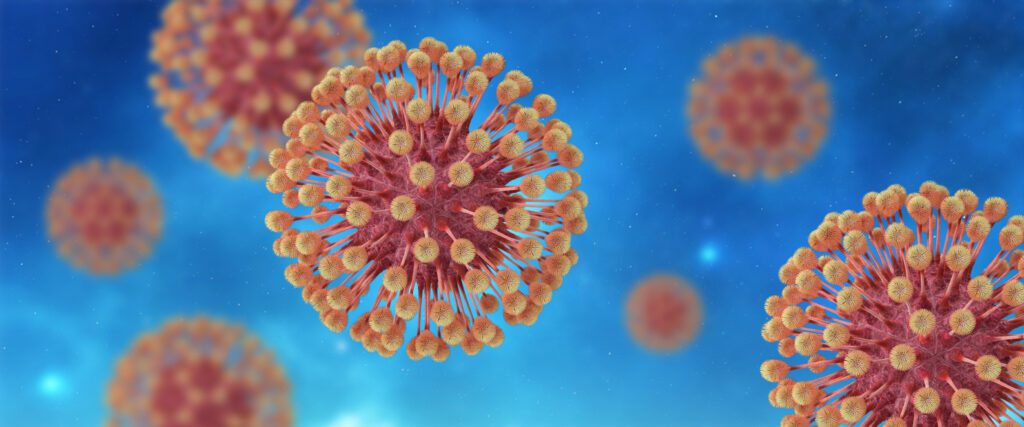
Herpes is a common viral infection caused by the herpes simplex virus (HSV), which is divided into two main types: HSV-1 and HSV-2. It is classed as a sexually transmitted infection and spreads through direct skin-to-skin contact. This includes kissing, oral sex, vaginal sex, and anal sex. Both oral and genital herpes can be passed on, often when symptoms are mild or not noticeable.
Many people infected with the herpes simplex virus show no symptoms, or their symptoms are mistaken for other minor conditions. When present, herpes symptoms typically include clusters of painful, fluid filled blisters, a tingling sensation, burning, or itching. Herpes outbreaks can be accompanied by flu like symptoms such as fatigue or even swollen lymph nodes.
Because the early stages of herpes can look remarkably similar to a pimple or even an ingrown hair, it is particularly easy to confuse them, leading to unnecessary stress and delay in appropriate care.
What’s The Difference Between HSV-1 and HSV-2?
HSV-1 is most often linked to oral herpes, which causes cold sores, painful blisters around the mouth. HSV-2 is more likely to cause genital herpes, resulting in similar blisters or open sores in the genital area.
However, both types of herpes simplex virus can appear in either location through oral sex and close skin contact. For this reason, both genital herpes and oral herpes can show up in unusual areas, and the virus doesn’t always follow predictable patterns.
Why It’s Easy To Confuse Herpes Sores and Pimples
The confusion starts because both pimples and herpes sores can first appear as red bumps and may cause tenderness or mild itching. They can show up quickly on the skin’s surface and cause concern, especially if you haven’t experienced either before. However, over time, their symptoms, appearance, and associated discomfort begin to diverge.
Herpes outbreaks, whether oral or genital, progress rapidly: a tingling sensation or burning may precede clusters of fluid filled blisters, which then burst, forming shallow ulcers before scabbing and healing. Pimples form when hair follicles become blocked with oil, dead skin cells, and bacteria. They often present as single, firm bumps filled with white or yellow pus, and lack the fluid blistering of herpes.
What Does Herpes Look Like?
Herpes sores typically emerge as clusters of small, fluid filled blisters or open, painful ulcers on red or swollen skin. During the initial episode, flu like symptoms are common, such as fatigue, fever, and swollen lymph nodes. Both genital herpes and oral herpes follow a distinctive cycle:
- Initial tingling sensation, itching or burning
- Formation of multiple blisters or grouped bumps
- Blisters burst, releasing clear, infectious herpes discharge
- Open sores or ulcers develop
- Lesions crust over and heal over 2 to 4 weeks
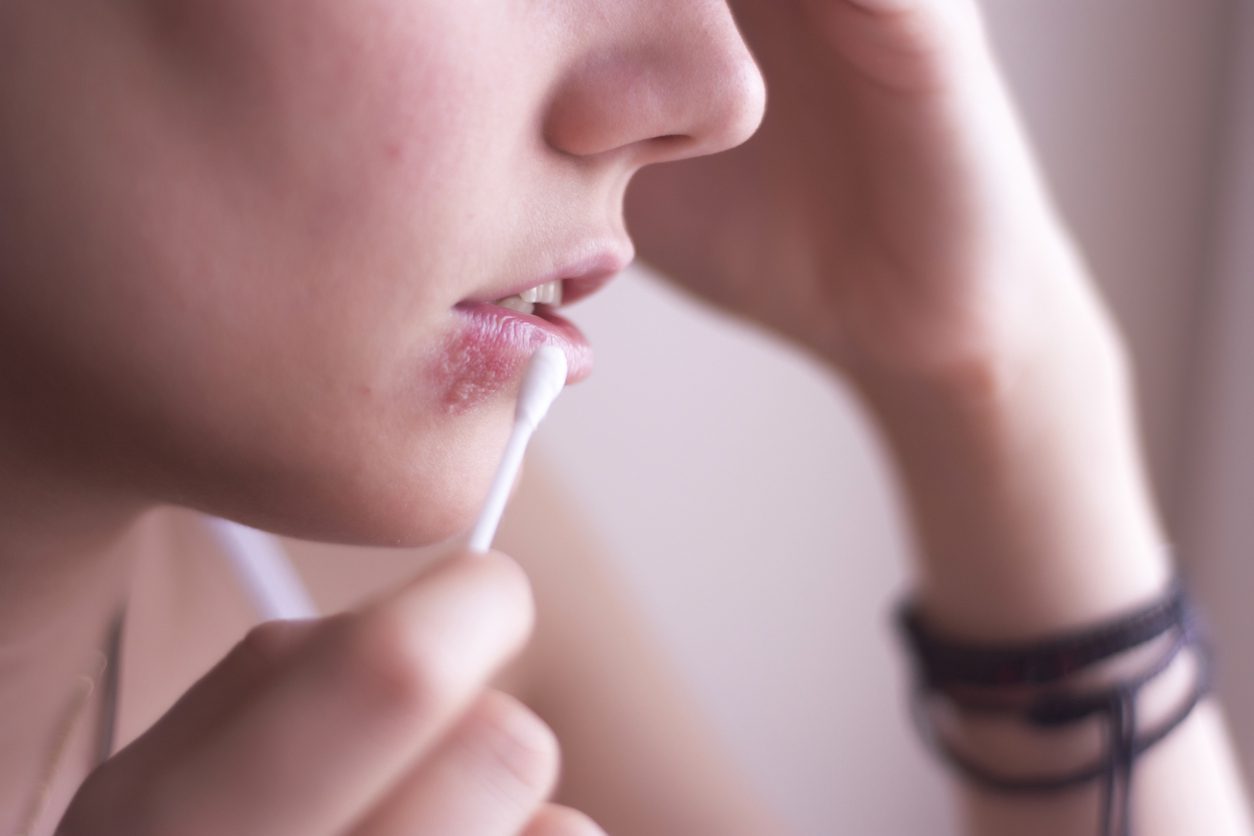
Oral herpes usually appears around the mouth or lips as cold sores. Genital herpes affects the groin, buttocks, thighs, anus, or inner thighs. Genital herpes bumps may be more painful during urination or sexual contact.
During recurrent outbreaks, symptoms are often milder. Some people notice swollen lymph nodes or flu like symptoms, especially during the first outbreak.
What Does a Pimple Look Like?
A pimple is a localised inflammation that occurs when oil glands and hair follicles become clogged by oil and dead skin or debris, allowing bacteria to grow. Pimples typically appear as single, firm red bumps, sometimes with a white or yellow pus-filled centre. They most frequently form on the face, back, chest, buttocks, or shoulders, anywhere with sebaceous glands and hair follicles.
Key features of pimples:
- Usually a single red bump
- Contains pus (white or yellow head)
- Localised tenderness, not burning
- No blistering or ulcer formation
- Heals within 3 to 7 days
Genital pimples and pimples on the lips may occur, particularly after shaving or irritation, and can be easily mistaken for herpes in the early stages.
Herpes or Pimple? Key Differences Explained
Below is a direct comparison to help you tell whether you’re dealing with herpes or a pimple:
| Feature | Herpes | Pimple |
| Cause | Herpes simplex virus, viral infection | Blocked/clogged pores, oil glands, bacteria |
| Appearance | Clusters of fluid filled blisters, then open sores | Single red bump, often with white/yellow pus |
| Sensation | Tingling, burning, frequently painful | Localised tenderness, less severe |
| Progression | Tingling → blisters → ulcers → scabbing | Red bump → pus head → heals |
| Healing Time | 2–4 weeks (may recur) | 3–7 days (rarely recurs in same spot) |
| Other Symptoms | Flu like symptoms, swollen lymph nodes possible | None (unless infected) |
| Contagiousness | Highly contagious (skin to skin contact) | Not contagious |
What Does the Beginning of a Herpes Sore Look Like?
Early herpes sores resemble small red bumps and may look like ordinary spots, especially on or around the mouth or genitals. They are often preceded by a tingling sensation or itch. Within hours to a day, these bumps develop into multiple blisters, filled with clear fluid, and group together. Soon they may break open and become open sores.
Where Do Herpes and Pimples Usually Appear?
Common Herpes Locations
Herpes can affect the mucous membranes and smooth skin. Oral herpes commonly appears around the mouth, lips, and gums. Genital herpes can show up around the penis, vulva, anus, buttocks, and inner thighs, and can affect both men and women.
Common Pimple Locations
Pimples form where hair follicles and sebaceous glands are present. Typical areas for pimples include the face, shoulders, chest, back, buttocks, and occasionally on the genital area or groin as genital pimples, anywhere with oil glands and clogged hair follicles.
How Long Do Herpes and Pimples Last?
The healing process is a helpful clue. A herpes outbreak typically lasts 2 to 4 weeks and follows a cycle in which blisters break open and scab. Sores may return in the same place over time. Pimples usually heal in 3 to 7 days and rarely reappear in exactly the same spot. They resolve as pus dries and the swelling subsides.
Pimples tend to heal on their own without scarring if left alone. Herpes sores can leave more noticeable scabbing and may cause a mild scar, especially if picked at.
Herpes Discharge
Herpes sores can ooze a clear or cloudy discharge, which is infectious. This discharge is distinct from the pus in pimples. For women, this can mix with normal vaginal discharge during an outbreak; men may notice discharge on the penis. Sexual contact during this period can easily spread the virus, so skin to skin contact and sexual activity should be avoided during an outbreak.
Other Conditions That Can Mimic Herpes or Pimples
Other common causes of bumps and sores in the genital area or near the mouth include ingrown hairs, where hair follicles become trapped under the skin and form sore, red bumps that may also fill with white or yellow pus, sometimes with a visible hair at the center. Folliculitis causes infections or irritation of hair follicles, often from shaving, leading to red, painful bumps. Contact dermatitis can be due to allergic reactions or irritation, resulting in red, itchy bumps. Genital warts or molluscum contagiosum are viral infections that produce lumps or bumps. Syphilis chancres are sores from syphilis infection, which differ from herpes. Canker sores are shallow ulcers inside the mouth and are not sexually transmitted or related to the herpes simplex virus. Distinguishing between genital herpes or pimple, herpes bump vs pimple, and herpes vs ingrown hair can be complex. If you have uncertain or recurring symptoms, get checked by a GP or sexual health specialist.
Risk Factors and Triggers
What Triggers a Herpes Flare-Up?
Herpes outbreaks can be triggered by stress, anxiety, or exhaustion, illnesses that weaken the immune system, sun exposure which often affects oral herpes or cold sores, friction or skin irritation such as oral sex or shaving, and hormonal changes like menstruation.
How Are Genital Herpes or Pimples Diagnosed?
Herpes Diagnosis
Genital herpes and oral herpes are diagnosed by a visual examination by a doctor, who looks for fluid filled blisters or grouped sores. A swab test of an active lesion for herpes simplex virus DNA using a PCR test can confirm the diagnosis. In some cases, a blood test for herpes antibodies may be used. Symptoms such as a tingling sensation, grouped blisters, herpes discharge, and flu like symptoms help clinicians tell the difference from a pimple or ingrown hairs. If you need confirmation, you can arrange private STD testing in London at Broadgate GP, including herpes testing with rapid results.
Pimple Diagnosis
Pimples are usually diagnosed visually. If in doubt, a GP may check for other causes such as ingrown hair, folliculitis, or a sexually transmitted infection. Pimples form around hair follicles with evidence of trapped hair or pus.
How to Care for a Suspected Herpes or Pimple
Genital Herpes Care
Avoid touching or scratching the area and pause skin to skin contact, oral sex, and other sexual contact during outbreaks. Gently wash the affected skin with a gentle cleanser and pat dry, then keep sores clean and choose loose clothing to reduce irritation. Your doctor may prescribe antiviral medicine to treat outbreaks, ease symptoms, and reduce the risk of transmission. Cold sore treatment can include antiviral creams for oral herpes.
Pimple Care
Do not squeeze or pick, since that can trigger bacterial infection. Clean the skin with a gentle cleanser and water, then use over-the-counter options such as benzoyl peroxide or salicylic acid. Keep the area dry, avoid heavy creams or oils, and for a pimple on the lip, a lip balm may soothe irritation.
Prevention Tips
Preventing Herpes Outbreaks
Use barrier protection such as condoms or dental dams during sexual activity and avoid oral sex, vaginal sex, or anal sex during outbreaks. Keep stress and other triggers to a minimum. If you have frequent outbreaks, prescribed antiviral treatment can reduce how often and how long they last.
Preventing Pimples
Keep skin clean and dry, choose non-comedogenic skin care and cosmetics in sensitive areas, and cleanse after exercise or sweating to reduce clogged pores. Shave carefully to lower the chance of clogged hair follicles and ingrown hairs. Over-the-counter treatments such as benzoyl peroxide or salicylic acid can also help prevent pimples.
When to Seek Medical Advice
Consult a doctor or visit a sexual health clinic if:
- A sore or spot is painful, persistent, extremely painful, or rapidly worsening
- You develop flu like symptoms, swollen lymph nodes, or fever alongside a skin lesion
- Multiple blisters, ulcers, or discharge appear on the genital area or around the mouth
- You notice symptoms that keep returning in the same area
- There is uncertainty about whether you’re experiencing herpes symptoms or another condition
Getting an accurate diagnosis and appropriate treatment options can prevent complications and relieve worry. You can book a confidential visit to Broadgate GP for fast, expert advice.
Mental Health and Coping
Feeling anxious about possible genital herpes or a pimple is entirely normal. Many people experience stress, embarrassment, or even fear when faced with a new bump or sore, especially in sensitive areas. Remember, you are not alone, and effective support is available, both medical and emotional, for any outcome. For guidance on sensitive conversations, read our practical advice on telling a partner about an STD.
FAQs
How can you tell if a sore is herpes?
A herpes sore starts as a red bump, often tingling or itchy, and evolves quickly into clusters of fluid filled blisters that burst and scab. The process can include flu like symptoms. Pimples tend to remain single, firm, and pus-filled.
What can be mistaken as herpes?
Ingrown hairs, folliculitis, contact dermatitis, genital warts, syphilis chancres, and even canker sores can mimic herpes, especially if they cause red bumps or sores in the genital area.
What does the beginning of a herpes sore look like?
The first sign is often a tingling sensation or mild itch, quickly followed by a red bump and then multiple small blisters that merge or open.
What are 5 signs of herpes?
- Tingling or burning before sores appear
- Clusters of fluid filled blisters
- Painful open sores or ulcers
- Swollen lymph nodes
- Flu like symptoms (fever, fatigue)
How to tell if ingrown hair or herpes?
Ingrown hairs usually form a single, red, swollen bump with a visible hair or white/yellow pus and appear on areas with shaved or coarse hair. Herpes forms grouped blisters, is not linked to a visible hair, and may cause systemic symptoms.
Can ingrown hairs mimic herpes?
Yes. Ingrown hairs can create red, painful, sometimes pus-filled bumps but do not cluster or cause flu like symptoms.
How to know if it’s a pimple or a cold sore on your lip?
A cold sore starts with tingling, then rapidly develops into blisters near the lip edge or mouth corner. A pimple on the lip is usually a firm, pus-filled bump, not a blister, and lacks burning or systemic symptoms.
Can herpes show up as a single bump?
Herpes can initially appear as a single bump but usually progresses to groups of blisters or ulcers within a day or two.
Can herpes be mistaken for a pimple?
In the very early stage, herpes may look like a red bump or spot, but it transforms into blisters quickly whereas pimples do not.
Will herpes go away?
Herpes outbreaks heal over 2–4 weeks but the herpes simplex virus remains in the body and can reactivate. Antiviral medicine can manage outbreaks and reduce recurrence.

