
Endometriosis is a medical condition that affects 1 in 10 women across the globe. Many people believe the condition is characterised simply by heavier periods – when the painful disorder is actually caused by tissue growing outside of the uterus. It is similar to the tissue that builds up inside your uterus during menstruation that thickens and eventually breaks down and bleeds during the cycle. Similarly, the tissue that grows out of the uterus will break down and bleed but, as there’s nowhere for it to exit the body, it becomes trapped and irritates the ovaries and uterus.
Though it is such a common condition, endometriosis has long been misdiagnosed or simply misunderstood and discussed far less than it ought to be by the general public, and medical professionals. Some women face over 7 years of waiting for an official diagnosis. Here at Broadgate GP, our team of committed medical practitioners believes that no one should have to suffer in silence, which is why we have put together this guide to help you identify both the common and uncommon symptoms. For more information, keep reading:
When to See A Doctor
If yourself or a loved one are experiencing any of the below symptoms, you are demonstrating signs indicative of endometriosis and the sooner the condition can be diagnosed, the more likely that management of symptoms will be achieved.
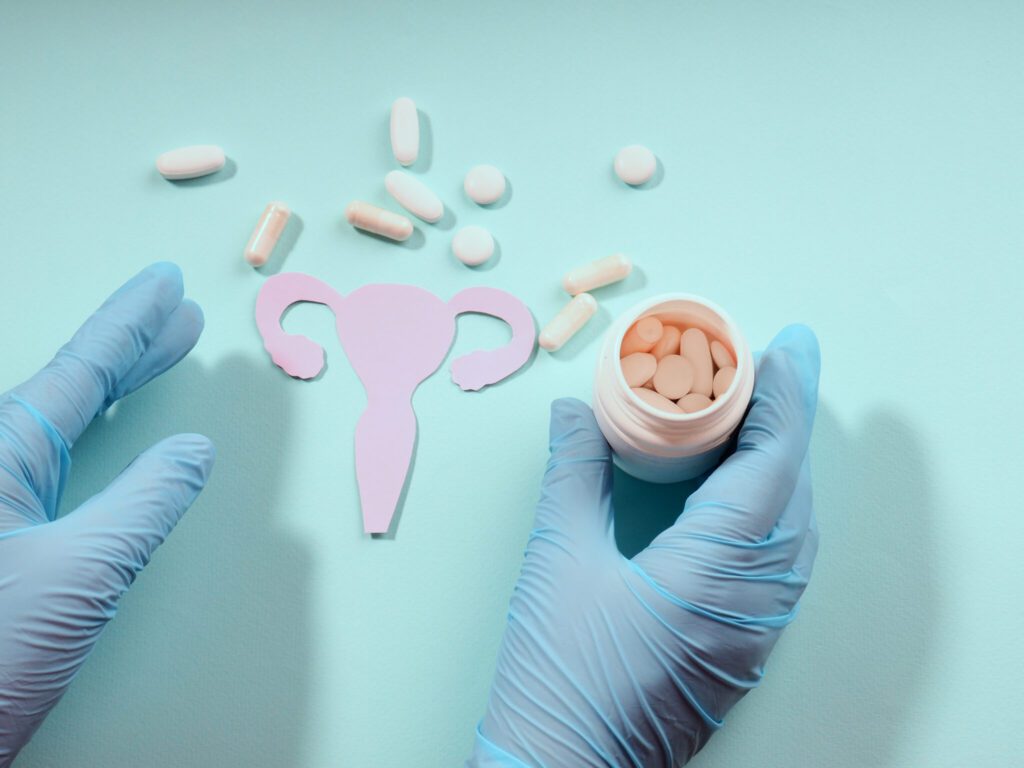
Common Symptoms of Endometriosis
There are many signs a person may be suffering from endometriosis and, unfortunately, a lot of these signs and symptoms are painful and can sometimes make day to day life seem less manageable. The common signs of endometriosis include:
Pain During Intercourse: Pain in the process of, or after intercourse is a common occurrence with endometriosis as penetration can cause the irritated tissue to stretch and pull.
Painful Periods: One of the more well known symptoms, endometriosis can have a big impact on your menstrual cycle, from pain in the lower back and abdomen being more intense than typical cramping sensations. Similarly, a person may experience inter-menstrual bleeding (bleeding between periods) and a larger volume of blood overall.
Painful Bowel Movements: If it hurts when you go to the toilet, this could be a result of endometriosis as the body’s digestive system can make the tissue move, which becomes especially painful during times of excessive bowel movement, such as during your menstrual cycle or illness.
Infertility: Unfortunately, many people do not discover they have endometriosis until they are being examined for fertility related issues. Though it is not fully understood, many medical experts believe initially occurs due to damage to the body’s ovaries and Fallopian tubes.
Other common signs include constipation, diarrhoea, nausea, and bloating and if you have one of these symptoms compared with any of the ones above, it’s time to seek medical advice. However, endometriosis isn’t black and white.
Rare Symptoms of Endometriosis
The less common symptoms of endometriosis are mostly caused by the spread of the tissue to other parts of the body. Luckily, these symptoms are extremely rare but it’s still important to make yourself aware of them, especially if you or a parent have endometriosis.
Thoracic Endometriosis: This condition occurs when endometriosis spreads to the lungs – causing shortness of breath, coughing blood, chest pain and, in extreme cases, a collapsed lung.
Cerebral Endometriosis: Similarly, cerebral endometriosis is what occurs when endometriosis tissue is found in the brain. Not a lot is known about this condition as to date there has only been 3 reported cases.
While some of the more rare conditions can sound frightening, it’s important to remember that they are rare for a reason. They can also be avoided with various treatment options and lifestyle changes.
How to Treat Endometriosis?
There is no cure for endometriosis and a lot of treatment options available aim to slow the growth of endometriosis tissue, relieve pain, prevent the return of the condition, or improve fertility and chances of conceiving. It’s important to consider the goal for treatment – some options may stop you from getting pregnant – so you should discuss with your healthcare professional exactly what outcome you’re hoping to achieve.
For more information – Get in touch with Broadgate GP today!
Our team at Broadgate GP believe that everyone should have some idea of what endometriosis is and how it can impact people who have a uterus and menstrual cycles. If you would like more information or would like to chat to a member of our team, get in touch today! We offer a range of including sexual health services, including HIV testing and chlamydia treatments.

