
If you’re wondering whether STIs can go away on their own, you’re not alone. A lot of people notice symptoms, wait a few days, and hope things will settle without needing to get checked. It can feel easier to ignore it if the discomfort fades or if there were never any obvious symptoms in the first place.
In some cases, symptoms of a sexually transmitted infection can ease off in time, which can make it feel like the problem has gone away. The issue is that most infections don’t work like that.
Symptoms can disappear while the infection is still in the body, so it’s not always obvious what’s actually going on without testing. Over time, you may notice:
- Less discomfort.
- Visual symptoms are fading and clearing.
- Things are returning to normal.
Sadly, most STIs do not go away on their own. Some symptoms can clear naturally, but you can’t rely on this, as an untreated sexually transmitted infection can potentially evolve into wider sexual health issues and be passed on to others. Symptoms can fade even when the infection is still present, so STD testing is the only way to know for sure and to receive the treatment you need.

What Are The Common Symptoms of STIs?
Sexually transmitted infections don’t always cause symptoms, which is why they can go unnoticed for long periods.
When symptoms do appear, common symptoms may include:
- Unusual discharge
- Pain during urination
- Itching or irritation
- Sores, blisters, or rashes
- Pain during sexual activity
There may also be other signs that are less obvious, such as lower abdominal discomfort or changes in your general health.
It’s important to remember that many STIs are highly contagious and can be passed on through skin-to-skin contact, even when symptoms are mild or not visible. This is why relying on symptoms alone can be misleading.
Do STDs Go Away Without Treatment?
When people ask, “do STDs go away?”, they’re usually hoping the body will deal with the infection on its own. That’s not something you should depend on.
Your immune system does play a role in fighting infections. In some cases, the immune system can suppress or even clear certain viruses, such as HPV. However, this doesn’t apply to most sexually transmitted diseases.
In general:
- Bacterial STIs, like chlamydia infections or gonorrhoea, require treatment.
- Viral STIs, like herpes or HIV, stay in the body long-term.
- Some infections may improve temporarily, but remain present.
Even if your immune system reduces symptoms, the infection may still be there. Without proper treatment, it can remain in the body and be passed on to a sexual partner.
How are STIs Spread Through Sexual Activity
Sexully transmitted infections are passed on through different forms of sexual activity, including vaginal sex, oral sex, anal sex and skin-to-skin contact.
You don’t always need full intercourse for an infection to spread. Some STIs are highly contagious and can be transmitted through close physical contact alone.
Risk factors that increase your chances include:
- Having multiple sex partners
- Having new partners
- Not using protection
- Being sexually active without regular testing
Some infections spread more easily than others. Some are highly contagious, while others are less likely to spread without direct exposure. A person’s risk factors can also change depending on the type of sexual activity, the number of sex partners, and whether protection was used.
It is worth remembering that many STIs spread even when no one has visible symptoms. That is why being sexually active often means testing is part of staying on top of your sexual health.
Why Sexually Transmitted Infections Can Disappear, But The Infection Is Still There
Symptoms can disappear and fade over time, which is why some people assume an STI has gone away on its own.
You might notice the pain settling, discharge stopping, and the skin around your sensitive areas returning to normal, so it’s easy to think everything has cleared. In reality, the infection may still be present, and may just not be causing obvious symptoms.
This is why many STIs are picked up during routine testing rather than because of the symptoms. If you’re unsure about your own sexual health after a sexual encounter, it’s important to know when to get tested after sex and speak with a sexual health professional if you’re still unsure.
Which STIs may go away on their own?
A small number of infections can resolve without treatment, but this varies.
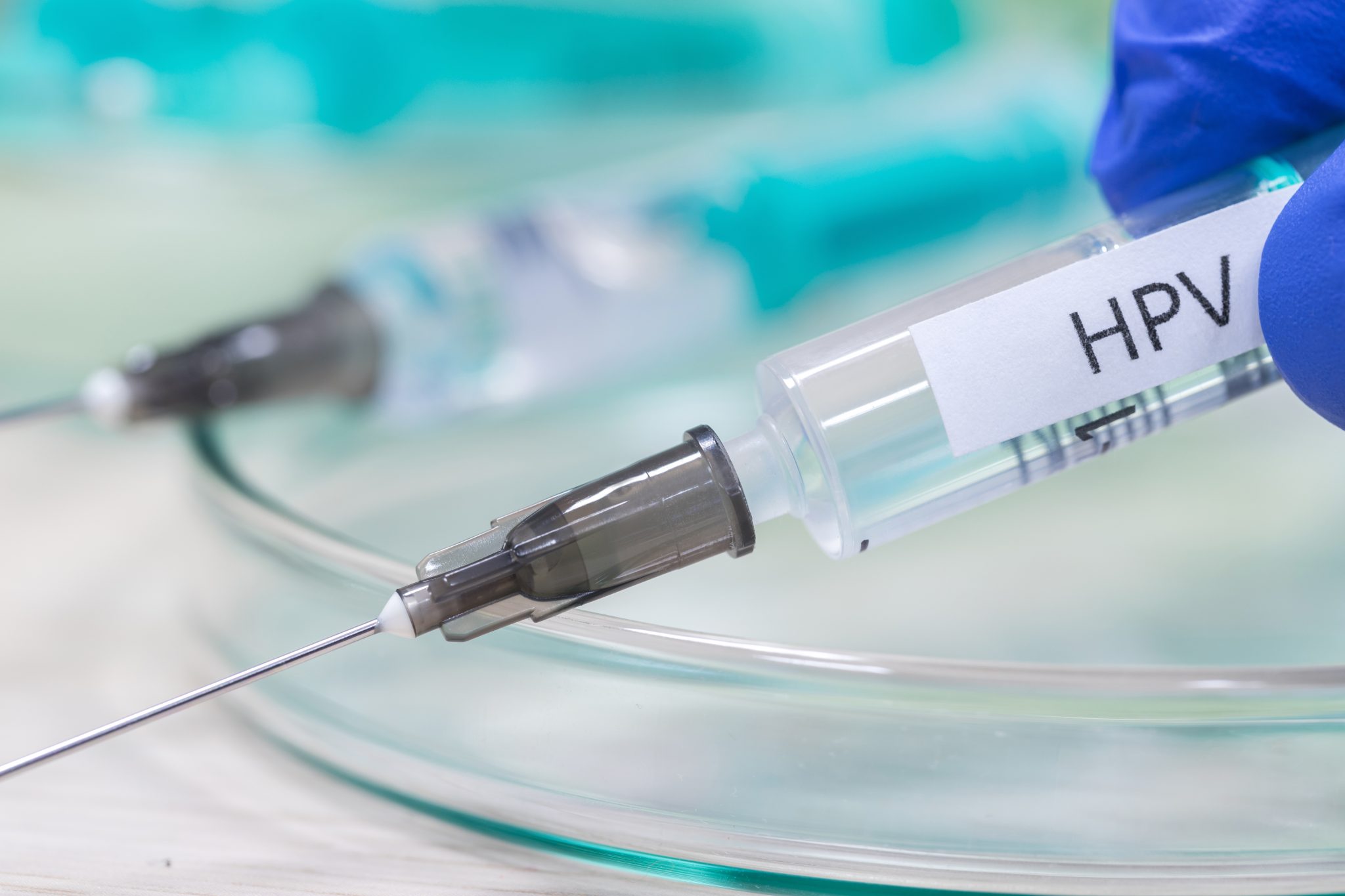
HPV is the main example. In many people, the immune system clears the virus naturally over time. That can take months, and sometimes up to two years. Even then, it is not something you can confirm without appropriate follow-up, and some strains need closer attention because of their link to abnormal cell changes.
This is where people can get the wrong impression. Hearing that one infection may clear naturally does not mean the same is true for many STIs more broadly.
Even when the immune system does manage an infection well, you still need to know what you are dealing with. Some infections improve, return later, or need monitoring even if immediate treatment is not require
Which STIs Do Not Go Away Without Treatment?
Most commonly diagnosed STIs will not go away without treatment. These include:
- Chlamydia
- Gonorrhoea
- Syphilis
- HIV
- Herpes
If left untreated:
- The infection can remain in the body.
- It may be passed on to sex partners.
- It can develop into more serious health problems.
With viral infections such as herpes and HIV, treatment can help control symptoms or reduce viral activity, but the infection itself does not simply disappear. In some cases, this means lifelong treatment or long-term management.
What Happens If An STI Is Left Untreated
Although asymptomatic STIs may appear harmless, some infections are still capable of causing damage to your sexual health over time.
Untreated infections can result in permanent infertility, as well as an increased risk of cancer and HIV infection.
Can untreated STIs affect fertility?
Some STIs can affect fertility without causing obvious symptoms at the time. Infections like chlamydia and gonorrhoea can spread through the reproductive system and lead to long-term damage if they are not treated early.
In women, this can develop into pelvic inflammatory disease (PID), which may block the fallopian tubes and make it harder to get pregnant. In men, untreated infections can affect sperm quality and overall reproductive health.
The difficulty is that this can happen quietly. Many people don’t realise anything is wrong until they start trying for a child.
If you’re sexually active and have had unprotected sexual contact, having an STI test is the simplest way to check everything is clear before it leads to serious harm.
Does having an STI increase the risk of HIV?
Yes, having an untreated STI can increase the risk of HIV transmission.
Some infections cause inflammation or small breaks in the skin, making it easier for the virus to enter the body during sexual contact. This means that if either you or your sexual partner has an untreated STI, the risk is higher, even if symptoms seem mild.
This often catches people off guard. You might not feel unwell, but the risk can still be there.
If you’re sexually active, regular testing helps reduce the chance of more serious health problems developing. If you’re unsure, you can arrange an STI test for a clear answer.
Can some STIs lead to cancer over time?
Some STIs, particularly certain types of HPV (human papillomavirus), are linked to an increased risk of cancer if they are not monitored.
These can include:
- Cervical cancer
- Throat cancer
- Anal and genital cancers
HPV often doesn’t cause noticeable symptoms, which means it can go undetected without routine checks. In many cases, the body clears the virus naturally — but not always.
If it persists, it can lead to changes in cells over time.
If you are sexually active, regular screening and an STI test can help pick this up early. This reduces the risk of long-term complications and avoids more serious harm later on.
When Should You Get Tested For A Sexually Transmitted Disease?
If you’re asking whether an STI will go away on its own, it’s usually a sign that testing is worth considering.
You should speak with a sexual health clinic and get tested if:
- You’ve had unprotected sex.
- You have new or unusual symptoms.
- A partner has tested positive.
- You want peace of mind.
Testing is the only reliable way to confirm if an infection is present, know if it has cleared up and get you the treatment you need.
Where to get tested quickly and privately
In most cases, sexually transmitted infections do not go away on their own, and you can’t rely on symptoms to tell you what’s happening.
If you’re unsure, getting tested gives you clear answers instead of guessing. If you’d prefer a straightforward answer without long waiting times, private testing can make things easier.
At Broadgate, you can access same-day appointments, fast results and discreet, confidential care. If you need help, contact us today for peace of mind.

