
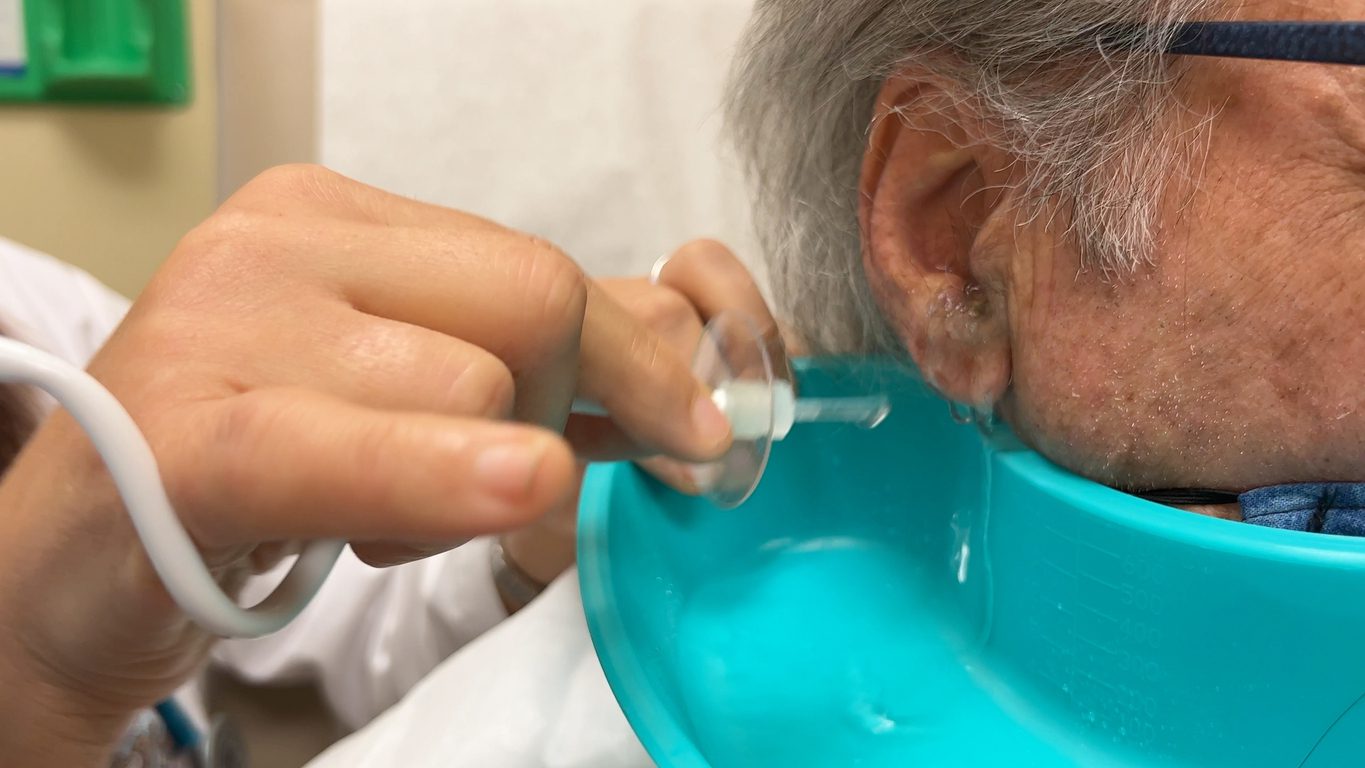
The short answer is that both ear irrigation and microsuction are effective ways to remove ear wax, and the safer or better option depends on your ears, the type of wax and any relevant ear history. Irrigation uses body-temperature water to flush softened wax from the canal. Microsuction is a dry technique that removes wax under direct vision using a fine suction device. Many patients can use either, although certain situations clearly favour one method over the other.
If your ear canal and eardrum are healthy, the wax is soft or has been softened with drops, and you have no recent ear infection or history of eardrum perforation, modern ear irrigation is often a quick and comfortable way to clear a blockage. If you have a known or suspected eardrum perforation, a history of ear surgery, active outer-ear infection, a mastoid cavity, grommets, very hard or impacted wax, or a very narrow or sensitive ear canal, microsuction is generally preferred because it is dry and carried out under direct vision. A GP or trained clinician will examine your ears first, then recommend the best option for you.
Earwax Basics and Symptoms of Blockage
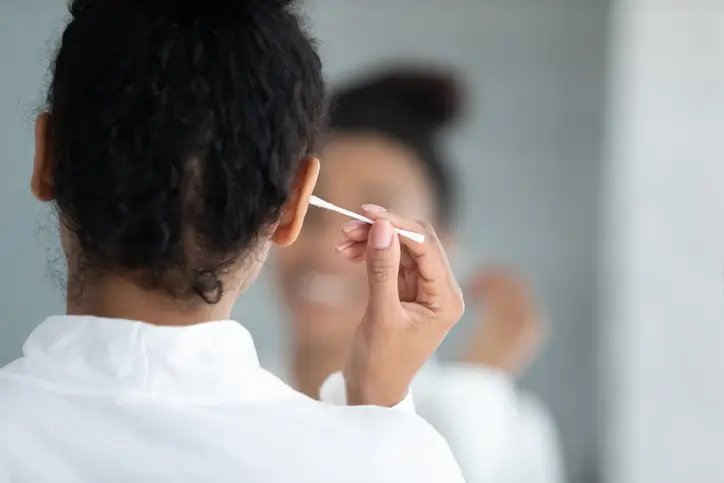
Ear wax, or cerumen, protects the ear canal. It traps dust and debris, repels water and helps prevent infection. Most of the time it migrates out of the ear naturally. Problems arise when wax accumulates or becomes impacted. Typical symptoms include a blocked feeling, reduced hearing, tinnitus, itchiness, pressure, occasional dizziness and sometimes pain. Cotton buds, in-ear headphones and earplugs can push wax deeper, which makes a blockage more likely.
The Benefits & Limitations
Irrigation and microsuction differ in how they remove wax and in the situations they suit best. Understanding what happens in the chair, along with the practical upsides and limits of each approach, helps you choose confidently.
Irrigation
After an otoscopic check confirms it is suitable, a clinician uses a regulated electronic irrigator to deliver warm water into the ear canal in short, controlled pulses. The water circulates around the canal to loosen and float away softened wax, which drains into a catch-cup. Softening drops, typically olive oil for 2 to 3 days beforehand, make irrigation faster and more comfortable. The clinician monitors the return flow and pauses as needed. Most clearances are completed in one sitting.
The Benefits:
The sensation is familiar and often comfortable, many people describe it like a warm shower in the ear. It can clear larger amounts of soft wax quickly once prepared with drops. The method rinses out fine debris and loose skin along with wax. For suitable ears, it is an efficient, widely available option.
Limitations & Risks:
Because it introduces water, irrigation is avoided if you have a perforated eardrum, grommets, a mastoid cavity, a history of certain ear surgeries or an active outer-ear infection. It can occasionally cause transient dizziness as the water enters, and rarely can irritate the canal skin or trigger otitis externa. Very hard, dry or deeply impacted plugs may not dislodge fully with flow alone and can need further softening or another technique. Trained clinicians use controlled pressure and screening to keep risks low.
Microsuction
The clinician views the ear canal through a microscope or high-magnification scope with a bright light. A fine suction probe then lifts and removes wax under continuous direct vision, working in small, controlled movements. Because it is a dry technique, there is no water exposure. For very hard plugs, a few drops of softener may still be advised just before or between passes to reduce friction and improve comfort.
The Benefits:
Direct vision allows precise, targeted removal and immediate assessment of progress. It is suitable where water is inappropriate, such as with a known or suspected perforation, grommets, selected post-surgical ears or when there is active otitis externa. It copes well with hard, sticky or impacted wax and with narrow ear canals where water would not circulate effectively. The lack of moisture reduces post-procedure wetness and can reduce infection risk in the right context.
Limitations & Risks:
The main sensation is audible suction and gentle air movement, which some find loud or unusual, although it is brief. Very irritated canal skin can feel tender with any method. Temporary dizziness, a short-lived increase in tinnitus or superficial canal abrasion are possible but uncommon when performed by trained clinicians. Extremely hard, adherent plugs may still benefit from brief softening and, on occasion, a second short visit.
Effectiveness & Which to Select
For recently formed or soft wax, both methods work well. Irrigation often clears a prepared soft plug rapidly, while microsuction covers almost all consistencies, including crusted or impacted wax. The choice is guided by ear health, wax type and your history rather than a universal rule. A clinician who offers both can switch during the same appointment if needed to complete the job safely.
Comfort, Preparation and Aftercare
Irrigation brings a sense of warmth and gentle pressure changes as water pulses in and wax flows out. Most people tolerate it well, especially after softening. Microsuction is typically quick. You will hear the suction and may feel a cool airflow from the probe. If the skin is inflamed, either method can feel sensitive, so careful examination and pacing matter. Sitting still helps your clinician work efficiently and safely.
Preparing with drops: Unless your clinician advises otherwise, olive-oil ear drops for 2 to 3 days before your appointment help soften wax so it comes away more easily, whatever technique is used. Lie on your side for a few minutes after instilling drops so they reach the plug. If you have a known or suspected perforation or have had ear surgery, wait for a clinical assessment before using any drops. Avoid home syringing devices, which may not control pressure or temperature and do not include an ear examination.
What to expect in a clinic: Your clinician will take a brief history, examine both ears with an otoscope or video otoscope, and explain the findings. If irrigation is suitable, warm water is delivered in short pulses while the return flow is monitored. If microsuction is chosen, the clinician removes wax step by step under magnification. Many appointments take 10 to 20 minutes for both ears, depending on wax amount and consistency. If you would like a doctor-led service that offers modern irrigation alongside other techniques, learn more on Broadgate GP’s service page for ear syringing and ear wax removal in London at our Central London clinic near Liverpool Street: ear syringing and ear wax removal in London.
Aftercare and preventing future build-up: Once the wax is cleared, hearing should feel more open and comfortable. Keep the ear dry for the rest of the day and avoid swimming for 24 to 48 hours. If the canal skin is dry or itchy, your clinician may suggest a short course of suitable drops.
- Keep cotton buds and hairpins out of the ear canal, they push wax deeper and irritate the skin.
- Use olive-oil drops once or twice a week if you are prone to build-up, unless you have a perforation.
- Dry your ears gently after showering by tipping your head and using a soft towel, avoid inserting tissues.
- Manage earphone and earplug use sensibly, and clean devices that touch the ear.
- Seek reassessment if symptoms return or if you notice pain, discharge or persistent hearing change.
Manual Removal & Other Options
Manual removal uses tiny instruments such as a Jobson Horne probe under direct vision to lift or tease wax from the canal. It is especially useful for small amounts of wax near the entrance to the ear or for finishing touches after irrigation or microsuction. Some patients have very little wax but a lot of itchy debris or flaky skin, which can also be gently cleared manually or with suction.
Ear candling is not recommended by healthcare professionals. It does not remove wax and can cause burns or ear injury. Over-the-counter home syringing kits can be tempting, but they may not control pressure or temperature reliably, and there is no examination to check for contraindications. A clinical assessment protects your ears and increases the chance of a smooth, one-visit result.
Choosing with a Clinician
There is no single best ear wax removal method for every person. The best choice depends on your ear canal, your eardrum, the type of wax and your medical history. Many patients do well with irrigation once the wax is softened. Others are better served by microsuction or a combination of suction and gentle instrumentation. A clinician who offers more than one technique can select the right approach for each ear and switch if needed.
Broadgate GP provides doctor-led assessment and treatment in Central London. If you would like to understand how modern irrigation is carried out in clinic, see our ear syringing and ear wax removal service page, which explains the process at our City of London practice.
When to Seek Medical Help Quickly
If you develop severe ear pain, sudden hearing loss, persistent spinning vertigo, discharge with fever, facial weakness, or you suspect a foreign body in the ear, seek urgent medical attention. These symptoms suggest conditions that need prompt assessment and may not be related to simple wax build-up.
The Next Steps
If you are unsure which method is right for you, arrange an appointment with a GP or trained ear care clinician. A short assessment usually gives a clear answer and allows safe, effective removal in the same visit where appropriate. Broadgate GP’s Central London clinic near Liverpool Street offers fast access to experienced doctors who can examine your ears, discuss options and carry out suitable treatment where clinically appropriate. You can also contact our clinic if you would like to discuss symptoms before booking.
Frequently Asked Questions
Is microsuction safer than irrigation?
Both are safe in trained hands. Microsuction avoids water exposure and is performed under continuous direct vision, so it is often preferred if you have a perforated eardrum, grommets, a history of ear surgery or active outer-ear infection.
Can I have ear irrigation with a perforated eardrum?
No. Irrigation introduces water into the ear canal and is avoided if a perforation or grommet is present. Microsuction is usually the better option in this situation because it is a dry technique.
Do I need to use ear drops before my appointment?
Softening drops, such as olive oil for 2 to 3 days, help most people by making removal quicker and more comfortable. If you have a known or suspected perforation or previous ear surgery, wait for clinical assessment before using any drops.
How long does ear wax removal take in clinic?
Most appointments take around 10 to 20 minutes for both ears, depending on wax amount and consistency. Very hard or longstanding plugs may need extra softening or a second visit.
Is ear syringing the same as irrigation?
Ear syringing is the older term. Modern ear irrigation uses a regulated electronic irrigator with controlled pressure and warm water. It is different from microsuction, which is dry and uses a fine suction probe under magnification.

