
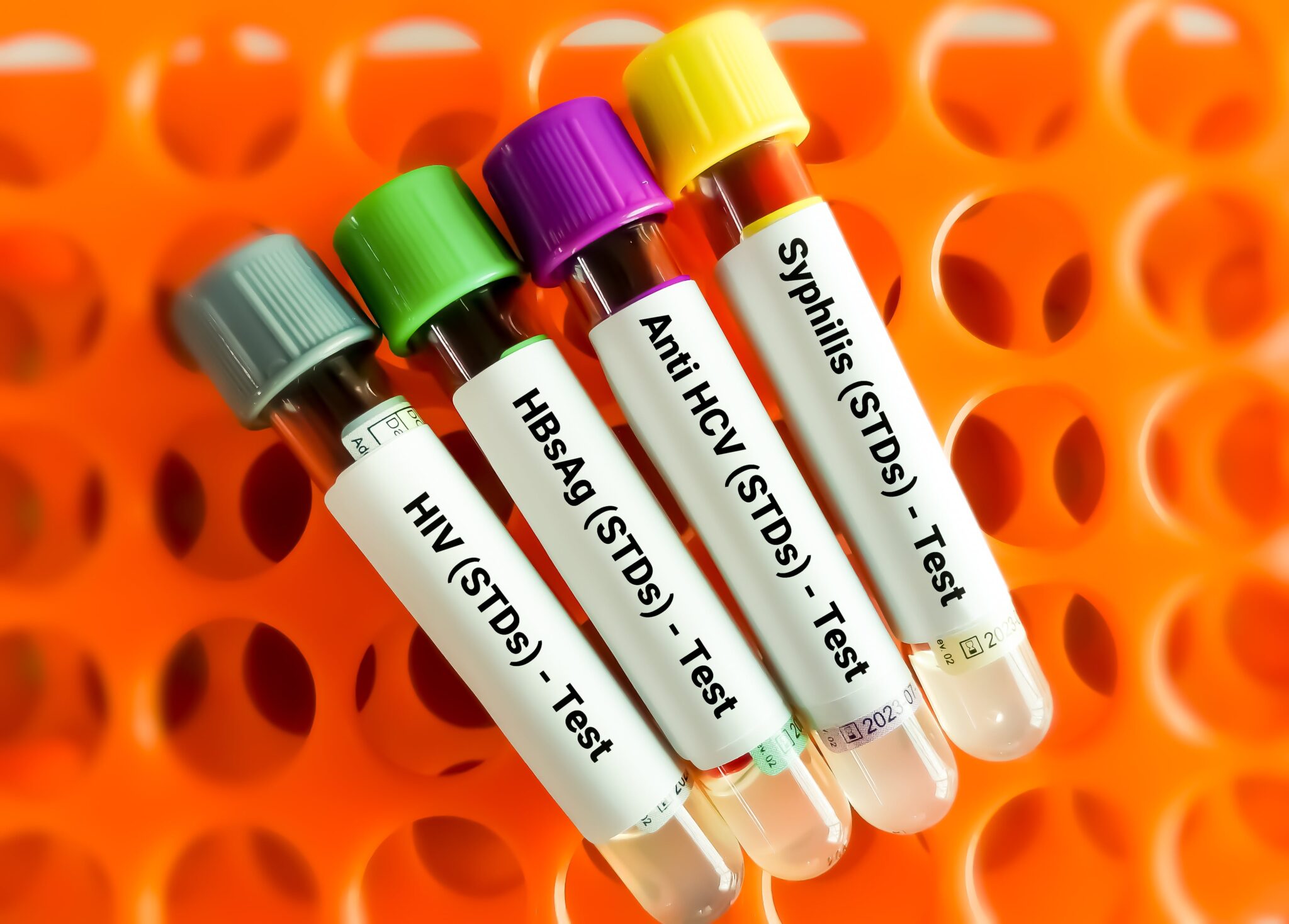
Sexually transmitted infections (STIs) are infections that are spread through sexual contact. They can be caused by bacteria, viruses, or parasites and can have serious health consequences if left untreated. STIs are very common, with millions of new cases reported each year in the United Kingdom alone. Getting tested regularly is an important part of maintaining your sexual health.
Here at Broadgate GP, we are professional private doctors based in London who provide a range of STI testing services. In this blog post, we will discuss how often you should get tested for STIs, when symptoms appear in women and men, and who is most vulnerable to these infections.
How Often Should I Get Tested?
The frequency with which you should get tested for STIs depends on a number of factors, including your sexual history, the number of sexual partners you have, and the types of sexual activities you engage in. As a general rule, experts recommend getting tested at least once a year if you are sexually active, even if you do not have any symptoms. However, if you believe you have come into contact with an STI, you can get a test within the first couple of weeks, and it is especially important to seek treatment as soon as possible if you think you may have contracted HIV.

If you have multiple sexual partners or engage in high-risk sexual behaviours, such as unprotected sex or sex with partners whose sexual history you are unsure of, you should consider getting tested more frequently. Some experts recommend getting tested every three to six months under these circumstances.
It’s also important to get tested if you have symptoms that could be related to an STI, such as genital itching, discharge, or sores. In some cases, STIs can be asymptomatic, meaning you may not have any noticeable symptoms. In these cases, getting tested regularly is the best way to detect and treat STIs early on.
When Do Symptoms Appear in Women?
Symptoms of STIs in women can vary depending on the type of infection. In some cases, there may be no symptoms at all. However, some common symptoms of STIs in women include:
- Vaginal itching or burning
- Abnormal vaginal discharge
- Pain or discomfort during sex
- Pain or discomfort during urination
- Genital sores or warts
- Lower abdominal pain

It’s important to note that some STIs, such as chlamydia and gonorrhoea, may not cause any noticeable symptoms in women. This is why it’s important to get tested regularly if you are sexually active, even if you don’t have any symptoms. For more information about women’s sexual health, check out either of our blogs on The Impact of STDs on Women or Sexual Health Advice for Women now!
When Do Symptoms Appear in Men?
Like women, the symptoms of STIs in men can vary depending on the type of infection. Some common symptoms of STIs in men include:
- Pain or burning during urination
- Discharge from the penis
- Sores or blisters on the genitals or anus
- Itching or irritation around the genitals or anus
- Swelling or tenderness in the testicles
As with women, some STIs may not cause any noticeable symptoms in men. This is why regular testing is important, even if you don’t have any symptoms. Chlamydia is a common affliction for both sexes, but our team at Broadgate GP have a handy blog for discussing the symptoms and effects of chlamydia in men if you wish to know more!
Other Vulnerable Populations
While anyone who is sexually active is at risk of contracting an STI, some populations are more vulnerable than others. These include:
- Young people: People aged 15-24 account for half of all new STI infections each year.
- Men who have sex with men: Men who have sex with men are at higher risk of contracting STIs than other populations.
- People with multiple sexual partners: Having multiple sexual partners increases your risk of contracting an STI.
- People who use drugs: Drug use can lead to risky sexual behaviour and an increased risk of contracting STIs.
- Pregnant women: Some STIs can be passed from mother to child during childbirth, which can lead to serious health problems for the baby. If you have an STI and have recently discovered you are pregnant, we can give you some advice – check out our blog on HIV and pregnancy.
It’s important for these populations to get tested regularly for STIs to protect their health and the health of their sexual partners.
Contact Broadgate GP for more information
If you would like to know more, or to arrange an appointment with our expert medical team, please do not hesitate to reach out to us today! We’re based in London but cater to the wider area, so don’t delay!

