
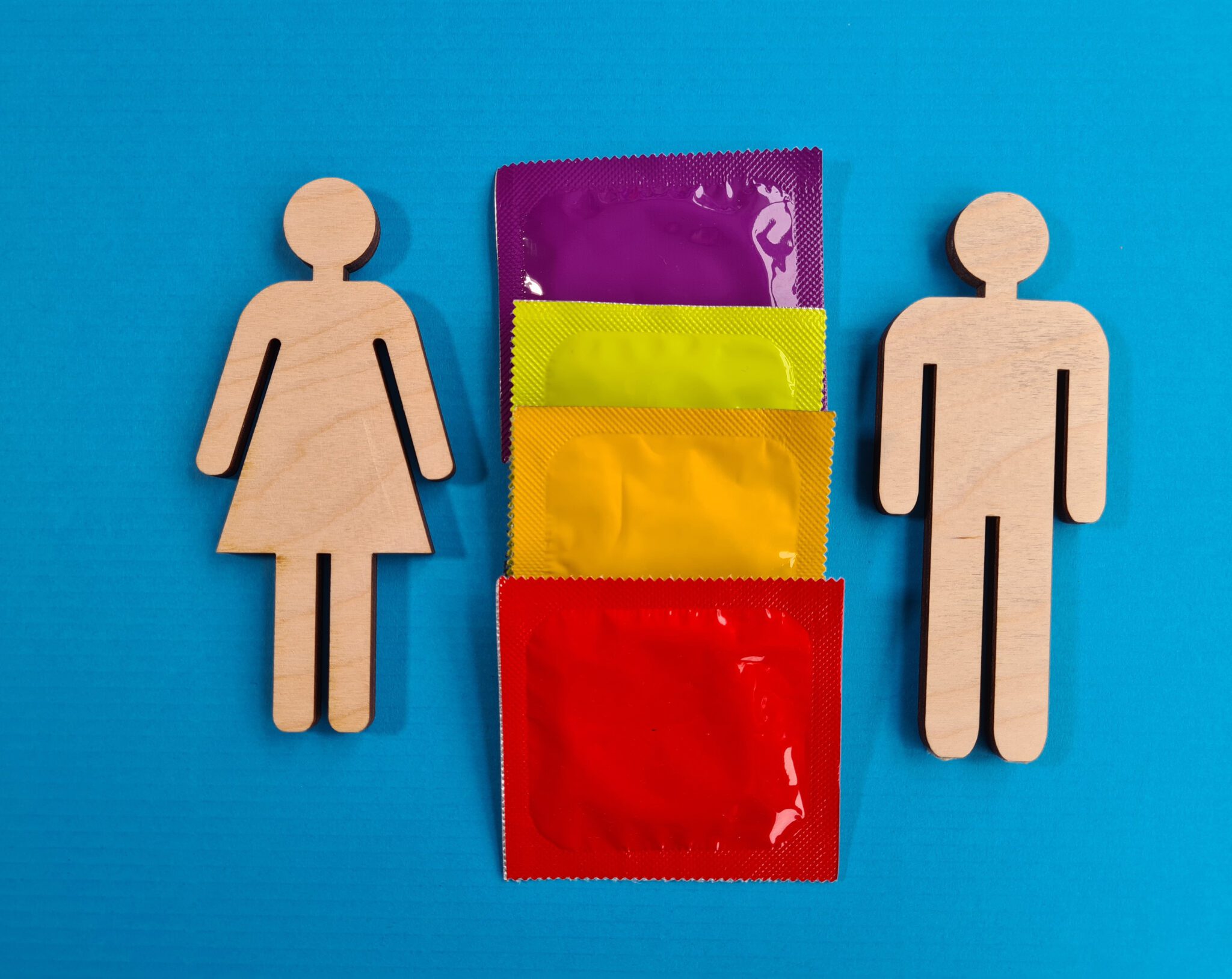
Both men and women who are sexually active are at risk of contracting a sexually transmitted disease (STD) which can often be more than just a nuisance. If left untreated, STDs can have a negative impact on your body and overall health. However, STDs affect men and women in different ways and, due to differences in anatomy, they can end up affecting women a lot more than men.
Here at Broadgate GP, our friendly team are experts at providing outstanding sexual health services to our patients, including STD testing and pregnancy testing. Over the years, we have seen just how differently women can be affected by common STDs compared to men, and for the safety of everyone, we believe everyone should understand these differences. Keep reading to learn about how gender impacts STDs.
What is an STD?
An STD is a disease or infection that can be transmitted via sexual contact or intercourse. The most common STD is chlamydia, which made up over 50% of STD cases recorded in 2020. Millions of new infections occur every year and pass from one person to another through oral, vaginal, and anal sex, though it is possible to have an STD without sexual contact. HIV and Herpes can be spread through blood – which is why blood tests are run on donations and before being used on somebody else.

STDs Affect on Women
There are many reasons why STDs have a different impact on women, partially due to differences in anatomy, and partially due to womens overall health. Some of the ways STDs affect women differently include:
Less Likely to Show Symptoms
Some of the most common STDs are chlamydia, gonorrhoea, and herpes. While herpes is heavily associated with outbreaks of sores, this doesn’t always happen. Women are much more likely to have minimal to no signs of the herpes strain if she contracts it. More worrying, chlamydia and gonorrhoea can lead to infertility if left untreated.
Symptoms Similar to Something Else
Women are much more prone to contracting a UTI like thrush or bacterial vaginosis (both of which can increase the risk of contracting an STD) which have symptoms that are very similar to chlamydia or gonorrhoea. For example, a change in discharge could be attributed to thrush while pain or difficulty urinating is a clear indication of a UTI, so women may go longer without being treated as UTIs and thrush are highly easy to contract.
HPV Can Develop into Cancer
Human papillomavirus (HPV) is one of the most common STDs in the UK and, while school-aged teenagers are offered a vaccine to help prevent transmission, it’s still easily spread. Both men and women can get the condition but most men will not develop a serious health condition because of the virus. However, women are highly at risk of developing cervical cancer as a result of the virus. This is why regular smear checks are recommended to ensure the HPV doesn’t develop into something worse – and if it does, treatment can be received quickly.
Infection Can be Passed onto Unborn Babies
HIV, herpes, syphilis, and chlamydia are just a few STDs that can be passed on from mother to baby during pregnancy. These can pose a serious risk to the unborn baby that could lead to complications such as stillbirth, brain damage, disabilities, and more. Similarly, STDs can wreak havoc on a woman’s reproductive system that could cause infertility (just as it can in men) and an increase in the risk of ectopic pregnancies. Reproductive repercussions caused by STDs are less common in men, though some STDs can also trigger infertility in men.

How Can I Stay Safe?
It can be worrisome knowing that if you or your partner contracts an STD you may not show symptoms. While regular STD testing may not be a pleasant thought, if you’re sexually active having these tests done multiple times a year can help you keep track of your sexual health.
Some STDs like HIV and HPV are lifelong conditions, but managing them early is essential to living a full and healthy life. Additionally, conditions like chlamydia and gonorrhoea can be cleared up with prescription medication, so the sooner you get tested, the sooner you can be free of any STDs.
Want to know more? Get in touch with Broadgate GP today!
If you have any questions or queries regarding STDs, how you can prevent transmission, or to book a test, get in touch with our friendly team at Broadgate GP today! We’re on hand to offer advice and guidance for dealing with this delicate topic, so don’t delay! We’re only a phone call away and can’t wait to hear from you.

