
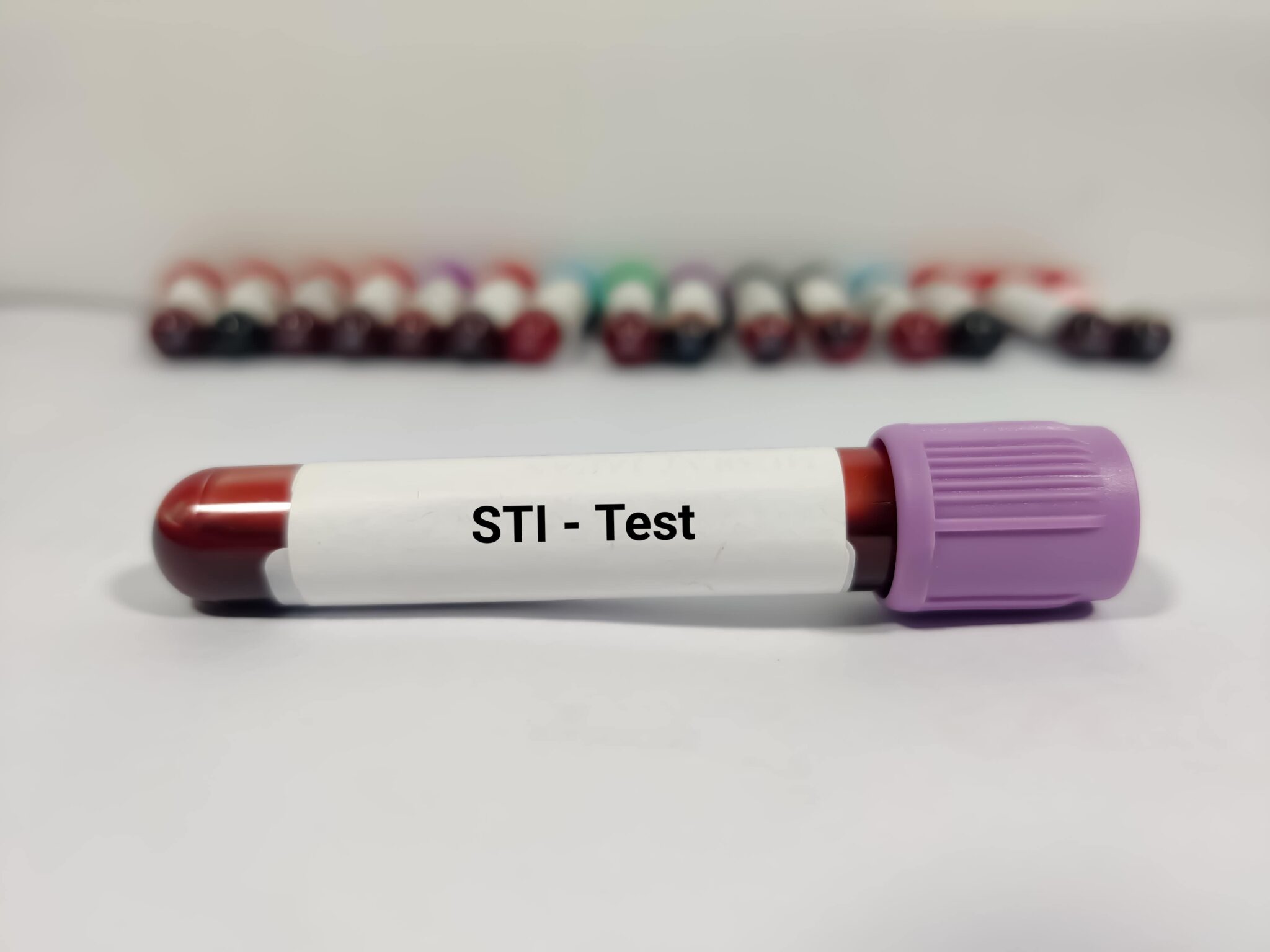
If you’re sexually active, whether you engage in safe sex or stick with regular partners, there’s a risk of contracting STDs. In this guide, we at Broadgate GP discuss how long you should wait to get tested, which STDs you should check for, and the groups most susceptible to these infections.

So, When Should You Get Tested?
The detection of most STDs is not immediate post-sex; for infections like chlamydia and gonorrhoea, waiting at least 14 days before testing is advisable. On the other hand, for STDs such as HIV, syphilis, hepatitis B, and hepatitis C, a minimum wait period of 28 days is recommended.
Continue reading to gain insights into the risk factors associated with STDs, the optimal testing time, and the suggested testing frequency.
What’s the Appropriate Waiting Period?
Certain STDs are not instantly detectable after sexual encounters. Therefore, you should allow for a suitable wait time before testing; typically, STD tests prove accurate about 14 days after sexual contact. Infections like chlamydia and gonorrhoea can normally be identified two weeks following exposure.
Some STDs require a longer waiting period before they’re detectable. For instance, it’s recommended to wait at least 28 days after your most recent sexual activity before getting an HIV test.
Below is a list of various STIs with more details regarding the suggested wait time and testing method:
- Chlamydia: 14 days – urine or swab test
- Gonorrhoea: 14 days – urine or swab test
- HIV: 2-4 weeks – blood test
- Syphilis: 14 days – blood test
- Genital Herpes: 14 days – blood, urine or swab test
- Hepatitis B: 28 days – blood test
- Hepatitis C: 28 days – blood test
How Often Should You Be Tested for STDs?
If you frequently change sexual partners, it’s advisable to undertake a complete STD screening after each new partner. Not only does this promote peace of mind, but it also aids in preventing the spread of STDs if you happen to be a carrier.
Moreover, if you switch partners regularly, it’s a good practice to get tested every 3-6 months. It’s worth noting that some groups are more prone to STDs than others and should therefore test more frequently.
Some STDs can spread through skin-to-skin contact, suggesting that even if you’re not sexually active, you should aim for a full STD screening at least once a year.
Who Is More Likely to Contract an STD?
Certain groups may have a higher likelihood of contracting an STD. High-risk groups include:
- Homosexual Men: Men who engage in sex with other men are at an increased risk of contracting STDs like syphilis, owing to the high percentage of gay men who carry the infection. For instance 2014, over 80% of syphilis cases were reported among gay and bisexual men.
- Sex Workers: The risk of catching an STD rises with the number of sexual contacts. Sometimes, clients engage with more than one sex worker, which can rapidly spread any STDs.
- People Below 25: Biologically, younger individuals, especially women, are more susceptible to STDs. Young people are also less likely to undergo regular testing and often hesitate to discuss their sexual health status.
- Drug Users: Drug consumption can affect decision-making processes, potentially leading to risky sexual behaviours. There’s also a risk of transmitting blood-borne infections through shared needles.
What STDs Should You Check For?
If a sexual partner has been diagnosed with a particular STD, you should get tested for the same. If you have STD symptoms, you should get tested for all STDs that could correlate with your symptoms. Visit our testing page to find STD tests for individual STDs.
During regular STD checkups, you should at least get tested for the most common and severe STDs, such as chlamydia, syphilis, gonorrhoea, and HIV. The Instant Peace of Mind test from Broadgate GP covers these.
It’s also advisable to get tested for STDs that don’t always exhibit symptoms but can transmit to others, like herpes simplex types 1 & 2, trichomoniasis, and HPV. Our Premium Profile test diagnoses all common STIs and several lesser-known infections.
Should You Get Tested for STDs Before Pregnancy?
If you plan to conceive or are about to start IVF treatment, you and your partner should consider our Comprehensive IVF Screening Test. Some widely spread STDs can impact fertility and pose risks during pregnancy. To promote a healthy pregnancy and childbirth, you should undergo a thorough STD screening to arrange appropriate treatment if infections are detected.
Private STD Screening with Broadgate GP
Getting tested for STDs is made easy with Broadgate GP. We offer a range of screening options suitable for everyone. For private, comprehensive STD testing, order one of our home testing kits, which can be quickly dispatched to a local post box for your convenience.

