
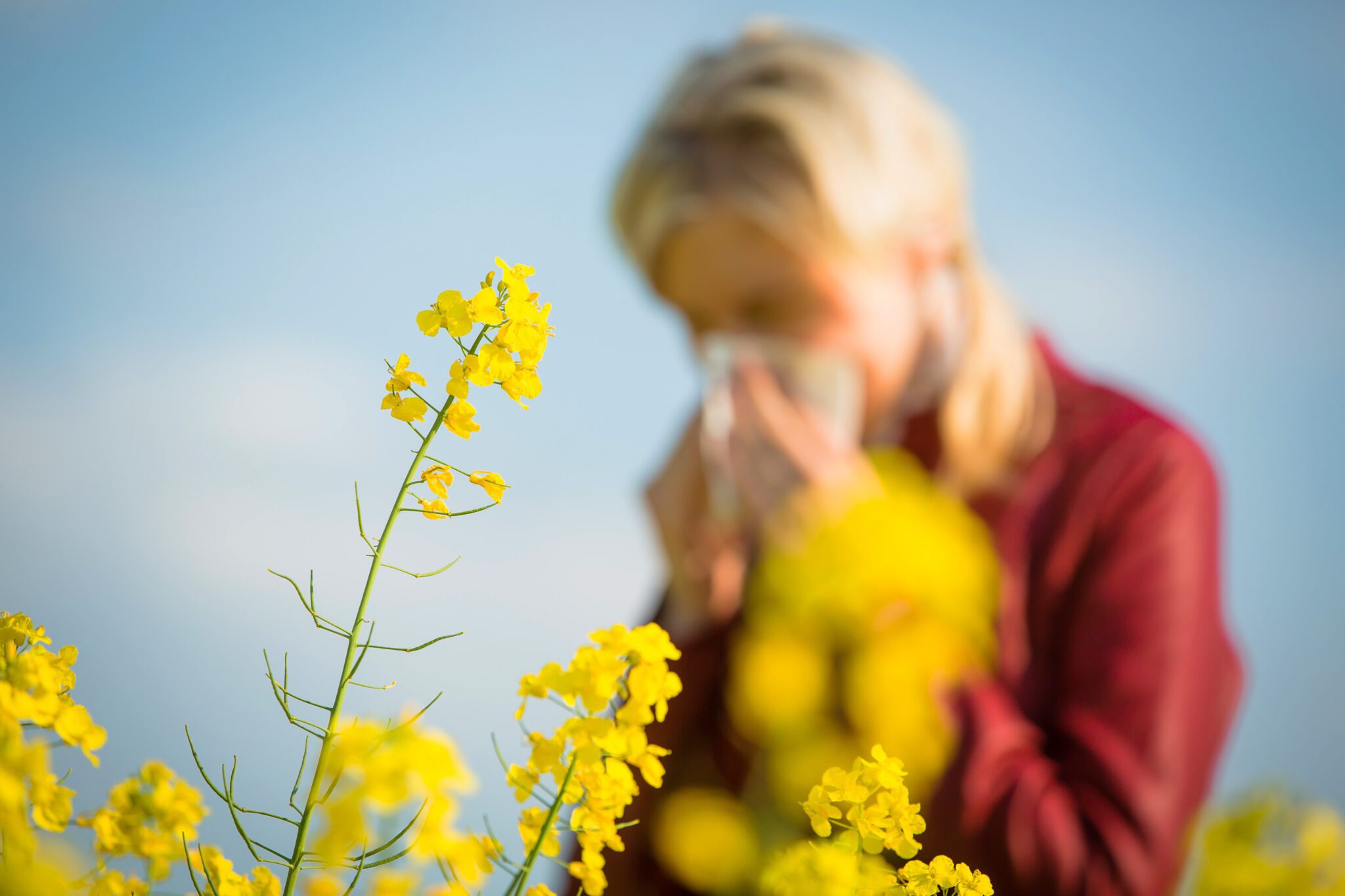
Hay fever sufferers around the UK may have noticed that their hayfever seems a lot worse than usual. Those who suffer from hay fever should be vigilant as many experts are predicting high levels of pollen. These high pollen levels are making allergy symptoms a lot worse and in some cases unbearable for millions of hay fever sufferers across the UK. Grass pollen is the most common hay fever allergy and affects around 90% of sufferers.
Even the Met Office has issued a new warning regarding the pollen forecast, with it predicted that a large portion of the UK is set to suffer from very high levels of hay fever. Areas in Scotland including Ornkey, Shetland, the Highlands and Grampian are lucky enough to only be set to experience low pollen levels, but as you move further down through the UK, levels are set to sore. The Lothians, Strathclyde and Fife will have medium pollen levels, along with Northern Ireland, however the majority of England will experience very high pollen levels.
Pollen count monitoring covers Met Office weather data and expertise from a number of organisations including the National Pollen and Aerobiological Unit, who will produce pollen forecasts for up to 5 days in advance across the UK.
Do I have Hay Fever?
The main symptoms of hay fever include:
- Coughing and sneezing
- A runny of blocked nose
- Itchy red or watery eyes
- No sense of smell
- Pain in your temples or forehead
- A headache
- Earache
- Feeling tired or run down
These symptoms can last from weeks to months, this should make it much easier to differentiate between types of allergies as well as a common cold which will only last around a week or two. Those who suffer from asthma may also feel a tight feeling in their chest, as well as shortness of breath, wheezing and coughing. Some symptoms of hay fever can last for weeks or months, it may feel like a cold that won’t go away.
Tips to Relieve Hay Fever Symptoms
Currently, there is no cure for hay fever, however there are many remedies that you could try in order to relieve your symptoms when the pollen count is high. Consider the following tips to try and keep the brunt of hay fever at bay:
- Use vaseline in your nostrils to trap pollen
- Wear wraparound sunglasses to help stop pollen getting into your eyes
- Show and change your clothes after you’ve been outside – this is to wash the pollen off them
- Try to stay indoors whenever possible
- Keep windows and doors shut
- Vacuum and dust your areas regularly
- Buy and install a pollen filter to your air vents in your car, you can also use a special HEPA filter on your vacuum cleaner
- Try taking antihistamine drops, tablets or nasal sprays – these should help with itchy, watery eyes and a blocked nose
Should you be suffering from hay fever this year and are finding it unbearable? Book an appointment with Broadgate GP today, our GPs can provide you with a full consultation as well as a treatment to help subside your hay fever. We also provide same day appointments.
Understanding Hay Fever's Impact on Your Well-being
As hay fever sufferers across the UK prepare themselves for the high pollen counts that mark the arrival of warmer months, it’s essential to arm oneself with knowledge and strategies to lessen the impact. While the article already provides a comprehensive look at the situation, including the prevalence of grass pollen and the invaluable pollen forecasts from the Met Office, there’s more to explore in our quest for relief and comfort.
Navigating Through the Pollen Storm
Beyond the sneezes and itchy eyes, hay fever affects sufferers with a broader range of symptoms. It’s a time when being outdoors feels like navigating through a storm, invisible yet palpable. Here, we delve deeper into understanding these symptoms and crafting more ways to shield ourselves from the onslaught.
Can Hay Fever Make You Cough?
A question that often lingers in the minds of those affected by hay fever is whether this seasonal adversary can also cause coughing. The answer is indeed yes. Hay fever can make you cough. This cough is typically a result of postnasal drip, where excess mucus from the nasal passages drips down the back of the throat, triggering a cough reflex. It’s your body’s way of trying to clear the mucus, a direct consequence of the inflammatory response to pollen.
Moreover, hay fever can lead to a tickly or scratchy throat, exacerbating the urge to cough. While not as commonly associated with hay fever as sneezing or itchy eyes, this symptom can be just as troublesome, affecting your sleep, concentration, and overall quality of life during peak pollen seasons.
Strengthening Your Defences Against Hay Fever
While the original content on the Broadgate GP webpage offers a solid foundation, incorporating a holistic approach to managing hay fever can bolster your defences. Here are additional strategies:
- Indoor Air Quality: Invest in air purifiers with HEPA filters to capture pollen and other allergens. Regularly changing air conditioning filters and keeping windows closed during high pollen counts can also help maintain a pollen-free indoor environment.
- Hydration and Diet: Staying hydrated can thin the mucus, easing postnasal drip and cough. Including anti-inflammatory foods in your diet, such as omega-3-rich fish, nuts, and seeds, can also support your body’s response to inflammation.
- Herbal Remedies: Certain herbal remedies, like butterbur and quercetin, have shown promise in reducing hay fever symptoms. However, always consult with a healthcare provider before trying new supplements, especially if you have existing health conditions or are taking other medications.
Embracing a Proactive Stance
As we navigate through the seasons, understanding the full spectrum of hay fever symptoms and adopting a multi-faceted approach to management can make a significant difference. Whether it’s through medical interventions, lifestyle adjustments, or natural remedies, the goal remains clear: to enjoy the spring and summer months free from the constraints of hay fever.
By staying informed, vigilant, and proactive, we can look forward to days filled with sunshine and fresh air, where hay fever no longer dictates our ability to enjoy the great outdoors.

