

Herpes is a common infection that, once contracted, stays in our body for the rest of our lives. There are two different strains of the virus – Herpes Simplex Virus type 1 (HSV-1) and Herpes Simplex Virus type 2 (HSV-2) – which have similar effects. Both oral and genital herpes can be either of the two strains but HSV-1 usually causes oral herpes while HSV-2 is typically the cause of genital herpes.
Receiving this diagnosis can be life altering, but it’s a lot more common than you may think, with a recent study estimating that more than 66% of adults under the age of 50 carry one of these strains. Here at Broadgate GP, we understand that this topic can be a sensitive one for many people, so not only are we committed to handling every patient with respect and have compiled everything you need to know about living with herpes.

What Are The Symptoms?
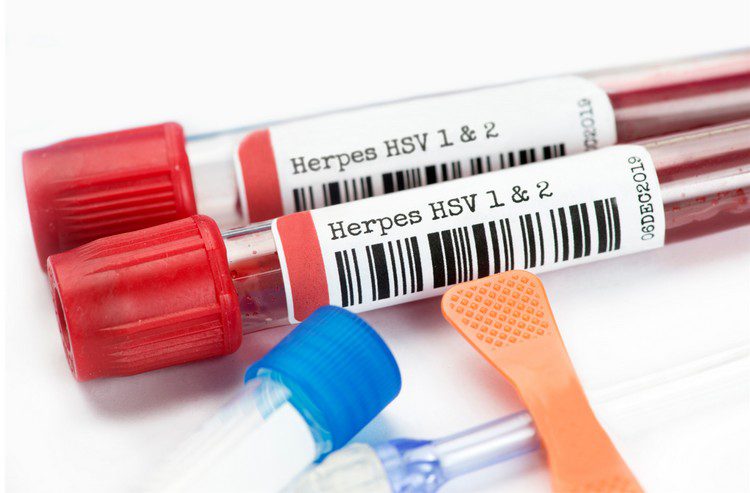
The symptoms of genital herpes can either be quite mild or painful and there’s no way to know for sure if you have it unless you get tested. Not everybody who has herpes will experience symptoms, which is why sexually active adults should be getting tested annually for chlamydia, gonhorroea, HIV, and syphilis. Herpes can get diagnosed using a blood test which can be taken at your local GP or sexual health clinic. Some of the symptoms of herpes include:
Pain Around Genitals: Feeling a tingling, itching, or burning sensation around your genitals can be an indication of gential herpes. Similarly, you may experience pain while urinating.
Blisters: You may notice blisters that develop into sores on your scrotum, penius, cervix, vagina, vulva, and inside your thighs that itch and can spread to other areas of the body.
Flu-like Symptoms: Symptoms such as fever, chills, aching or fatigue, headache, and swollen glands can be associated with the flu, but they’re also an indication of HSV-2.
Unusual Discharge: For women, experiencing unusual discharge could be an indication for a variety of health conditions, but it’s also a symptom of genital herpes.
If you experience any of these symptoms, it’s important you get in touch with your GP for advice on what to do next. They may see you themselves or refer you to a nearby sexual health clinic to undergo sexual health tests. Some of these symptoms – while being indicators of the herpes infection – can indicate other problems and should be checked out as soon as possible.
Treatment Options
There is no cure for either strain of herpes; it is a lifelong condition. While minor symptoms clear up on their own, the blisters may come back in the form of an outbreak. The first time you get genital herpes, you may be prescribed an antiviral medication to prevent the symptoms from getting worse and cream for the pain. The antiviral should be taken within 5 days of symptoms appearing to shorten the length of the outbreak. For future outbreaks, more antivirals and cream will be provided to ease discomfort and cut down the length of time the outbreak presents, but they will also clear up on their own.
Talking About Genital Herpes
If you have been diagnosed with their the HSV-1 or HSV-2 strain and are engaging in sexual activity, it’s important to inform your partner of your diagnosis. Millions of people have herpes, and most people will contract an STI at some point in their lives, so chances are your partner may already be infected or may not care, however talking about the topic can still be uncomfortable.
Take it slow, make sure you’re fully informed on your own condition, and use protection wherever possible. If you’re worried your partner may hurt you if you tell them in person, a phone call, text, or email may be better or – in extreme cases – not telling them at all. There are numerous resources to help individuals who are dealing with a dangerous or abusive relationship and seeking a way out may be the best option for you.
Pregnancy and Genital Herpes
In the UK, it’s rare for mothers to pass genital herpes onto their babies during pregnancy or birth, especially for those who have had the condition for a while. However, your doctor should still be informed of your diagnosis if you are pregnant. The only time there’s cause for concern is if you contract herpes while pregnant as it can cause miscarrage of premature birth. Herpes passed along to a baby during birth can cause eye problems and brain damage so a C-section may be recommended, especially if sores are present at time of labour. Oral herpes isn’t dangerous during pregnancy and labour but kissing your baby should be avoided until sores have cleared up.
Need more information about genital herpes? Get in touch today!
Here at Broadgate GP, our team are experts when it comes to a range of health services, including sexual health. If you would like more information about living with genital herpes, advice on disclosing your condition, or treatments available to you, get in touch with our friendly team today! We’re only a phone call away and can’t wait to hear from you so don’t hesitate!

