
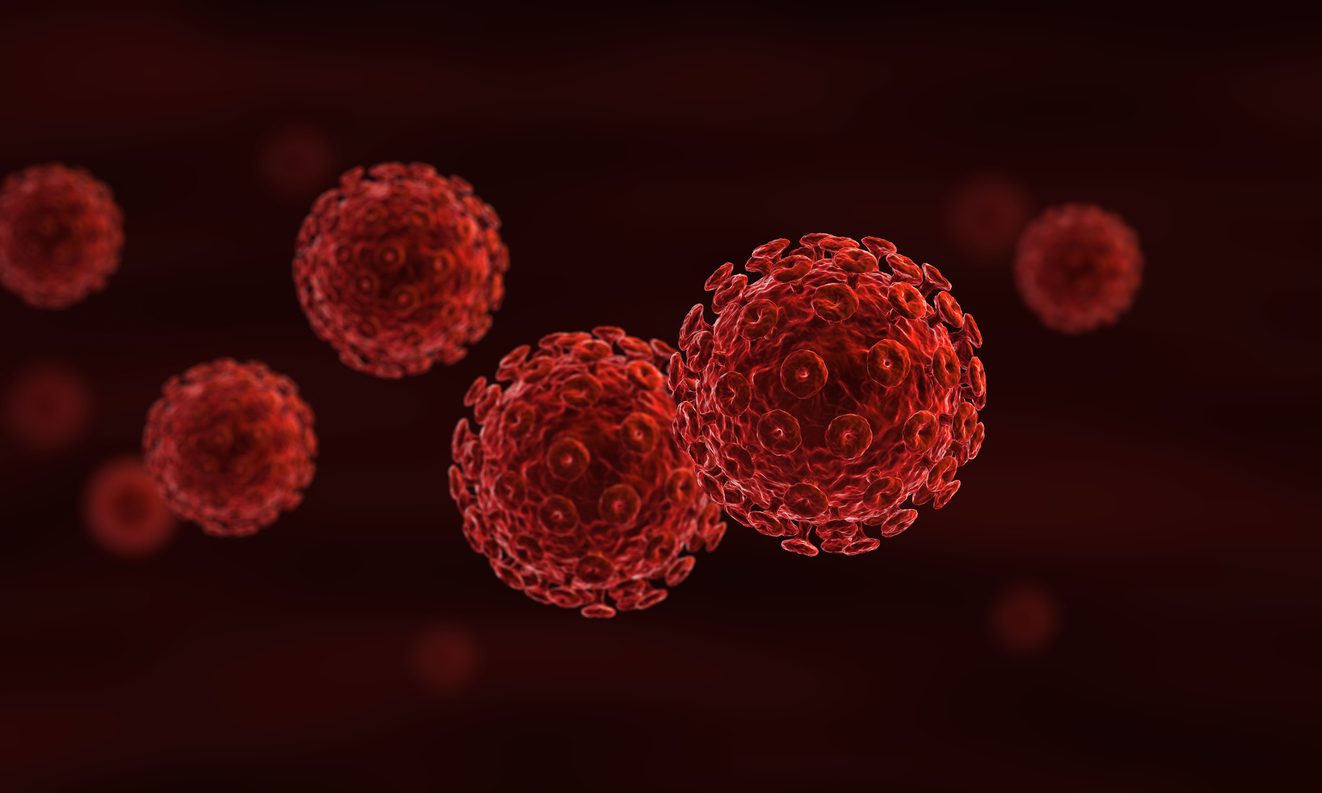
Scientists have achieved a significant breakthrough in the quest for a cure for HIV thanks to a revolutionary gene-editing technology. This technology, which has garnered a Nobel Prize, functions like molecular scissors, capable of making precise cuts in DNA. This allows for the removal of harmful genes, such as those of HIV, or the introduction of beneficial genetic material into cells. The discovery opens up the possibility of eradicating HIV from infected cells, marking a monumental step forward in the fight against this virus.
Crispr-Cas
The research, conducted by a team at the Amsterdam University Medical Centre in the Netherlands, has successfully demonstrated the ability to target and eliminate the HIV virus across various cell types. This gene-editing tool, known as Crispr-Cas, has been tailored to identify and remove the DNA of the HIV virus, leaving the infected cells virus-free.
The researchers are dedicated to developing a safe and effective treatment regimen that could potentially offer a cure to all individuals affected by HIV, regardless of the strain or the cellular context in which the virus resides.
The Significance of the Research
The significance of this research lies in its potential to provide a universal therapy against HIV. By focusing on parts of the virus’s genetic code that remain constant across different strains, the scientists aim to create a treatment that is effective against a wide range of HIV variants. This approach could lead to a broad-spectrum therapy, offering hope for a comprehensive solution to combat HIV.
A Crucial Step Towards a Cure
Presented at the European Congress of Clinical Microbiology and Infectious Diseases, the study highlights the researchers’ strategy to target the virus wherever it may be hiding in the body. HIV is known for its ability to infect various types of cells and tissues, making it a challenging target for treatment. The team’s work on identifying and attacking these persistent parts of the virus is a critical step towards developing a cure.
The researchers are now focused on optimising the delivery method of this gene-editing tool to ensure it reaches the majority of cells harbouring the HIV virus. The ultimate goal is to create a treatment that is not only effective but also safe for potential use in humans. Before clinical trials can begin, the team must find the perfect balance between the treatment’s efficacy and its safety.
Still Too Early
While the initial results are promising, the researchers caution that it is too early to claim a cure for HIV is imminent. The journey from laboratory success to a functional cure involves rigorous testing and optimisation to ensure the safety and effectiveness of the treatment for human use.
Ongoing Challenges
In the UK, the landscape of HIV testing and new cases has shifted, with a notable decrease in testing rates among heterosexual men and women since the COVID-19 pandemic. For the first time in a decade, the number of new HIV cases among heterosexuals has surpassed those among gay and bisexual men, highlighting the ongoing challenges in the fight against HIV. This development underscores the importance of continued research and innovation in the quest for a cure.
At Broadgate GP, we offer same-day HIV tests in London.

