
A Guide for Testing for Covid-19
COVID-19 is a virus transmitted through bodily fluids, such as saliva and blood. The CDC recommends taking steps to prevent the spread of COVID-19 by only submitting test results from an accredited lab or certified healthcare worker. This blog post will provide information on how to safely take your COVID-19 tests at home, including what you should do before and after taking the test and how to submit your results properly. Here at Broadgate GP, we offer at-home Covid Testing across Greater London.
Why Should I Get Tested?
To protect the most vulnerable in our families and communities, we must regularly perform self-testing. This will help slow down COVID-19’s spread by giving you peace of mind, so your loved ones don’t need to worry about getting sick too!
Before Testing
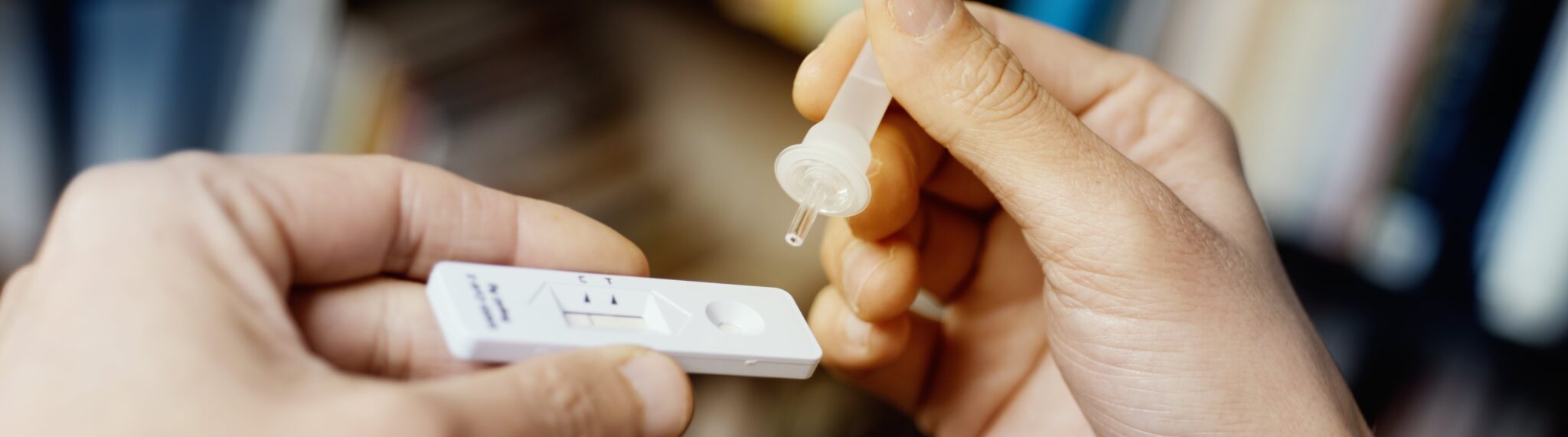
The process of testing begins with removing the strip from its packaging and placing it on a clean, flat surface. You have 30 minutes to complete this step before your test is done for you! The first thing that needs to get started is preparing yourself by washing or disinfecting hands. There’s no point starting dirty work halfway through looking over these instructions carefully enough?
During The Test
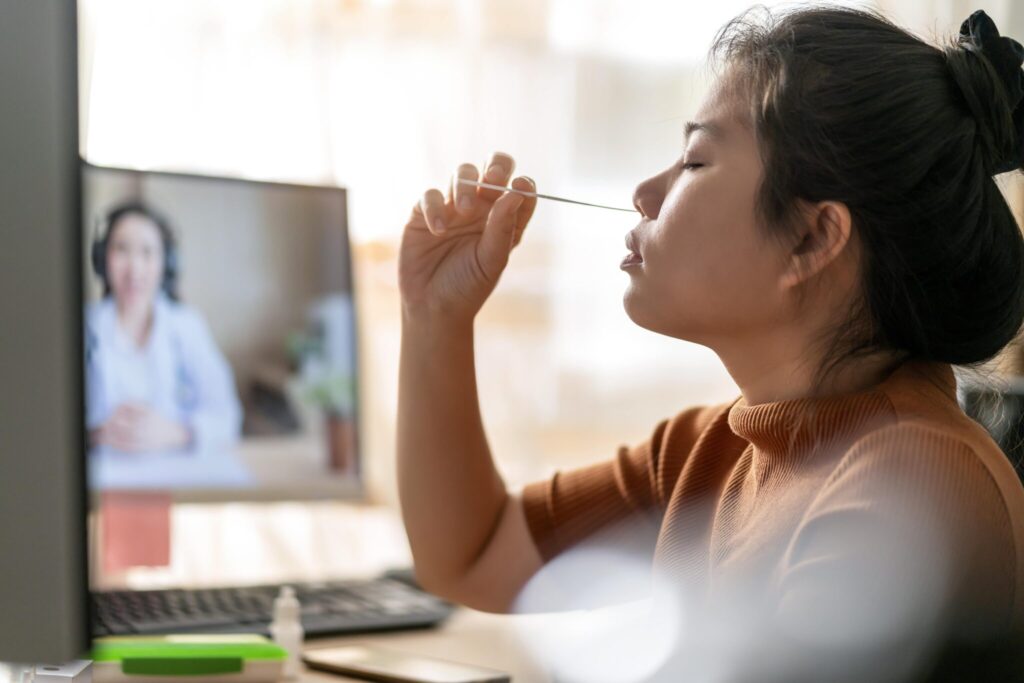
Take the package and open it carefully. Put one end of a soft swab 2-4 cm up your nose; make ten circular movements using this to feel for any hairs inside, then place all but 1 inch (the tip) back into its shell so as not to break; them when removing later on! Place both ends in liquid again before rotating 15 seconds each time – please be careful not to contaminate the swab.
Now, wet the red dot on top of the test strip for about two seconds and wait 20-30 minutes until you have a result. If it takes longer than 30 minutes, you can repeat these steps up to three times before considering your results inconclusive. When disposing of your test kit, place the used swabs in the plastic tube inside the box it came in before you dispose of them safely.
If You Get a Test Positive Result
The Centers for Disease Control and Prevention (CDC) recommend that you stay home with symptoms of COVID-19 or isolate yourself at least ten days following a confirmed diagnosis, if possible while avoiding contact with others as much as possible. If your illness becomes severe, seek medical attention right away! Please note that government recommendations can change very quickly and vary by region. We advise you to check your government’s advice regularly.
Keep your distance from other family members, even if they are close to you. Air on the side of caution by keeping the room well-ventilated and wearing a medical mask when necessary for protection against infection risks such as those caused by contact with respiratory droplets (inhalable). Ensure at least 1m between any items so that anyone who might come into contact will not be exposed too substantially during an outbreak scenario; wash hands frequently, especially after coughs or sneezes since these could introduce infectious particles onto surfaces within the range of others.
Common COVID-19 symptoms – Covid-19 is a severe condition that can have different effects on people at their rate. You might experience one or more of these symptoms, which could be indicative of the virus:
- Fever (increased body temperature)
- Swollen lymph nodes – Sore throat and difficulty swallowing due to inflammation in the back of your mouth
- Difficulty breathing; wheezing sound while inhaling/exhaling air
- Red eyes with increased sensitivity to light; redness around eyelids caused by swollen blood vessels close to the surface of your skin
- Headache (with nausea and vomiting); dizziness (loss of balance)
If You Get a Negative Test Result
A negative test result means you do not have the virus that causes COVID-19. You may be at lower risk of transmitting it to others, but this doesn’t mean your current illness is related or caused by COVID-19; rather than ruling anything out completely, a negative takes us back into speculation about what could’ve happened during infection and how early symptoms manifest themselves in different people.
Continue to practice COVID-19 prevention methods such as frequent hand-washing, covering your nose and mouth when you sneeze or cough, and avoiding close contact with people who are sick.

Home Treatment For COVID-19
To relieve covid-19 symptoms, drink plenty of fluids and If you have a fever, take ibuprofen to reduce it. You can also use a cool-mist humidifier to help relieve congestion. Soothe your throat by drinking warm liquids, sucking on ice chips, or gargling with saltwater. If you are having trouble breathing, seek medical attention right away.
For Covid Tests in London, Contact Broadgate GP
It’s essential to test for COVID-19 regularly. If you are experiencing symptoms of the virus, you must get tested as soon as possible so your health can be monitored and any treatments started if necessary. You may not know how long someone has had COVID-19 before they come down with symptoms. You should also be aware that long Covid is something that can occur where the symptoms last for a longer amount of time.
Still, testing regularly will help ensure early detection and prevent spreading the disease by unknowingly infecting others.
Additionally, Antibody Tests are a great way to determine if someone has had Covid 19 in the past. For all your needs regarding Covid tests and antibody tests, keeping Covid at bay in the workplace, be sure to give our team at Broadgate GP a call. We hope you have found this blog helpful.

