
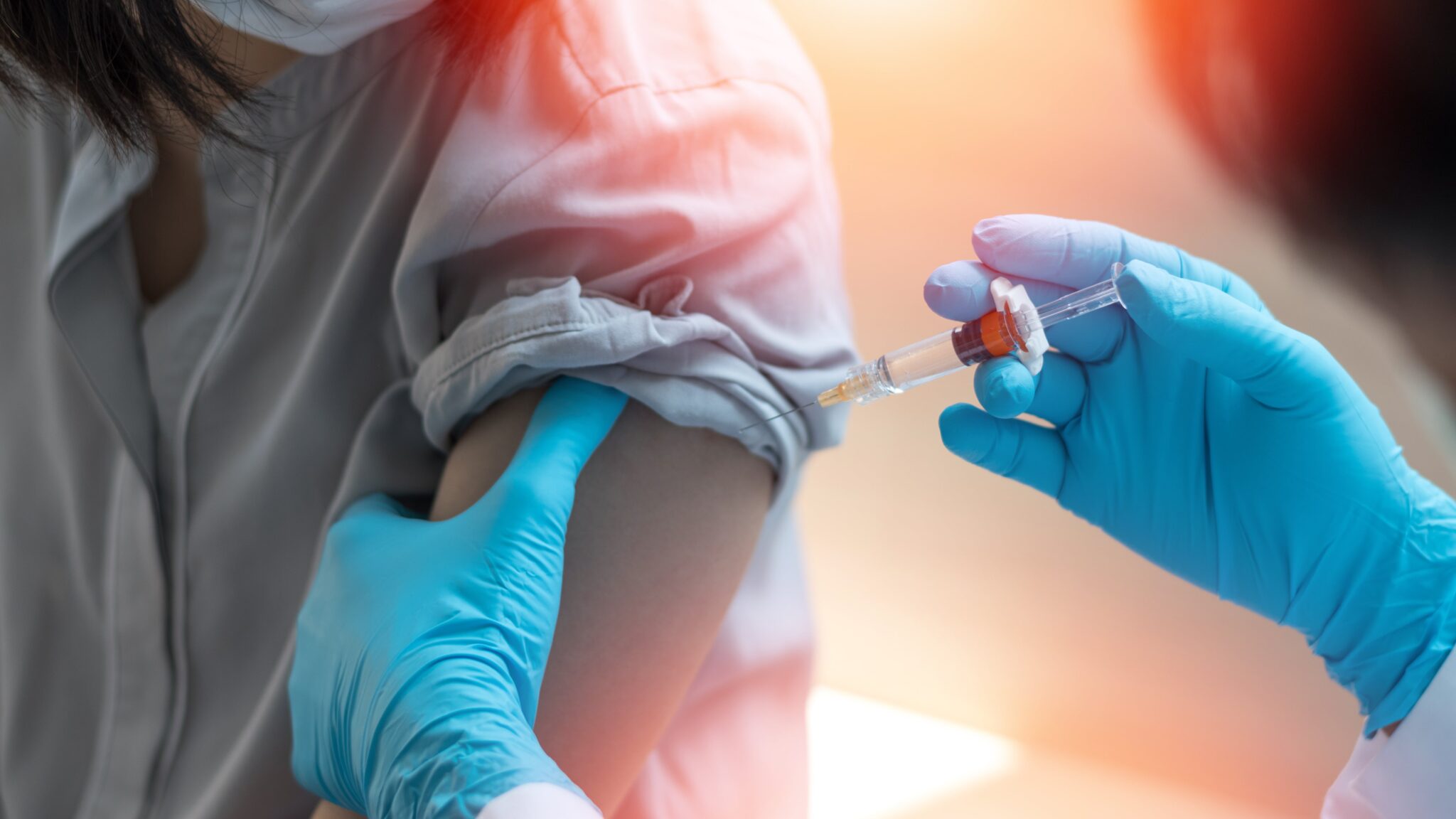
Cervical cancer is a devastating disease that affects millions of women worldwide, but there is hope. The root cause of most cervical cancer cases is the human papillomavirus (HPV), a sexually transmitted infection that is easily spread through intimate contact. However, by taking preventative measures, such as widespread immunisation with the HPV vaccine, we can greatly reduce the impact of cervical cancer and other cancers caused by HPV.
Here at Broadgate GP, we are a professional private GP who offer a range of sexual health services to our patients in London – including the HPV vaccine and treatment options. Our team of medical experts have come together to create this helpful article explaining all about the HPV vaccine and why it is important.
What is HPV?
HPV is a group of over 150 viruses that can infect the skin and mucous membranes of the body. These viruses are incredibly common and are spread primarily through sexual contact.
Some types of HPV can cause warts to form on the skin and mucous membranes, which can range from small, fleshy bumps to large, cauliflower-like growths. These warts can appear on the hands, feet, and genitals, and can be unsightly and uncomfortable.

Other types of HPV, however, can have far more serious consequences. Certain strains of the virus are known to cause cervical cancer, which is a leading cause of death for women worldwide. In fact, cervical cancer is the fourth most common cancer in women, and it is estimated that nearly all cases of cervical cancer are caused by HPV.
What Does the Vaccine Do?
The HPV vaccine is designed to protect against certain types of HPV that can cause cervical cancer and other types of cancer such as vaginal, vulvar, anal, and oropharyngeal cancer as well as genital warts.
Currently, there are two types of HPV vaccines available and they work by stimulating the immune system to produce antibodies against the HPV types included in the vaccine. These antibodies protect the individual from infection by those HPV types, if they were to be exposed to the virus in the future. The HPV vaccine is given as a series of shots, usually two or three doses, depending on the type of vaccine and the age of the person receiving it. It is most effective when given before an individual becomes sexually active.
It’s important to note that the HPV vaccine does not treat existing HPV infections or cervical cancer, it only protects against future infection by certain types of HPV. It is recommended for people who are not infected with HPV, but who are at risk of getting it.
Who Can Get the HPV Vaccine?
In the United Kingdom, the National Health Service (NHS) recommends the HPV vaccine for everyone aged 12 to 13, as part of the national vaccination program. The vaccine is given in two doses, with the second dose given six to twelve months after the first. The vaccine is also recommended for teenagers and young adults who missed the vaccine at school, and can be given up to the age of 18.
The HPV vaccine is also recommended for certain groups of people who are at higher risk of HPV infection, including:
- Men who have sex with men
- Individuals with weakened immune systems
- Transgender individuals
Additionally, the HPV vaccine is also recommended for anyone up to 45 years old who wants to decrease their risk of HPV-associated diseases or who have certain risk factors. It is important to note that the vaccine is not recommended for pregnant women, but it can be given to women who are breastfeeding.
It’s always best to check with your healthcare provider to know if you or your child is eligible to receive the HPV vaccine, as they can help you to determine the best course of action based on your specific circumstances.
Book your appointment with Broadgate GP today!
If you would like to arrange an HPV vaccination for yourself or your child, make sure Broadgate GP is your first choice! We have been providing sexual health services for many years now, and we’re here to help! Get in touch today to find out more information or to chat to a member of our expert team!
Want to know more about sexual health and why it matters? Check out our blog! It’s packed full of useful information, including sexual health advice for women, how chlamydia affects men, what you should know about genital warts, and what happens during an STI test!

