

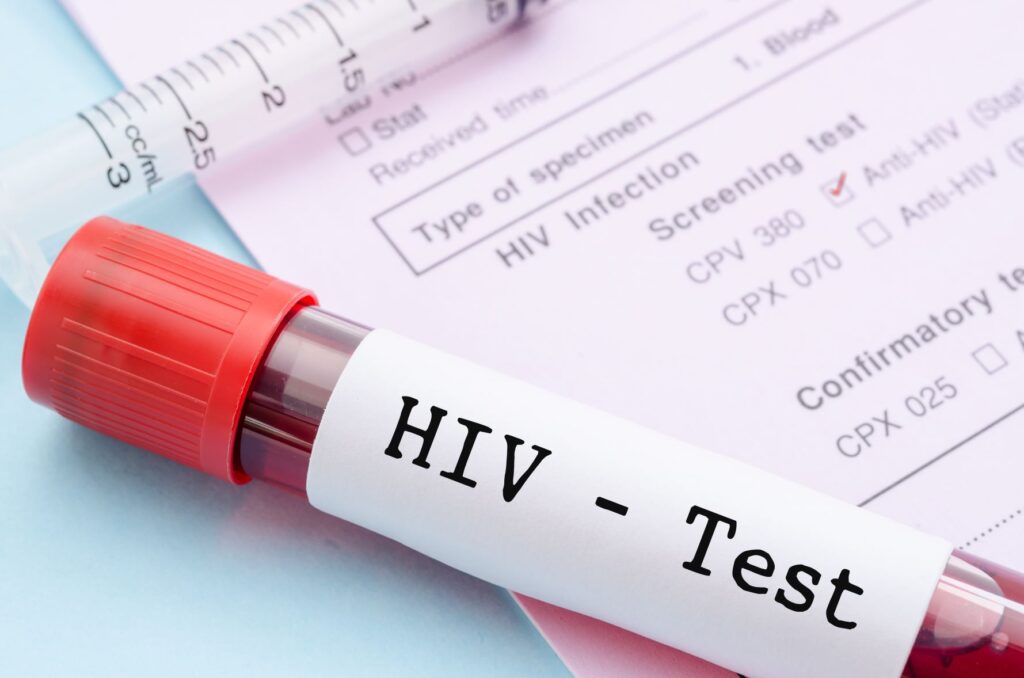
Have you ever wondered how you can protect yourself from catching HIV? For many people, HIV is a condition that’s attached with a great deal of stigma; what’s more, the condition is often a frustrating one to have to live with. Nevertheless, as a professional sexual health clinic in London, Broadgate GP have made it our mission to ensure that as many people as possible know about the symptoms of HIV, have HIV test available and know how you can protect yourself from catching the condition.
Know the Symptoms of HIV
Before we look any further, we need to start by clarifying some of the common symptoms of HIV. Indeed, as a professional gum clinic in London, one of the first signs of HIV that we look for is mouth ulcers, affecting around 40-50% of all people living with HIV. However, aside from this symptom alone, there are many other potential symptoms associated with HIV, including:
- Flu-like symptoms, including fever, sore throat, and body rash
- Tiredness
- Joint pain
- Muscle pain
- Swollen glands
- Night sweats
- Recurrent infections
- Chronic diarrhoea
- Weight loss
- Skin problems
- Tendency to catch other illnesses
Together, these symptoms can make living with HIV a misery, because of these symptoms, in years gone by many people used to die from the condition.
What’s more, after the original fever-like symptoms, it can sometimes take up to ten years for other symptoms to present; during this time, you may be unaware that you are a carrier of HIV. As such, if you have any concerns whatsoever that you might carry HIV, we highly recommend that you reach out to your local sexual health clinic to get tested; knowing whether you or your partner have HIV is the first step to preventing its spread.
Is HIV Treatable?
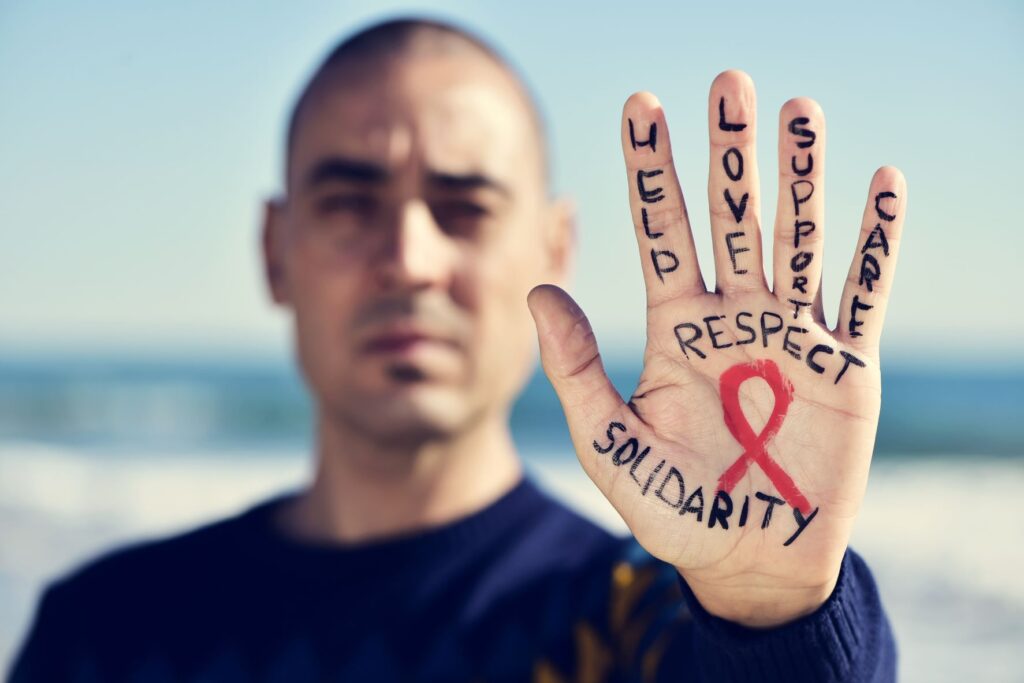
Unfortunately, this is a slightly tricky question to answer. Indeed, while the symptoms of HIV are treatable with modern medicine (and a healthy lifestyle may also help with this), the condition remains incurable at present.
As such, unless medicine takes a new stride with defeating HIV once and for all, you will likely remain affected by the condition for life once you have gotten it. Fortunately, the efficacy of HIV treatments means that the condition isn’t the death sentence it once was, and you can continue living a fulfilling life even after a HIV diagnosis.
How to Prevent HIV
At this point, we’ve covered some of the common symptoms of HIV, and it certainly doesn’t present a pretty picture. With this in mind, you may have been wondering if there are ways to prevent yourself from contracting HIV – and fortunately, there are several vital suggestions you could follow.
#1 Protected Sex.
First, always make sure you have safe, protected sex. While HIV can be passed from blood, breast milk, and other bodily fluids, the most common transmission is through semen or vaginal fluids – making sex the leading cause of transmission in many cases.
As such, always have sex with a condom, and ensure you’ve gotten tested to be confident you’re clear of the infection before having sexual relations with a new or existing partner. Addition know what kind of aftercare you would consider following sex.
#2 Be Careful with Needles.
Of course, it perhaps goes without saying, but you should never share needles (for example, blood insulin testing) with any other person.
Since blood is a common cause of HIV transmission, sharing needles with someone who is affected by the condition could result in you contracting HIV from their used needle or vice versa. It’s not worth the risk; always use sterile needles for any prescribed needle use and never share. And, if you don’t need to use needles for a medical condition, steer clear of needles and any activities that require them without compromise.
#3 Prevent the Spread to your Unborn Baby.
In addition to this, if you are pregnant and know that you suffer from HIV, your doctor may be able to recommend strategies to help prevent your unborn baby from contracting the disease. However, you need to raise this early, as even the process of a vaginal birth could put them at risk of contracting the disease.
#4 Take Preventative Medications.
Finally, it’s essential to be aware of the symptoms – as these can raise warning flags allowing you to get treated more quickly. While it may be too late once you’ve been exposed to the condition, there are now HIV preventive medications such as pre-exposure and post-exposure prophylaxis that can help.

Final Thoughts
If you think you are at risk of having caught HIV, there are numerous things you can do. What’s more, post-exposure medication now offers new opportunities for individuals exposed to HIV to prevent the condition from gaining a footing. However, while the condition remains incurable, the symptoms can be treated with support from your GP and local gum clinic; so, if you need any further help, Contact us today!

