
Did you know that cervical cancer is the fourth most common type of cancer in women? And that each year, more than 12,000 new cases are diagnosed in the United States alone? This blog post will discuss the importance of cervical screening and why women must get screened regularly.

What Is Cervical Screening
Cervical screening is the process of detecting abnormal cells on the cervix. The cervix is the lower, narrow end of the uterus that opens into the vagina. The main goal of cervical screening is to detect early signs of cancer so that treatment can be started before cancer progresses.
Who Should Get a Cervical Screening
The American Cancer Society recommends that all women between 21 and 65 get screened for cervical cancer every three years? After 30, some women may choose to get screened every five years if their results are expected.
Women over 65 who have had recent negative tests do not need further screening unless they have symptoms or a history of cervical disease treated with surgery or radiation therapy (radiotherapy).
What Happens During Cervical Screening
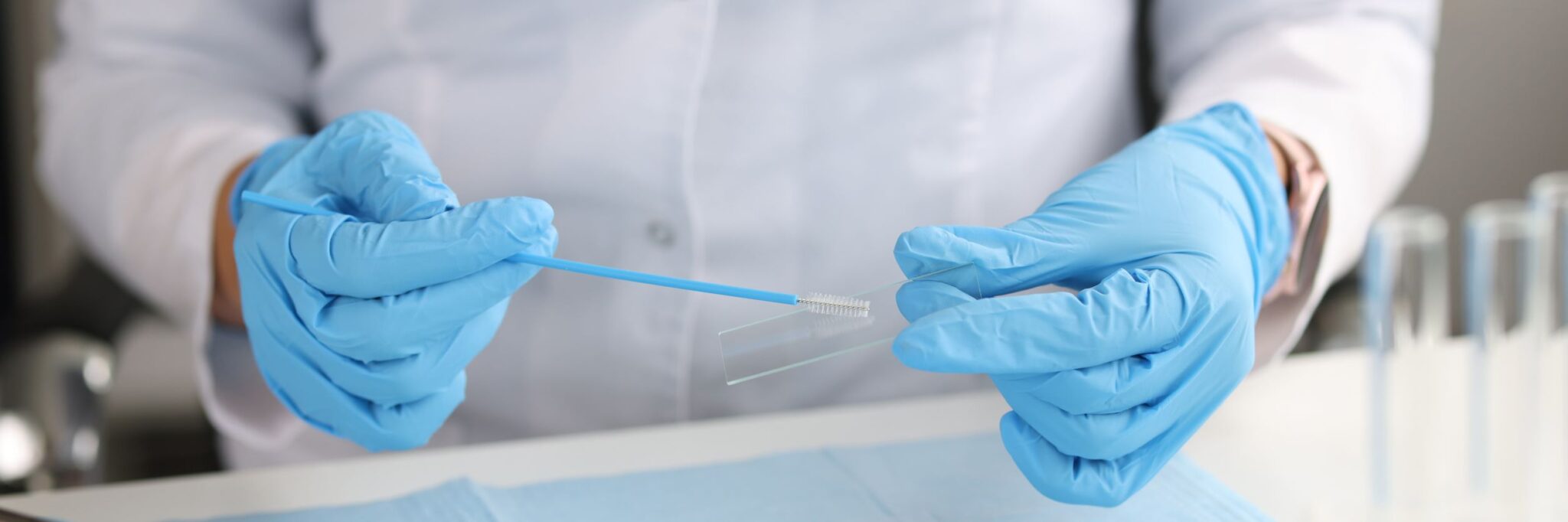
A cervical screening test is a simple, quick procedure that can be done in your doctor’s office. The test involves taking a small sample of cells from the cervix to be examined under a microscope.
There are two main types of cervical screening tests: the Pap smear and the HPV test. The Pap smear is the most common test used. It involves taking a sample of cells from the cervix and testing them for abnormalities.
The HPV test looks for evidence of human papillomavirus (HPV), a virus that can cause cervical cancer. Both tests are safe and relatively painless, although some women may experience mild cramping during the procedure.
If your test results are abnormal, you will be referred for further testing and treatment. Your doctor or nurse can explain what your specific result means for you.

Why Is Cervical Screening Important?
Cervical cancer is one of the most preventable types of cancer. Cervical screening can detect early changes in cervical cells before they become cancerous. It is essential to get screened regularly because you may have the virus that causes cervical cancer and not know it.
The earlier your doctor or nurse discovers these abnormal changes; the sooner treatment can begin for most women with cervical pre-cancer (abnormal cells that are not yet cancerous).
If you’re sexually active, it’s essential to get screened for HPV. If left untreated, the virus can cause cervical pre-cancer and even lead to cancer in some cases. However, most women who have HPV never develop symptoms or become sick from it; they simply clear the virus on their own.
Cervical screening is one of the most important steps you can take to protect your health. It’s quick, easy, and painless, so there’s no excuse not to get screened regularly!
Where Can You Get Screened?
Private sexual health clinics are a great place to get screened because they offer a confidential and comfortable environment. If you don’t have a regular doctor or nurse, we recommend contacting your local sexual health clinic to make an appointment.
Broadgate GP is dedicated to providing high-quality cervical screening services to women in the London area. We offer a confidential and comfortable environment where you can get screened for cervical cancer and other STIs.
FAQs
How long does the cervical screening test take?
The cervical screening test takes about five minutes.
Can I have the HPV test without having a Pap smear?
Yes, you can have the HPV test without having a Pap smear. The HPV test is specifically designed to detect the virus that causes cervical cancer.
What should I do if my results are abnormal?
Don’t panic! Most abnormal results are due to infection or inflammation and not cancer. If your results show abnormalities, your doctor or nurse will discuss the next steps with you.
Can I be screened for other STIs at the same time?
Yes, you can get screened for other STIs at the same time. It’s always a good idea to get checked regularly if you’re sexually active or think you may have been exposed to an infection. This will help protect your health and prevent spreading any infections you may have.
If you are nervous about getting a cervical smear test done, check out our recent blog where we discuss “What Happens in a Smear Test?“

Do You Still Have Questions
Cervical screening is essential because it can detect early signs of cervical cancer. Cervical cancer is highly curable when detected early. Several different types of cervical screenings can be performed; It is essential to get screened regularly regardless of age or sexual activity.
Private GPs are the best place to be screened for cervical cancer because they are safe and confidential.
Broadgate GP offers cervical cancer screenings in a comfortable setting with convenient hours of operation. Contact us today!

