
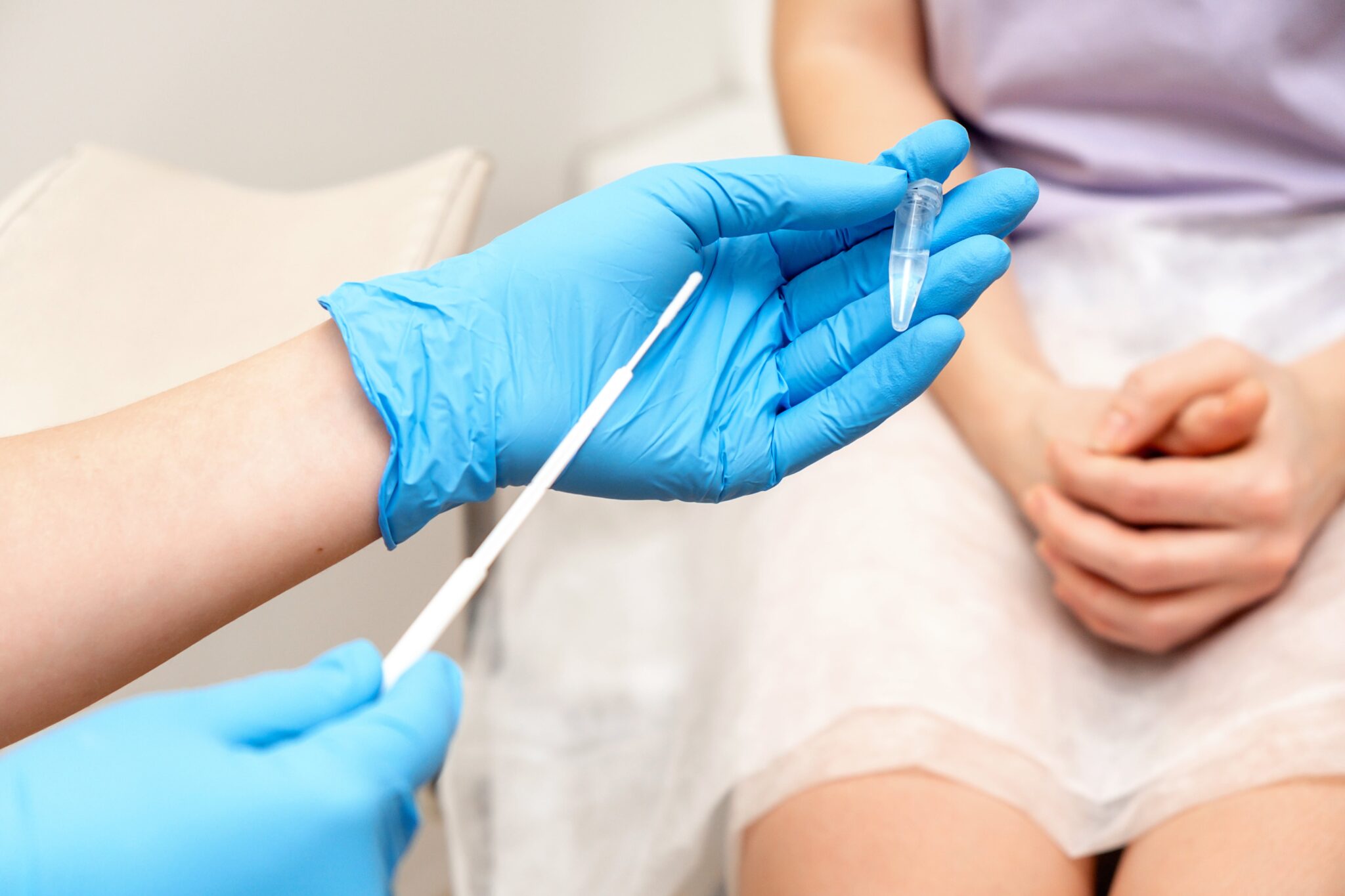
Ureaplasma symptoms can be difficult to understand because they often feel like other urinary or sexual health problems. You may notice burning when passing urine, unusual discharge, pelvic pain, penis pain or irritation around the genital area. Or you may have no symptoms at all.
That uncertainty can be frustrating, especially if you have already been treated for a UTI, bacterial vaginosis or another infection and symptoms keep coming back.
At a glance:
- Ureaplasma is a group of bacteria that can live naturally in the genital and urinary tract.
- Many people who carry Ureaplasma have no symptoms.
- A positive Ureaplasma test does not automatically mean the bacteria are causing an infection.
- Symptoms can overlap with UTIs, bacterial vaginosis, chlamydia, gonorrhoea and other conditions.
- Ureaplasma can be passed between sexual partners, but it is not managed in the same way as a typical STI such as chlamydia.
- Testing and treatment should be considered in the wider clinical context rather than based on a positive result alone.
For general information about sexually transmitted infections and accessing testing, the NHS provides guidance on STI testing and treatment.
This guide explains what Ureaplasma is, the symptoms it may cause in women and men, whether Ureaplasma is an STD, how testing works, and when it is sensible to speak to a doctor.

What Is Ureaplasma?
Ureaplasma is a type of very small bacteria that can be found in the urinary and reproductive tracts. These ureaplasma bacteria are common in sexually active adults, and around 70% may carry Ureaplasma without knowing it because it does not always cause symptoms or health problems.
There are different Ureaplasma species, including:
- Ureaplasma urealyticum
- Ureaplasma parvum
These bacteria can form part of the microorganisms naturally present in the genital tract. In most people, the immune system keeps Ureaplasma in balance. It may multiply more rapidly if the microbiome is disrupted or the immune system is compromised.
This means detecting Ureaplasma is not the same as diagnosing an active infection.
Some people carry the bacteria without experiencing any symptoms. In others, particularly where symptoms or inflammation are present, a doctor may need to consider whether Ureaplasma could be relevant or whether another condition is more likely.
Current sexual health guidance recommends interpreting Ureaplasma results carefully. Routine testing is not generally recommended because asymptomatic carriage is common and simply detecting the bacteria does not prove that it is responsible for symptoms.
Does a positive Ureaplasma result mean you have an infection?
Not necessarily.
A laboratory test may show you tested positive for Ureaplasma even when it is not causing any harm. Doctors therefore need to consider the test result alongside:
- Your symptoms
- How long symptoms have been present
- Whether symptoms are recurring
- Other STI test results
- Signs of inflammation
- Bacterial vaginosis or urinary infections
- Pregnancy or reproductive health concerns
- Your wider medical and sexual history
This distinction between colonisation and infection is particularly important with Ureaplasma, because harmless colonisation is different from a symptomatic infection.
What Are the Symptoms of Ureaplasma?
Ureaplasma symptoms vary considerably. Some people have no symptoms, while others notice urinary, vaginal, penile or pelvic discomfort.
Possible Ureaplasma symptoms include:
- Burning or stinging when passing urine
- Frequent urination
- Pelvic pain
- Lower stomach or abdominal discomfort
- Abnormal vaginal discharge
- Unusual discharge from the penis
- Genital irritation or soreness
- Penis pain or discomfort in the urethra
- Pain during or after sexual intercourse
- Testicular discomfort in some men
- UTI-like symptoms that keep returning
However, none of these symptoms are unique to Ureaplasma. Other infections can produce symptoms that feel very similar.
Burning when passing urine, discharge and pelvic discomfort can also occur with:
- Urinary tract infections
- Bacterial vaginosis
- Chlamydia
- Gonorrhoea
- Mycoplasma genitalium
- Non-specific urethritis
- Other vaginal or genital infections
This is why symptoms alone cannot tell you whether Ureaplasma is responsible.
| Symptom area | What someone may notice |
| Urinary symptoms | Burning, stinging or needing to pass urine more often |
| Vaginal symptoms | Unusual discharge, irritation or pelvic discomfort |
| Male symptoms | Penis pain, urethral irritation or unusual discharge |
| Sexual symptoms | Discomfort during or after sex |
| Recurring symptoms | Repeated UTI, BV or urethritis-like symptoms without a clear explanation |
If symptoms are ongoing or keep returning, a clinical assessment can help identify the most likely cause among genital tract infections rather than relying on symptoms alone, including other genital tract infections that can present in much the same way.
What Do Ureaplasma Symptoms Look Like in Women?
Ureaplasma symptoms in women may affect the vagina, cervix, urinary tract or pelvic area.
Many women who carry Ureaplasma experience no symptoms at all.
When symptoms are present, they may include:
- Abnormal vaginal discharge
- Pelvic pain
- Burning when passing urine
- Genital irritation
- Pain during sexual intercourse
- Discomfort after sex
- Repeated BV-like symptoms
- UTI-like symptoms without a clear cause
The difficulty is that each of these symptoms can have several explanations.
For example, unusual vaginal discharge could be caused by bacterial vaginosis, thrush, an STI or another change in the vaginal microbiome. Burning when passing urine could be associated with a UTI, chlamydia, gonorrhoea or urethral inflammation.
For this reason, it is important not to assume Ureaplasma is responsible simply because it appears on a laboratory result.
Ureaplasma, BV and pelvic symptoms
Ureaplasma is sometimes detected alongside changes in the vaginal microbiome, including bacterial vaginosis.
If you experience recurring discharge, odour, irritation or pelvic symptoms, a doctor may consider bacterial vaginosis and other common causes before deciding whether Ureaplasma is clinically significant.
Women experiencing persistent pelvic pain, bleeding after sex, unusual discharge or worsening symptoms should seek medical advice rather than repeatedly self-treating.
What Do Ureaplasma Symptoms Look Like in Men?
Ureaplasma in men is most often discussed in relation to the urethra, which is the tube that carries urine out of the body.
Again, many men who carry Ureaplasma have no symptoms.
Possible symptoms in men include:
- Burning when passing urine
- Penis pain
- Watery or unusual discharge
- Irritation at the tip of the penis
- Urethral discomfort
- Discomfort after sexual intercourse
- Testicular ache
- Pelvic discomfort
- Symptoms similar to non-specific urethritis
Research and clinical guidance suggest that Ureaplasma urealyticum may be associated with some cases of non-gonococcal urethritis, particularly when a high bacterial load is present, and ureaplasma infection or overgrowth may contribute to localized inflammation in some cases. Ureaplasma parvum, however, is less likely to be responsible for urethritis.
A 2023 study also linked Ureaplasma urealyticum with low sperm count.
This is another reason why the exact Ureaplasma species and the wider clinical picture matter.
More common causes of urethritis, including chlamydia, gonorrhoea and Mycoplasma genitalium, may need to be investigated first.
If you have symptoms and are unsure what is causing them, Broadgate GP can assess your symptoms and discuss whether Ureaplasma testing or wider sexual health testing is appropriate.
Is Ureaplasma an STD or STI?
Ureaplasma can be passed between sexual partners, but it is not usually classified or managed in the same way as a classic sexually transmitted infection such as chlamydia or gonorrhoea.
This is because Ureaplasma can also be found in people who have no symptoms or disease.
So, is Ureaplasma an STD?
The simplest answer is:
Ureaplasma can be sexually transmitted, but testing positive does not automatically mean that you have a harmful STI or an infection requiring treatment.
It is more commonly found in sexually active people and can be shared during sexual contact, but carriage can persist without causing symptoms.
A positive test also does not automatically indicate recent transmission or infidelity between partners.
How Is Ureaplasma Transmitted?
Ureaplasma may be passed between people during sexual contact.
Transmission is most commonly associated with intimate genital contact and sexual intercourse, including vaginal, oral and anal sex, with unprotected sexual contact considered a relevant risk context for ureaplasma transmission. Ureaplasma can also be passed from mother to baby during pregnancy or around the time of birth in some circumstances.
Sharing unsterilized sex toys may also contribute to spread.
The likelihood of carrying sexually associated bacteria may be greater in people who have:
- New sexual partners
- Multiple sexual partners
- Unprotected sex
- Another recently diagnosed STI
- Ongoing genital or urinary symptoms
Using condoms can reduce exposure to Ureaplasma and, importantly, can reduce the risk of other sexually transmitted infections including chlamydia, gonorrhoea and HIV.
However, no method completely removes the possibility of transmitting bacteria carried on genital surfaces. Exposure may occur in the context of sexual activity, and in some cases clinicians also investigate the wider picture for issues such as kidney stones.
Can Ureaplasma Have No Symptoms?
Yes.
Many people who carry Ureaplasma never develop symptoms.
This is one of the most important things to understand about the bacteria.
A positive result therefore needs context.
Someone with no symptoms may simply be carrying Ureaplasma as part of their genital microbiota. Detecting it does not automatically mean antibiotics are required. Problems are more likely if someone has a weakened immune system.
Current UK sexual health guidance does not recommend routine Ureaplasma testing for most people. BASHH advises that testing for Ureaplasma urealyticum is generally only considered under specialist care after other STIs have been excluded.
For people with symptoms, the priority is normally to establish whether another recognised cause explains them.
When Shouldn’t You Panic About Ureaplasma?
It is understandable to worry if Ureaplasma appears on a private laboratory result, particularly if you were not expecting it.
However, a positive result on its own does not mean something serious is wrong.
Remember:
- Ureaplasma carriage is common.
- Many people have no symptoms.
- A positive result does not prove the bacteria are causing your symptoms.
- It is not interpreted in exactly the same way as chlamydia or gonorrhoea.
- Not every positive result needs antibiotics.
- Other causes of symptoms should usually be considered.
Rather than focusing on the test result alone, speak to a clinician who can interpret it alongside your symptoms and any other test results.
When Can Ureaplasma Become a Problem?
The significance of Ureaplasma depends on individual risk factors, and whether ureaplasma infection depends on symptoms, test findings, and the wider clinical context.
Rather than assuming Ureaplasma will lead to complications, it is more useful to identify circumstances where further medical assessment is important.
Speak to a doctor if you have:
- Persistent burning or pain when passing urine
- Ongoing urethral discharge
- Pelvic pain that does not settle
- Repeated vaginal or urinary symptoms
- Testicular pain
- Symptoms after a new sexual partner
- A positive Ureaplasma result alongside continuing symptoms
- Pregnancy concerns
- Fertility concerns
- Symptoms that have not improved following previous treatment
If a clinically significant infection is left untreated, it may affect the reproductive organs and contribute to pelvic inflammatory disease.
Chronic infection has also been studied in relation to more serious complications in vulnerable patients, including lung infections and, rarely, meningitis.
In men, Ureaplasma urealyticum has been associated with some cases of urethritis, although evidence suggests bacterial load may be important.
In women, research has explored possible associations between Ureaplasma, the vaginal microbiome and reproductive or pregnancy outcomes. However, an association does not prove that Ureaplasma directly caused a particular problem.
Can Ureaplasma Affect Fertility or Pregnancy?
Ureaplasma infection in pregnancy has been studied in relation to fertility, sperm quality, pregnancy and certain pregnancy complications.
However, this area needs careful interpretation.
Researchers have reported associations between Ureaplasma and some reproductive outcomes, but this does not mean everyone who carries the bacteria will have fertility problems or pregnancy complications. Ureaplasma is also commonly found in the lower genital tract during pregnancy, with some reports estimating it is present in around 80% of pregnant individuals. Reported associations have included adverse pregnancy outcomes such as miscarriage and stillbirth, though this still does not prove a direct cause. There may also be other factors present at the same time.
If you are:
- Trying to conceive
- Undergoing fertility investigations
- Pregnant
- Experiencing repeated genital symptoms
- Concerned about a previous Ureaplasma result
speak with a doctor rather than starting treatment yourself.
Pregnant women in particular should not take antibiotics or other treatment for Ureaplasma without discussing the potential risks and benefits with a healthcare professional. Untreated or significant maternal infection may also pose risks for newborn babies, including lung infections.
How Is Ureaplasma Diagnosed?
Where a clinician considers Ureaplasma testing appropriate, diagnosis requires a laboratory test rather than symptoms alone.
Depending on the circumstances, testing may use:
- A urine sample
- A vaginal swab
- A cervical swab
- A urethral sample
- Molecular laboratory testing
However, Ureaplasma testing is not normally part of routine NHS STI screening.
This is because simply detecting the bacteria does not reliably show that they are responsible for symptoms.
BASHH guidance advises that Ureaplasma urealyticum testing is generally not recommended except under specialist care after other STIs have been excluded.
Therefore, if you have burning, discharge, pelvic discomfort or urethritis symptoms, a doctor may first consider testing for more established causes such as:
- Chlamydia
- Gonorrhoea
- Mycoplasma genitalium where appropriate
- Trichomonas in relevant circumstances
- Bacterial vaginosis
- Urinary tract infection
The British Association for Sexual Health and HIV provides clinical guidance on appropriate STI testing, including Ureaplasma.
Broadgate GP provides confidential sexual health assessments in Central London and can discuss which tests are appropriate based on your symptoms and circumstances.
What Does Ureaplasma Treatment Involve?
Ureaplasma treatment is not the same for everyone.
Importantly, a positive Ureaplasma result does not automatically mean antibiotics should be prescribed.
Before considering treatment, a doctor may look at:
- Whether you have symptoms
- Which Ureaplasma species has been detected
- Whether there are signs of urethral or genital inflammation
- Whether another STI is present
- Whether another condition better explains your symptoms
- Pregnancy status
- Allergies
- Previous antibiotic use
- Previous treatment and recurring symptoms
Where treatment is considered clinically appropriate, a doctor will choose the appropriate treatment based on the individual circumstances and current clinical guidance, because only certain antibiotics are effective and treatment options should be clinician-led.
You should not use leftover antibiotics or attempt to treat Ureaplasma yourself.
Unnecessary antibiotic treatment can:
- Cause side effects
- Disrupt normal bacteria
- Contribute to antimicrobial resistance
- Make future infections harder to treat
- Treat a laboratory result without addressing the actual cause of your symptoms
The European STI Guidelines Editorial Board has specifically advised against routine testing and treatment of Ureaplasma in people without a clear clinical indication.
If you have already received treatment but symptoms remain, speak to a doctor for prompt treatment rather than repeatedly taking antibiotics. Persistent symptoms may have another cause that requires investigation, and the treatment plan may include repeat assessment and, in some cases, a repeat test to confirm whether the infection has cleared. When treatment is actually needed, ureaplasma is curable.
When Should You Speak to a Doctor?
Arrange a medical assessment if:
- Symptoms are persistent or getting worse
- You have unusual genital discharge
- Passing urine is painful
- You have pelvic or testicular pain or lower abdominal discomfort
- Symptoms began following sexual contact
- Symptoms repeatedly return after treatment
- You have received an unexpected positive Ureaplasma test
- You are pregnant or trying to conceive
- You are worried about another STI
Severe pelvic pain, severe testicular pain, fever or feeling significantly unwell should be assessed promptly.
Ureaplasma symptoms can be hard to interpret because they often overlap with other urinary and sexual health problems.
Some people have no symptoms at all. Others may experience discharge, pelvic pain, burning when passing urine, penis pain, urethral irritation, lower stomach pain or ongoing genital discomfort.
The most important point is that detecting Ureaplasma does not necessarily mean it is causing the problem.
Current clinical guidance recommends avoiding routine Ureaplasma testing and unnecessary antibiotic treatment. If symptoms are bothering you, have returned or started after sexual contact, the best next step is to speak with a doctor who can consider Ureaplasma alongside more common explanations.
Broadgate GP offers confidential sexual health appointments from our Central London clinic at 65 London Wall, near Liverpool Street. Where clinically appropriate, your doctor can discuss Ureaplasma testing and wider STI testing.
To arrange an appointment, call the clinic or book online.
Ureaplasma FAQs
What does it mean if you have Ureaplasma?
It means the bacteria were detected in your reproductive organs or urinary tract. Often, it is harmless and requires no treatment unless you have symptoms or health risks.
Is the Ureaplasma species an STD?
Ureaplasma can be considered a sexually transmitted infection because it is passed during sexual contact, though it is also found naturally in the genital tract.
What happens if you test positive for Ureaplasma?
A doctor will review your symptoms and health. Treatment is only needed if you have symptoms, risks (such as pregnancy), or repeated genital tract infections.
How did I get Ureaplasma in my urine?
Ureaplasma is typically transmitted by sexual contact, but it can also colonise the urinary or reproductive tracts without sexual activity in rare circumstances.
Can the NHS test for Ureaplasma?
NHS testing for ureaplasma is limited to certain risk groups. Private clinics like Broadgate GP can offer ureaplasma testing for symptomatic patients.
Can you fully get rid of Ureaplasma?
With the right antibiotic treatment plan, symptomatic ureaplasma infection is usually curable. It is possible for infection to return if not managed.
Does 7 days of doxycycline cure Ureaplasma?
A 7-day course of doxycycline is one effective ureaplasma treatment option, but antibiotic choice should always follow clinical guidance.
Is Ureaplasma a serious infection?
It is usually not serious if no symptoms or risks are present, but left untreated in vulnerable individuals can cause health problems such as pelvic inflammatory disease.
Does Ureaplasma go away on its own?
Ureaplasma bacteria can remain without causing symptoms for many people. Where symptoms or risks exist, prompt treatment is advised.
How can you tell if you have Ureaplasma?
Symptoms of ureaplasma include abdominal or pelvic pain, burning when urinating, unusual discharge, and genital discomfort. Diagnosis is confirmed by testing.
Do you offer same-day Ureaplasma testing at Broadgate GP?
Yes. Same-day appointments are available for discreet ureaplasma testing at our Central London clinic near Liverpool Street.
How quickly will I get Ureaplasma test results from Broadgate GP?
Turnaround is fast. Many STI results are available the same day, and most others return within 1 to 2 days, depending on the test and sample timing.
Can Broadgate GP treat Ureaplasma and help with partner testing?
Yes. Our GPs can prescribe appropriate antibiotics when indicated and advise on partner notification, testing and timing to reduce the risk of reinfection.

