
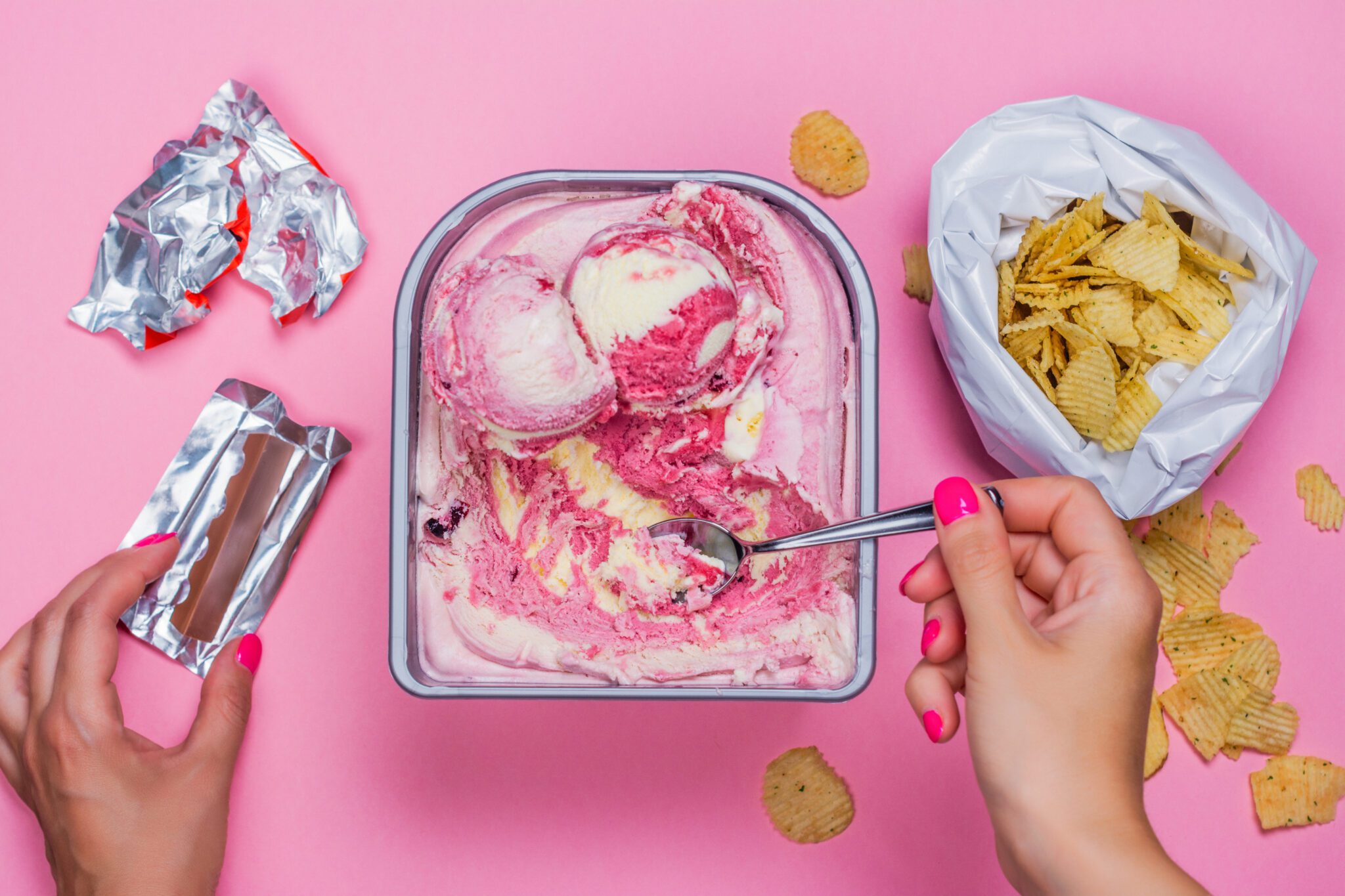
If you are one of the millions of women worldwide who suffer from premenstrual syndrome (PMS) monthly, then this article is for you! PMS affects around 8-20% of women and is much more intense than typical menstruation symptoms. It is caused by an imbalance in hormones that could lead to tiredness, sugar cravings, low mood, irritability, and bloating, which occur roughly every week or two before the start of the monthly cycle.
Here at Broadgate GP, we believe that everyone should know some of the ways PMS symptoms can be reduced using something you do everyday – eating. Your diet can have either a positive or negative effect on PMS symptoms, depending on what you eat. That’s why we’ve put together this handy guide to ensure you’re putting the best food in your body to ease some of the worst symptoms of PMS. For more information, keep reading!
What is PMS?
It’s a common myth that all women get PMS but this isn’t true. While most women will experience mild discomfort in the days leading up to their period, those who suffer with PMS will experience symptoms that can impact their day to day life. PMS has a variety of symptoms – including:
Physical Signs: Which can be cramps, tender breasts, headache, hunger pangs, diarrhoea, constipation, swollen hands and feet, and weight gain. These symptoms tend to pass once your new menstrual cycle begins.
Emotional Signs: PMS can lead to an increase in depression and anxiety, which can lead to mood swings, irritability, outbursts of anger, and feeling overwhelmed. PMS can also cause losses of mental focus, memory loss and a serious lack of energy.
Most commonly, PMS affects people who have had a child, are in their late 20’s to early 40’s, or have suffered with postpartum depression, depression, or bipolar disorder either currently or in the past. Many health professionals don’t know what causes it, but symptoms can get worse if you smoke or drink alcohol excessively.
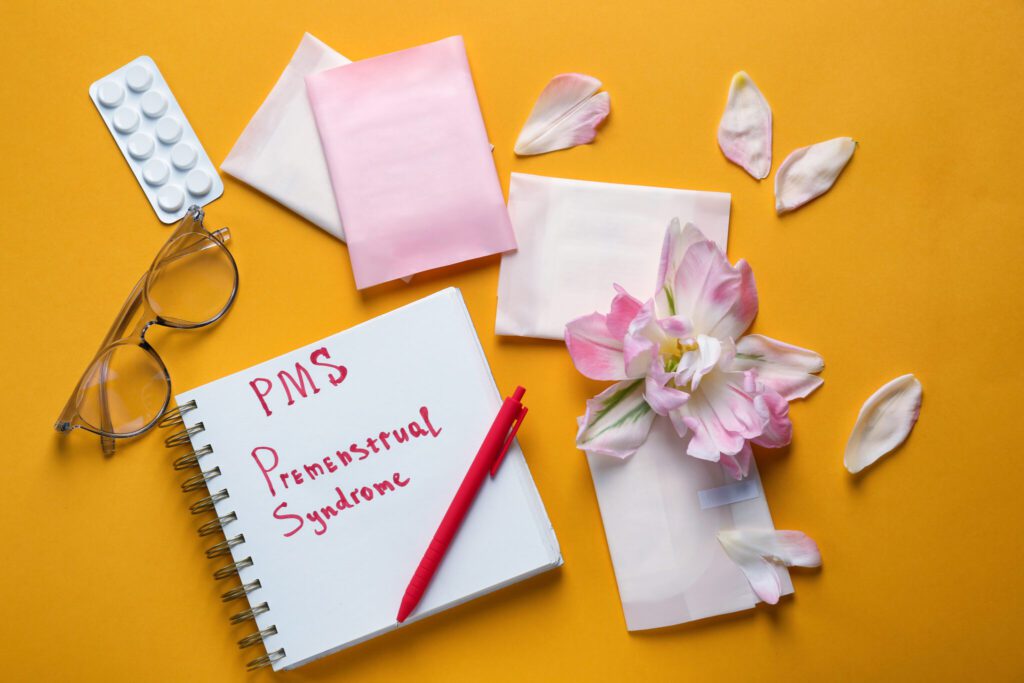
Eating Habits to Ease PMS Symptoms
While the exact cause for PMS is unknown, many medical and dietary experts suggest ways in which your diet can impact symptoms positively – easing pain, bloating, and feelings of sickness. There are many eating habits you can adopt to make these symptoms more manageable so as not to interfere with everyday life.
Eat Plenty of Lean Protein
Protein – as well as fruit, vegetables, and whole grains contain vital vitamins and minerals, such as B-vitamins thiamine and riboflavin, both of which significantly reduce the risk of PMS. Fibre packed fruits and vegetables and whole grains including rye bread, brown rice, and oatmeal are a much more nutritious and direct way to get these essential nutrients without taking a supplement.
Don’t Skip Meals
Many people associate PMS with an increase in appetite and, while this does happen, the opposite can also occur. PMS can leave you feeling bloated and with low appetite which can lead to meal skipping. However, skipping meals can lead to increased irritability and fatigue as blood sugar levels can plummet. To avoid this, have meals at regular intervals and especially don’t skip breakfast.
Increase Calcium Intake
Various studies have shown that women who consume more calcium and vitamin D are less likely to develop PMS. While calcium and vitamin D intake should be higher than a woman’s recommended daily average, the numbers are achievable. To ease PMS symptoms, you should aim to have around 1,200mg daily of calcium (200mg above recommended) and 700 IU of vitamin D (100 IU above recommended) which can be achieved using a combination of supplements and consuming low-fat milk, cheese, and yoghurts.
Monitor Drinking Habits
As we’ve already mentioned, drinking alcohol can worsen the symptoms of PMS as it dehydrates the body. The same can also be said for excessive caffeine consumption, via energy drinks, coffee, or even too much tea. While there isn’t evidence to suggest caffeine or alcohol cause PMS, they can worsen the effects of bloating or breast tenderness.
Avoid Excessive Sugar
Women who suffer from PMS may increase their calorie intake during this period by 200 to 500 calories as their body craves sugary snacks and drinks. This is caused by progesterone and oestrogen levels shifting and leading to a decrease in serotonin in the brain, making you crave a sugary pick me up. However, this can be counter-intuitive as the boost from sugar only lasts a short time and negative effects return when blood sugar returns to normal levels.
Get in touch with Broadgate GP for more information today!
If you suffer with symptoms of PMS and would like more advice on managing the worst of the pain, bloating, and mood swings, get in touch with our friendly team at Broadgate GP today! We offer a range of sexual and reproductive health services, including pregnancy testing and STD testing, and we’re also qualified diet specialists who can advise all the ways to use your diet to combat PMS.
Looking for more great advice? Check out our blogs on Reasons to See A Diet Specialist, How a Balanced Diet Affects Your Health and Well being, and Sexual Health Advice for Women for more information.

