
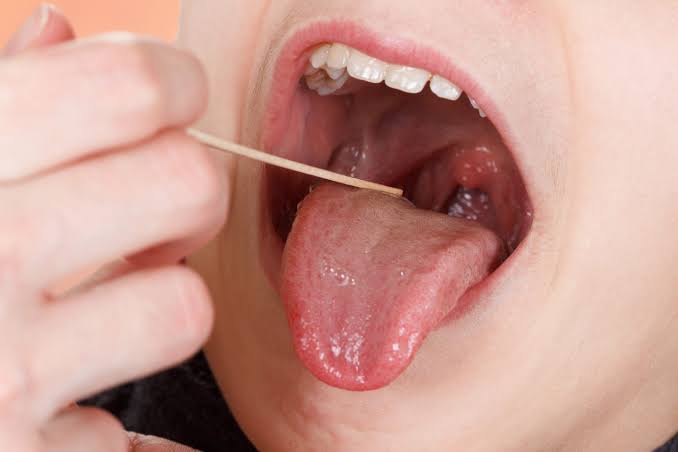
Both conditions affect the same spot at the back of your throat, and both can cause bad breath and discomfort. But tonsil stones and tonsillitis are fundamentally different problems that call for different responses. This guide breaks down what each condition looks like, how it’s treated, and exactly when you should worry.
What You Need To Know
- Tonsil stones (called tonsilloliths) are small, calcified deposits trapped in tonsil crypts. They mainly cause bad breath and a “something stuck” feeling but are generally harmless and often go away on their own.
- Tonsillitis is an active infection of the tonsils-usually viral, sometimes bacterial-that triggers fever, swollen tonsils, and significant throat pain.
- You can often manage tonsil stones with an improved oral hygiene routine and simple home remedies like a warm salt water gargle. Bacterial tonsillitis typically requires antibiotics from a healthcare provider.
- Seek same-day medical review for difficulty breathing, inability to swallow fluids, high fever, or severe one-sided throat pain (possible quinsy/peritonsillar abscess).
- Tonsillectomy is a last-resort surgical option for both frequent tonsil stones and recurrent tonsillitis. The NHS tonsillitis overview provides detailed guidance on when surgery may be appropriate.

Tonsil Stones vs Tonsillitis at a Glance
Many people confuse tonsil stones and tonsillitis because both occur in the same area and can cause a sore throat and bad breath. Here’s a quick comparison to help you tell them apart.
| Feature | Tonsil Stones | Tonsillitis |
| Cause | Debris, bacteria, and dead cells calcify in tonsil crypts | Viral or bacterial infection causing inflammation |
| Main Symptoms | Bad breath, foreign-body sensation, visible small lumps | Severe sore throat, fever, red/swollen tonsils, exudate |
| Contagious? | No | Yes (the underlying pathogen spreads) |
| Typical Duration | Persist until dislodged; can recur chronically | Acute: 3–14 days; may recur |
| Main Treatments | Oral hygiene, gargles, home removal, rarely surgery | Supportive care; antibiotics if bacterial; surgery if recurrent |
Tonsil stones are usually a chronic, localised nuisance. Tonsillitis brings systemic symptoms like fever and fatigue. You may notice symptoms of tonsil stones without having tonsillitis at all.
What Are Tonsil Stones?
Tonsil stones-also called tonsilloliths-are small, hard lumps in tonsils that form when food particles, dead cells, mucus, and plaque bacteria get trapped inside tonsil crypts.
Here’s how tonsil stones form, step by step:
- Food debris and dead cells lodge in a tonsil crypt.
- Oral bacteria and fungi feed on the trapped material.
- The mass compacts over time.
- Minerals like calcium deposit and harden, creating a calcified stone.
A small, discrete white or yellow lump with bad breath is the classic giveaway. Tonsil stones are not the same as pus from an infection, although they can coexist with tonsillitis. Most are grain-of-rice sized, but larger stones can reach several millimetres.
What Is Tonsillitis?
Tonsillitis is inflammation and infection of the tonsils. It is often caused by viral or bacterial infections, affecting both children and adults. Viral tonsillitis (from cold and flu viruses, adenovirus, or Epstein–Barr) accounts for 70–95% of cases and typically resolves on its own. Bacterial tonsillitis-most commonly strep throat caused by Group A Streptococcus-makes up about 5–15% in adults and 15–30% in children aged 5–15.
Classic signs include red, swollen tonsils sometimes covered with white patches of pus, a very sore throat, and pain when swallowing. Tonsillitis causes swollen and sore tonsils alongside systemic symptoms like fever and fatigue.
Tonsillitis can be:
- Acute – a single, short-lived episode
- Recurrent – several throat infections per year
- Chronic – ongoing low-grade symptoms and chronic tonsil inflammation
Symptoms of Tonsil Stones vs Symptoms of Tonsillitis
Symptoms of tonsil stones
- Persistent bad breath (halitosis) due to sulfur-producing bacteria
- A bad taste, often metallic or foul
- Feeling of a foreign body or lump at the back of your throat
- Visible white or yellow deposits on the tonsils
- Mild sore throat or difficulty swallowing only when a stone is large
- Occasional ear pain from referred nerve signals
- Tonsil stones typically do not cause fever or body aches
Many small stones cause no symptoms at all. Tonsil stones can lead to chronic, strong halitosis even when other symptoms are absent.
Symptoms of tonsillitis
- Sudden, severe sore throat
- Red, swollen tonsils dotted with white patches or yellow debris
- Painful swallowing and difficulty eating or drinking
- Fever, headache, fatigue
- Swollen, tender neck glands (lymph nodes)
- Bad breath with an “infected” quality
If you have high fever, feel very unwell, or struggle to swallow fluids, seek urgent medical advice rather than assuming you only have a tonsil stone.
Tonsillitis tends to produce more severe symptoms that come on quickly and affect your whole body, while tonsil stones are a localised issue.
Causes and Risk Factors: Why These Problems Happen
Both conditions start with how tonsils continuously interact with bacteria, viruses, and debris in the mouth and throat-but the pathways diverge.
Tonsil stone causes
- Deep tonsil crypts and large tonsils can trap more debris, leading to stones
- Poor oral hygiene contributes to tonsil stone formation by increasing available plaque bacteria and food particles
- Chronic tonsillitis increases the likelihood of tonsil stones by scarring and deepening crypts
- Sinus issues can increase mucus and contribute to tonsil stones via post-nasal drip
Tonsillitis causes
- Viral exposure (adenovirus, influenza, Epstein–Barr) especially in school-age children
- Bacterial exposure, particularly Group A Streptococcus
- Smoking, reduced immunity, or frequent close contact in crowded settings
Tonsil stones are not usually a sign of serious disease. But recurrent tonsillitis can occasionally lead to complications like quinsy (peritonsillar abscess).
How a Professional Tells Them Apart
Many people can spot tonsil stones themselves, but a healthcare provider or ENT specialist is best placed to confirm the diagnosis and rule out infection.
- Tonsil stones: often diagnosed by visual inspection with a light and tongue depressor. Imaging such as a CT scan may be used if stones are hidden but symptoms persist.
- Tonsillitis: diagnosed through clinical examination of the throat, tonsils, and neck glands, plus a review of symptoms. A throat swab or rapid strep test helps confirm bacterial tonsillitis when suspected. Clinicians often use the Centor scoring criteria to decide whether testing is warranted.
You can have both conditions at once-for example, someone with chronic tonsil stones who develops acute tonsillitis.
Avoid poking aggressively at your tonsils to self-diagnose. You risk damaging delicate tissue and causing bleeding. If you’re unsure, get a professional assessment.
How to get rid of Tonsil Stones
Tonsil stones are generally harmless and often go away on their own. But if they’re causing embarrassment or discomfort, here’s how tonsil stones can be treated.
Home methods
- Gargling with warm salt water several times a day can help relieve tonsil stone symptoms and loosen small lumps
- A low-pressure water irrigator pointed carefully at the tonsil surface
- Coughing, swallowing, or yawning to naturally dislodge stones
- Management of tonsil stones includes gentle removal using a cotton swab to gently push visible stones free-but avoid sharp tools, toothpicks, or aggressive poking
Manual removal of tonsil stones can be done at home, but you should never use anything that could puncture tissue.
Medical and surgical options
- Professional debridement or suction in a clinic
- Laser tonsil cryptolysis or coblation to smooth out crypts and reduce recurrence
- Antibiotics may be prescribed for tonsil stone infections, but not for the stones themselves
- Tonsillectomy is rarely recommended for tonsil stones alone-it’s reserved for very recurrent, large, or severely symptomatic cases
In most cases, removing tonsil stones doesn’t require surgery. A medical professional can help you decide the right approach.
How to get rid of Tonsillitis
Tonsillitis treatment depends on whether the cause is viral or bacterial, and on symptom severity.
Viral tonsillitis
- Rest, adequate fluids, soft foods
- Over-the-counter pain relief (ibuprofen, acetaminophen) and throat lozenges
- Cool or warm drinks; avoid irritants like smoking
Treatment for tonsillitis may involve rest, hydration, pain relievers, and antibiotics if bacterial infection is confirmed-but antibiotics won’t help viral cases.
Bacterial tonsillitis
- A doctor will prescribe antibiotics, typically penicillin or amoxicillin for strep throat
- Completing the full course prevents complications like rheumatic fever
Red flags in tonsillitis requiring urgent care
- Difficulty breathing or noisy breathing
- Drooling or inability to swallow fluids
- Severe one-sided throat pain suggesting quinsy
- Very high fever or signs of dehydration
A tonsillectomy may be considered for recurrent tonsillitis. NHS/SIGN criteria suggest surgery when a patient has 7+ episodes in one year, 5 per year for two consecutive years, or 3 per year for three consecutive years-each episode disabling enough to affect work or school.
How to Reduce Future Problems
How to prevent tonsil stones
A thorough oral care routine is your strongest defence:
- Brush your teeth at least twice daily to reduce plaque bacteria
- Floss at least once a day to remove trapped debris between teeth
- Clean your tongue regularly-use a scraper or a toothbrush with a tongue cleaning mode
- Gargle with saltwater after meals to reduce bacteria
- Drink plenty of water to help prevent tonsil stones by keeping saliva production up and mucus thin
- Quit smoking to reduce the risk of tonsil stones
Good oral hygiene can help prevent tonsil stones, but if your crypts are naturally deep, stones may still form. A healthy mouth simply reduces the raw material available for calcification.
How to reduce tonsillitis risk
- Wash hands frequently and avoid close contact with people who have active throat infections
- Don’t share cups, utensils, or toothbrushes
- Manage allergies and nasal congestion to reduce post-nasal drip irritation
Removing tonsils is the only guaranteed way to prevent both conditions-but surgery carries risks and is reserved for persistent, severe cases.
Oral Hygiene Routine and Helpful Home Remedies
An effective oral hygiene routine is one of the simplest tools to manage tonsil stones and support recovery from tonsillitis.
Daily routine checklist
- Brush for 2 minutes twice a day with fluoride toothpaste, focusing on the gumline and back molars
- Gently brush or scrape your tongue to remove bacterial coating and neutralise bad breath
- Floss or use interdental brushes nightly
- Rinse with an alcohol-free mouthwash once daily
Evidence-based home remedies
- A warm salt water rinse (half a teaspoon of salt in a glass of warm water) gargled for 15–30 seconds
- Steam inhalation or a humidifier to thin mucus if nasal congestion is a trigger
- Drink plenty of water throughout the day to maintain saliva flow
Home remedies should never replace medical advice when you have significant pain, fever, or suspect tonsillitis. They complement professional care.
When to See a GP or Healthcare Provider
Most tonsil stones and many mild cases of tonsillitis can be managed safely at home. But certain signs mean it’s time to act.
Non-urgent reasons to book an appointment
- Frequent or bothersome tonsil stones despite good oral hygiene
- Bad breath that doesn’t respond to an improved oral care routine
- Recurring sore throats or suspected recurrent tonsillitis
Urgent or emergency red flags
- Difficulty breathing or noisy breathing
- Inability to swallow saliva or severe symptoms on one side
- High fever, rigors, or feeling acutely very unwell
Keep a log of symptom frequency-how often you have tonsillitis in a year, how regularly tonsil stones appear. This data helps an ENT specialist decide whether surgical options like tonsillectomy are worth discussing, or whether conservative measures should continue.
If you are in Central London and would like expert assessment or rapid GP access, Broadgate General Practice provides same-day GP appointments and can help with diagnosis and treatment of both tonsil stones and tonsillitis. For full details or to book, see the Broadgate GP private GP services page.
FAQs
Can I safely remove tonsil stones myself at home?
Small tonsil stones may come loose through coughing or gargling with warm salt water. Avoid digging them out with fingers, cotton buds or sharp objects, as this can cause bleeding or infection. See a GP if they are large, painful or keep returning.
Do tonsil stones mean I have poor oral hygiene?
Not necessarily. Poor oral hygiene can increase the risk, but tonsil stones can also develop because of deep tonsil crypts or recurrent tonsillitis. Regular brushing, flossing and mouth care may help reduce them.
Are tonsil stones dangerous or linked to throat cancer?
Tonsil stones are usually harmless and are not known to cause throat cancer. Persistent one-sided throat pain, a neck lump, unexplained weight loss or ongoing hoarseness should be checked by a doctor.
Can children get tonsil stones?
Yes, although tonsil stones are more commonly noticed in teenagers and adults. Children are more likely to experience tonsillitis, so persistent sore throats, bad breath or visible white spots should be assessed by a healthcare professional.
Will removing my tonsils stop tonsil stones and tonsillitis?
A tonsillectomy removes the tissue where tonsil stones and tonsillitis develop, so it can prevent them recurring. However, you can still experience other types of sore throat, and surgery is normally only considered for persistent or severe problems.
Can tonsil stones cause a sore throat?
They can. Larger tonsil stones may cause throat irritation, discomfort when swallowing or the feeling that something is stuck in your throat. Severe throat pain or fever is more suggestive of an infection such as tonsillitis.
When should I see a GP for tonsil stones or tonsillitis?
See a GP if symptoms are severe, persistent or keep returning. Seek urgent medical advice if you have difficulty breathing or swallowing, a very high temperature, or severe pain and swelling on one side of the throat.

