- Centrally Located: 65 London Wall Near Liverpool Street

- Centrally Located: 65 London Wall Near Liverpool Street
- 020 7638 4330
- doctor@broadgategp.co.uk
Visit our practice in London near Liverpool Street, call 020 7638 4330 or book an appointment online.
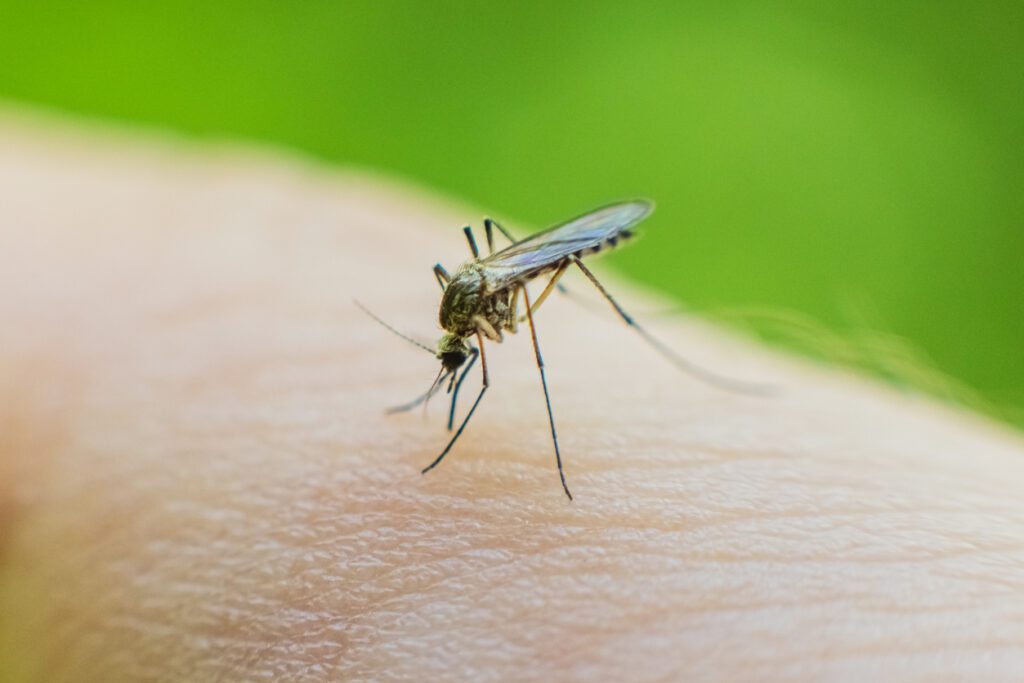
Symptoms of malaria can develop as quickly as seven days after being bitten by a mosquito that is infected with the malaria virus. The typical incubation period is around 7 to 18 days before malaria symptoms will show. It’s important to visit a doctor if you think you might have malaria.
Common and initial symptoms of malaria are typically similar to that of the flu. Some of the most common symptoms of malaria include:
If you’re experiencing flu-like symptoms then it doesn’t mean you have malaria. However, if you’ve been visiting a high-risk area and you’re experiencing any of the initial symptoms of malaria then it’s always best to go and get checked by a doctor. It’s important to remember that malaria can be difficult to spot especially when you don’t realise you’ve been bitten. Depending on the strain of malaria you have been infected, the bouts of feverish malaria symptoms will usually occur at 28-hour intervals. These bouts will usually last anywhere between 6-12 hours.
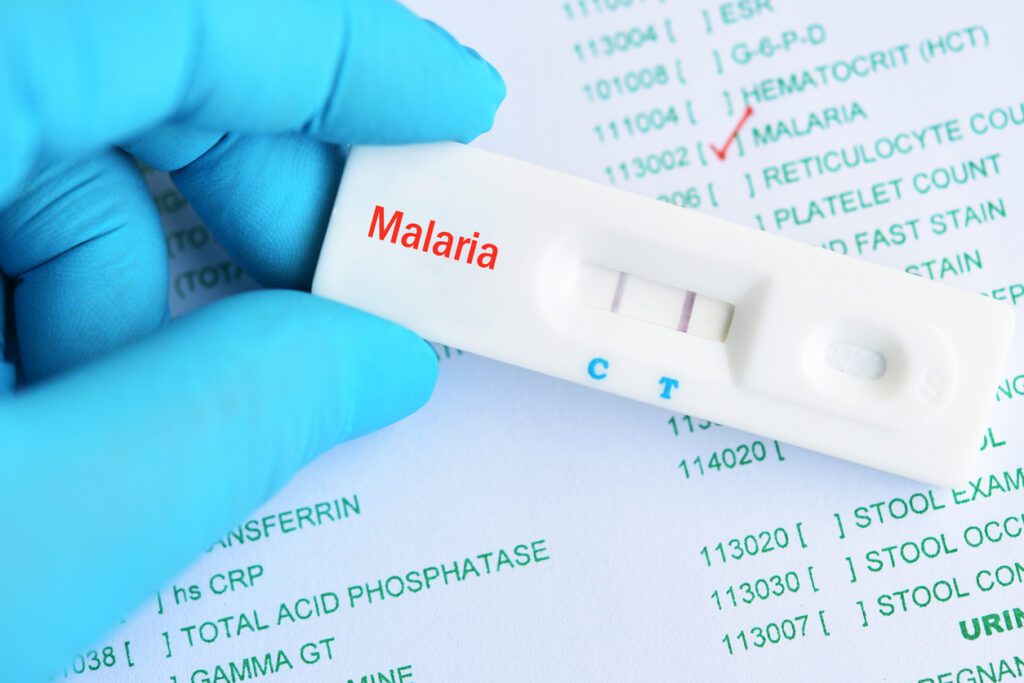
Once diagnosed by a doctor at a clinic, you will either be classified as uncomplicated or with a severe malaria infection. Cases of uncomplicated malaria are typically quite easy to treat. Severe malaria usually requires more aggressive treatment and the virus can lead to a range of malaria complications. Some complications of malaria are:
As well as the common and initial symptoms listed above, there are also other symptoms of malaria to watch out for including:
Whether you’re a walk-in patient or you book an appointment with us, our team will provide a friendly service and we’ll ensure you receive some of the highest standard of private health services in the London area.
Malaria can be a very serious disease, and life-threatening condition that affects the blood. It’s caused by parasites bring passed into the human bloodstream by infected mosquitoes. As soon as a malaria-infected mosquito bites a human it transmits the virus.
The viral parasites then attack the liver; the infection then goes on to attack and destroy the red blood cells in the body. The infected mosquitoes carry the Plasmodium parasite. Malaria is most commonly found in tropical and subtropical climates. It’s estimated that around 3.2 billion people worldwide are at risk of contracting malaria.
People develop malaria when they are bitten by a mosquito that has been infected with the Plasmodium parasite. If a pregnant lady is infected then she can pass the infection onto her newborn baby. This is known as congenital malaria. Malaria is transmitted through blood so it can be transmitted through a number of ways including:
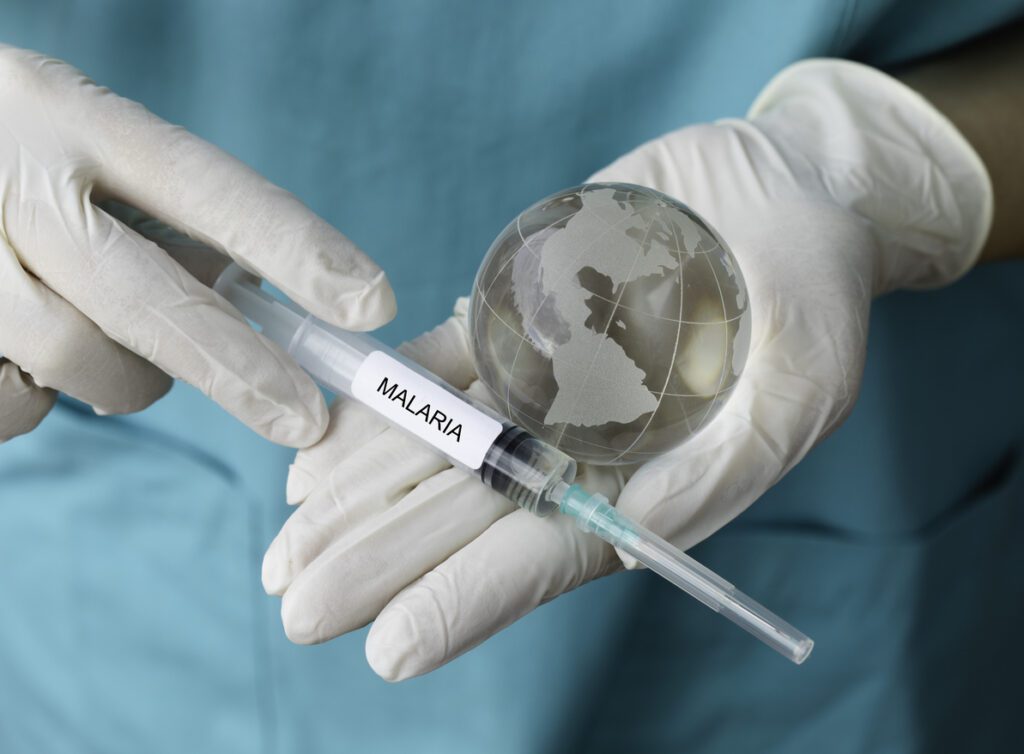
There are hundreds of countries where there are high risks of malaria. It’s important to visit a travel clinic before going abroad to ensure you have the appropriate protection against malaria. Some of the most at-risk areas include:
All doctors will be able to diagnose malaria. Should you display any symptoms and if you’ve been in a high-risk area then it’s important to visit your nearest healthcare facility. During your appointment, an exam will be carried out to determine the number of things such as:
Whether or not you have malaria
The type of malaria you have
If the infection is resistant to drugs
If anaemia has set in
To see if your organs have been affected
Malaria can be a severe and life-threatening condition especially when it isn’t treated. Medication will be prescribed depending on the type of parasite you’re infected with. In some cases, the medication will simply not clear up the infection. If this does happen then the doctor may use other treatments or multiple medications to help clear up the malaria strain you’ve been infected with.
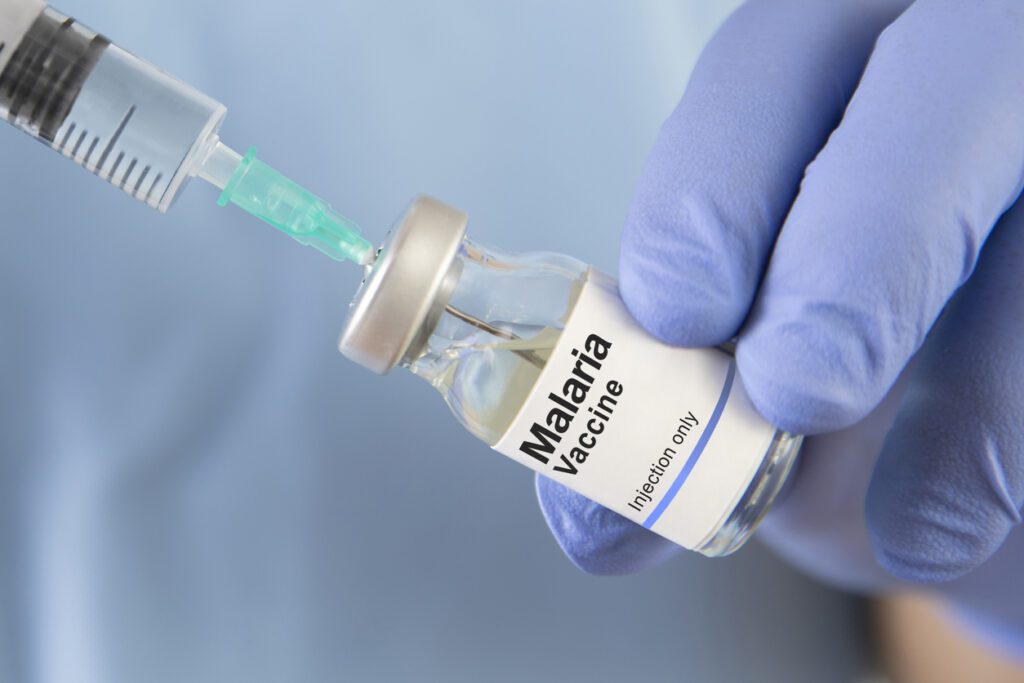
Falciparum Malaria, caused by the Plasmodium falciparum parasite, is the most severe form of malaria that can infect humans. It’s distinguished by its aggressive attack on the red blood cells, leading to significant health complications. This strain is notorious for its rapid progression to severe illness, making early diagnosis and treatment crucial.
When the Plasmodium falciparum parasite enters the bloodstream, usually through a mosquito bite, it travels to the liver, multiplying and invading the red blood cells. The destruction of these cells can lead to anaemia, organ failure, and, in some cases, cerebral malaria, a condition that swells blood vessels in the brain and can slip patients into a coma. The severity and high risk of complications associated with Falciparum Malaria underscore the importance of effective prevention and treatment strategies.
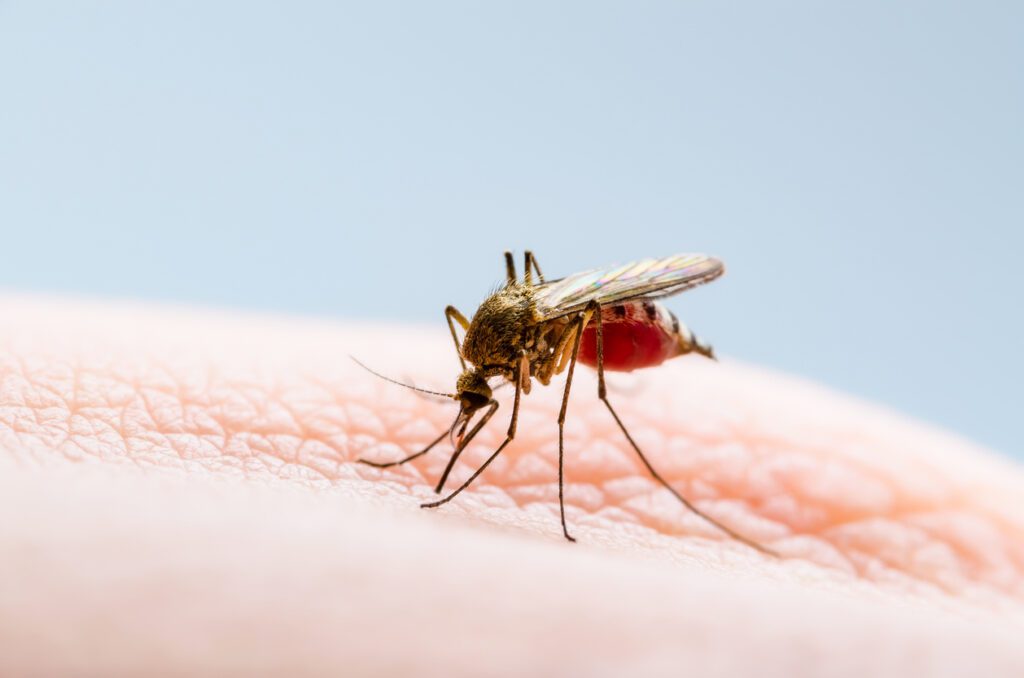
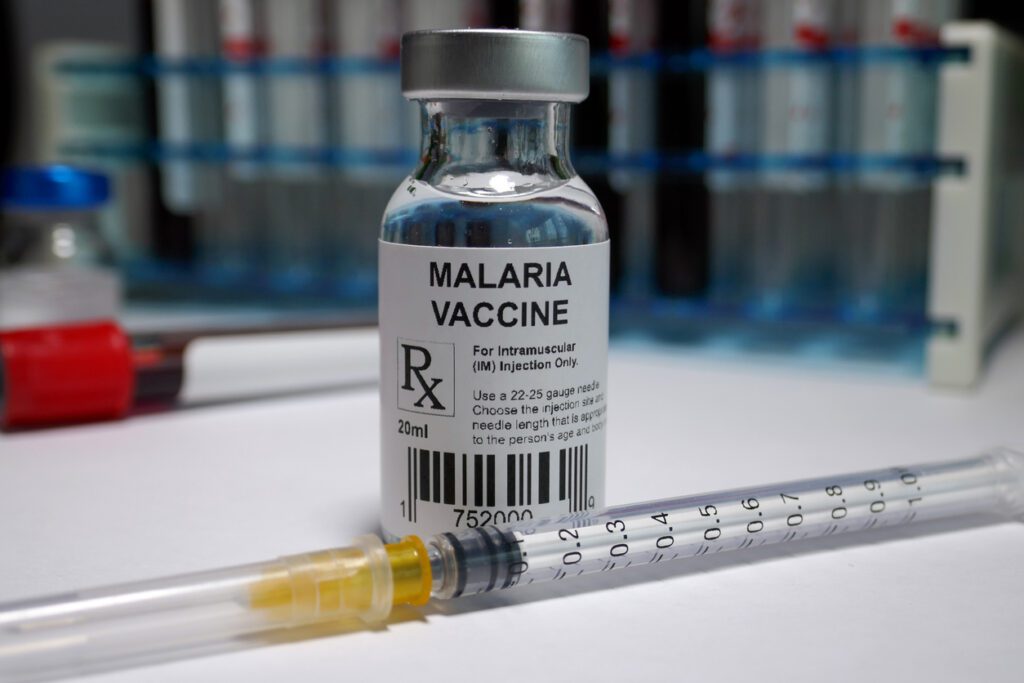
The development of malaria vaccines has been a critical area of research in the fight against this disease. Malaria vaccines aim to prevent the malaria parasites from establishing infection or to control the spread of the parasites in the blood, thereby mitigating the severity of the disease. These vaccines trigger the immune system to recognise and combat the parasites.
Recent advancements have shown promise, offering hope in reducing the incidence of malaria infections and, consequently, malaria deaths. The effectiveness of these vaccines varies, with some targeting specific strains like Plasmodium falciparum. The continuous evolution of malaria parasites presents a significant challenge, making ongoing research and development essential in the quest for more effective and broadly protective vaccines.
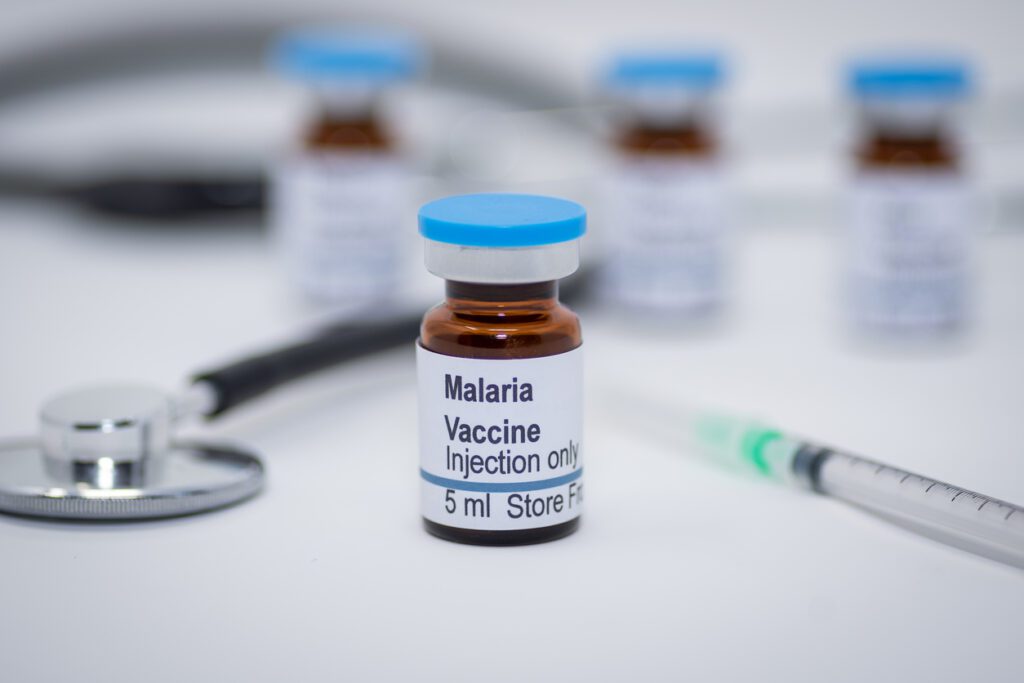
Malaria remains a significant public health challenge, especially in tropical and subtropical regions. Malaria parasites, transmitted by infected mosquitoes, pose a substantial threat to public health, leading to high rates of morbidity and mortality. Efforts to reduce malaria deaths have focused on improving access to effective treatment, increasing preventive measures such as insecticide-treated mosquito nets, and enhancing public health campaigns for early diagnosis and treatment.
In addition, global initiatives aim to bolster healthcare systems in malaria-endemic areas to ensure timely and effective treatment. The focus has also been on educating communities about the importance of preventive measures and seeking medical attention at the onset of symptoms. These combined efforts have shown success in some regions, yet the battle against malaria, particularly against strains like Falciparum Malaria, continues to be a priority in global health.
For maximum convenience, those who live and/or work in London can call in at a time of your own choosing to the walk-in clinic at Broadgate GP London. Alternatively, you can always get in touch with us and we’ll arrange an appointment for you on a day and at a time that suits you.
If you're suffering from any type of health problem and you're based in the Central London area, then be sure to book an appointment with a GP.
We are a Private GP, therefore there is a charge for every appointment booked, to be paid on the day. Broadgate GP can only take appointments for patients
AGED 18 AND ABOVE.

Are you looking for a new website? Contact Outrank Today
