

Oral STD symptoms can develop soon after receiving oral sex or performing oral sex with a partner who has a sexually transmitted infection. These symptoms may involve the throat, tongue, lips, gums, or tonsils, and are often mistaken for everyday conditions such as colds or minor irritation. Recognising STD in mouth symptoms early helps reduce health risks and the spread of sexually transmitted infections (STIs).
This comprehensive guide explains the main oral STD symptoms, details what oral STDs look like, and discusses how these symptoms differ from standard illness. If you notice persistent sore throat after oral sex, swollen tonsils, ulcers, white spots, or any unusual changes, get prompt advice from a healthcare provider.
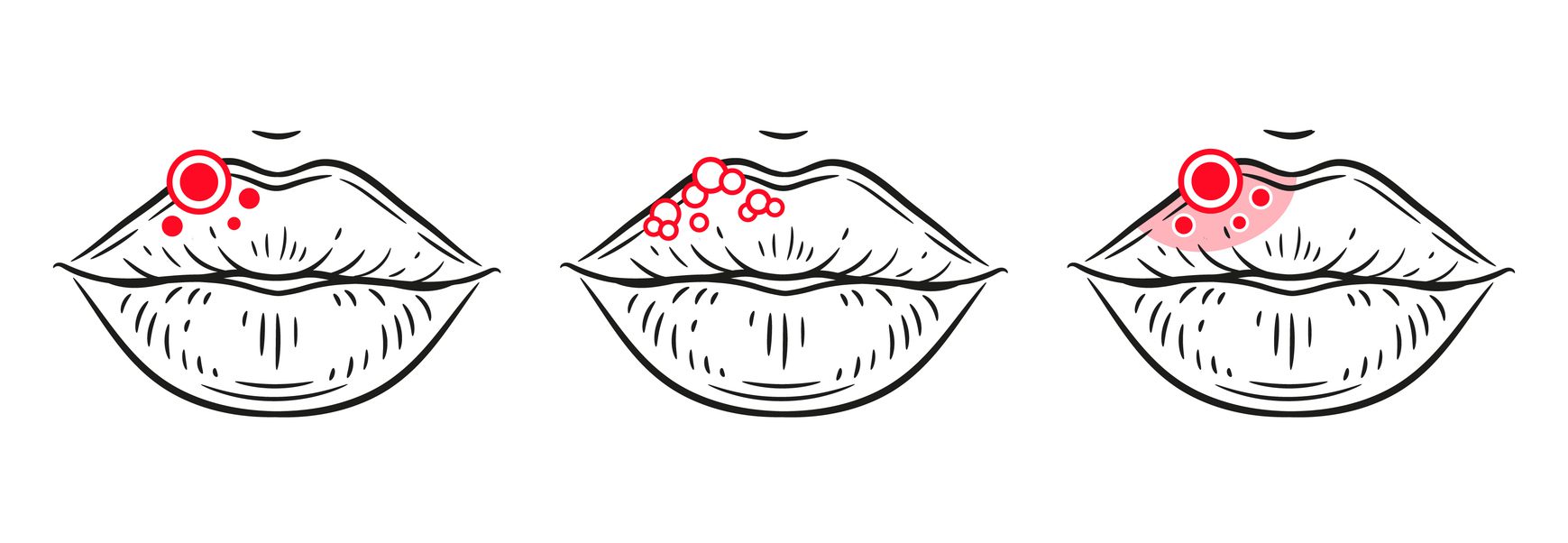
What Causes Oral STDs and How Are They Transmitted?
Oral STDs, sometimes called oral STIs, are sexually transmitted diseases passed through oral sex, either by giving oral sex, receiving oral sex, or direct contact with an infected partner. Unprotected oral sex is the most common route, especially when there are open wounds, ulcers, or gum disease, as these create entry points for infection. Both the person giving oral sex and the person receiving oral sex are at risk.
Saliva, genital fluids, and mucous membranes all contribute to sexual transmission. The most common infections include oral chlamydia, oral gonorrhoea, herpes simplex virus (cold sores and ulcers), human papillomavirus (HPV), syphilis, hepatitis A and B, and, less frequently, HIV infection.
You can learn more about sexual activities and risk reduction from the NHS sexual health resources.
Early Signs of an Oral STD
Oral STD symptoms usually first appear as a sore throat that is slow to resolve, pain on swallowing, or a burning sensation in the mouth. Additional early indicators include:
- Swollen glands or swollen lymph nodes in the neck
- White patches or ulceration on the tonsils (sometimes called “STD white spots on tonsils”)
- Bumps or irritation on the tongue, known as “STD tongue bumps”
- Blisters, ulcers, or swelling on the lips (“STD on lips”)
- Red or yellow patches at the back of the throat
- Bumps, white or yellow coating, or swelling on the tongue (“sti on tongue”)
These symptoms often develop shortly after oral sex, making timing an important clue. Noticeable symptoms should lead you to consider STD testing, even if your partner has no signs of infection.
Oral STDs: A Detailed Symptom and Infection Guide
Oral Chlamydia Symptoms
Oral chlamydia is a sexually transmitted infection caused by the bacterium Chlamydia trachomatis. Pharyngeal chlamydia trachomatis typically presents with mild symptoms or none at all. When oral chlamydia symptoms appear, they most commonly include:
- Persistent sore throat or throat pain
- Mild fever or fatigue
- Swollen or red tonsils, sometimes with white spots
- Red patches or white patches at the back of the mouth
- Occasional mouth ulcers or discomfort in the throat
A sore, coated tongue or minor swelling may also occur. If left untreated, oral chlamydia can contribute to other infections or health problems. Read more about the infection at the NHS chlamydia overview.
Oral Gonorrhoea Symptoms
Gonorrhoea infection, caused by Neisseria gonorrhoeae, can be passed through oral sex and usually affects the throat. Common oral std symptoms related to gonorrhoea are:
- Painful or sharp sore throat (“std throat pain”)
- Red, swollen tonsils, often with white, yellow, or pus-like spots
- Bad taste in the mouth
- Swollen glands or lymph nodes in the neck
- White or yellow coating on the tongue
Symptoms often resemble strep throat but do not improve with standard remedies. Untreated gonorrhoea increases risk for other infections. Learn more about this infection at the NHS gonorrhoea page and our gonorrhoea symptoms and treatment overview.
Herpes Simplex Virus and Oral Herpes
Oral herpes results from infection with the herpes simplex virus (HSV-1 or HSV-2). Oral std symptoms in this case commonly include:
- Painful, itchy, or burning blisters on the lips, gums, or inside the mouth
- Ulcers or small round sores that may burst and scab over (cold sore/ulcer)
- Sore throat and difficulty swallowing if affecting the throat or tonsils
Systemic symptoms like fever and fatigue may occur, especially in primary outbreaks. Herpes is chronic; the virus cannot be cured, but medication can reduce flare-ups and manage symptoms.
Human Papillomavirus (HPV) and Genital Warts in the Mouth
HPV is a group of viruses that can cause wart-like lesions in the oral cavity or anus warts:
- Small, flesh-coloured or white bumps on the lips, tongue, or throat
- Occasional discomfort or mild soreness in the mouth
HPV infection increases the risk of oral cancer and cervical cancer, so early diagnosis is vital. Some strains cause painless sores while others have no symptoms. Many people carry HPV with no visible signs.
Syphilis and Its Mouth Symptoms
Syphilis can produce very recognisable oral std symptoms, especially:
- A single, firm, round and usually painless sore (chancre) on the lips, tongue or gums
- Swollen lymph nodes
- Redness or mild discomfort in the mouth
Secondary syphilis can result in red or white patches, wart-like lesions, or enlarged nodes in the neck. A painless sore in or around the mouth should not be ignored.
HIV Infection and Oral Manifestations
HIV infection suppresses the immune system, leading to increased risk for other infections and oral STIs. Early signs may include:
- Persistent sore throat or oral ulcers that do not heal
- White patches or thrush-like appearance on the tongue or mouth
- Swollen glands in the neck
More advanced illness can bring opportunistic infections or severe cases of mouth ulcers.
Hepatitis A and B
These viral infections can be transmitted through oral-anal sexual contact. Symptoms largely involve the digestive system, but oral signs include:
- Sore throat or mouth discomfort
- Mild fever
- Swollen tonsils or white patches (rare)
Discussing symptoms and risks with a healthcare provider ensures early diagnosis and timely treatment.
What Do Oral STDs Look Like? Pictures and Visual Clues
Oral STD symptoms have a range of appearances:
- White spots on tonsils or throat (gonorrhoea, chlamydia, or syphilis)
- Small red or white bumps on the tongue (“std on tongue”)
- Blisters, ulcers, or crusts on the lips (“std on lips”)
- Large red patches on the cheeks, gums, or palate
- Persistent swelling or ulceration of the mouth or throat
Unusual discharge, burning sensation, and open wound ulcers may also occur. STD mouth ulcers tend to be firmer and slower to heal than standard mouth ulcers.
How Soon Do Oral STD Symptoms Show Up?
The incubation period for oral STD symptoms varies by infection:
- Oral chlamydia: 1–3 weeks after exposure
- Gonorrhoea infection: 1–14 days
- Herpes simplex virus: 2–12 days for first-time infections
- HPV: weeks to months, often remains silent for long periods
- Syphilis: 10–90 days (average 3 weeks)
- HIV virus: 2–6 weeks (but mouth symptoms may appear later)
It’s possible to be infected and have no symptoms at all. This is why regular testing is crucial if you have new partners, engage in unprotected oral sex, or notice symptoms.
How Are Oral STDs Diagnosed?
Clinical examination alone is rarely sufficient. Reliable diagnosis requires:
- Throat swab for bacterial infection (such as gonorrhoea or chlamydia)
- Blood tests for syphilis, HIV infection, and hepatitis B
- Swabs of sores or ulcers for herpes simplex virus or HPV
If you notice symptoms or have engaged in sexual activity with an infected partner, see your GP or a sexual health clinic as soon as possible. Early diagnosis leads to more successful treatment. You can also book private STD testing in London.
Can Oral STDs Go Away on Their Own?
Some bacterial infections, such as chlamydia and gonorrhoea, may temporarily improve but will not clear fully without antibiotics. Syphilis requires penicillin injection. Herpes symptoms can be managed with antiviral medication, but the virus remains in your system. HPV warts can be treated, though the infection itself cannot be cured.
Symptoms may fade, giving a false sense of security, while the infection remains active. Untreated infections carry an increased risk of complications and can be passed to sexual partners.
Oral STD Complications If Left Untreated
Leaving oral STDs untreated can cause:
- Ongoing infection in the throat and mouth
- Swollen tonsils, persistent sore throats, painful swallowing
- Spread of infection to sexual partner(s)
- Increased risk for opportunistic infections and other STIs
- In rare cases, association with oral cancer (especially with high-risk HPV)
- General health problems related to immune system suppression
Who Gets Oral STDs? Risk Factors
Several factors increase the risk:
- Engaging in unprotected oral sex with new partners
- Multiple or anonymous sexual partners
- Sexual contact with an infected partner
- Existing mouth ulcers or gum disease
- Being the person giving oral sex or receiving oral sex from a partner with an active infection
Mutually monogamous relationships with full testing lower effective risk, but even then, some oral STIs can be present without symptoms.
How to Prevent Oral STDs
- Use barrier methods (condoms or dental dam) during oral sex
- Do not engage in oral sex when you or a partner have cold sores, ulcers, or signs of gum disease
- Regular testing after unprotected oral sex or with new partners
- Vaccination for HPV and hepatitis B
- Good oral hygiene to reduce entry points for infection
For practical prevention advice (including how to make a dental dam from a condom), see NHS guidance on reducing sex risk.
When to See a Healthcare Provider
Contact a GP or sexual health clinic if you:
- Develop a persistent sore throat after oral sex or performing oral sex
- Notice swollen tonsils, white patches, or redness that do not resolve
- Find bumps, blisters, or ulcers on your tongue or lips
- Experience swollen glands in the neck
- Have recurrent mouth ulcers, burning sensation, or pain during swallowing
- Recently had unprotected oral sex or started a new relationship
Swollen tonsils, white spots, or persistent pain should always prompt assessment. Most oral STDs are easier to treat in the early stages and reduce the risk of onward sexual transmission.
Diagnosis and Treatment of Oral STDs
Once diagnosed, most oral STDs can be managed effectively:
- Gonorrhoea, chlamydia, syphilis, and trichomoniasis: treated with antibiotics
- Herpes simplex virus: managed with antivirals to control outbreaks
- HPV warts: treated with topical agents, removed by your healthcare provider
- Hepatitis B: managed under specialist care
- HIV infection: antiretroviral therapy is vital
Follow-up testing is important to ensure treatment success. Tell your sexual partner(s) so they can seek medical advice and reduce further sexual transmission.
Regular Testing and Sexual Health
Regular testing plays a critical role in disease control and prevention. Screening is essential even in the absence of symptoms, as many oral STIs are symptomless. If you have multiple or new partners, request testing for oral and genital infections as part of your routine sexual health practices.
A dental professional may help identify oral std symptoms during routine check-ups, so keep your dentist informed of any changes or discomfort in your mouth and throat.
Additional Help and Resources
If you need testing, Broadgate GP offers discreet consultations and fast testing.
STDs About Oral STDs
Which STDs affect the mouth?
Common oral STDs include chlamydia, gonorrhoea, herpes simplex virus, HPV, syphilis, and rarely, HIV and hepatitis A/B. These can present with mouth sores, ulcers, throat pain, and swollen glands.
How soon do oral STD symptoms show up?
Oral STD symptoms can appear anywhere from 1–3 days (herpes) to several weeks (syphilis or HPV) after exposure. Sometimes symptoms never appear.
Can mouth STDs go away without treatment?
Bacterial infections like chlamydia and gonorrhoea need antibiotics; they do not go away on their own. Viral infections such as herpes or HPV may improve, but the virus remains in your system.
How can you tell if you have oral chlamydia?
Most people have mild or no symptoms, but persistent sore throat, red or white patches on the tonsils, and mild fever may indicate oral chlamydia.
Can you get an STD from giving or receiving oral sex?
Yes, STDs including chlamydia, gonorrhoea, and herpes can be contracted from both giving oral sex and receiving oral sex, particularly if protection is not used.
Are there STDs that have no symptoms?
Yes. Many oral STDs can be symptomless. This underlines the importance of regular testing, especially with new or multiple partners.
Do you offer throat swab testing for oral STIs at Broadgate GP?
Yes. We offer throat swabs for gonorrhoea and chlamydia, plus swabs of sores for herpes where appropriate. Blood tests are available for syphilis, HIV and hepatitis B.
How quickly will I get my oral STI results from Broadgate GP?
Most results are available the same day, with a typical window of up to 72 hours depending on the tests performed.
Can I book a same day appointment near Liverpool Street?
Yes. Our City of London clinic near Liverpool Street offers same day appointments and a walk-in service during opening hours.
Is testing and treatment confidential at Broadgate GP?
Absolutely. Consultations, test results and treatment are handled discreetly and confidentially by our clinical team.

