

Having a Blood Transfusion? Here’s Everything You Need to Know
While you might hear or read the words blood transfusion and panic, there really is no need to do so. A blood transfusion is a common and safe procedure whereby donated blood is provided to you through a cannula (a narrow tube) that is inserted into a vein in your arm.
A blood transfusion can be a life saving procedure, and while it may sound scary it really isn’t. At Broadgate GP, have asked our resident GP to give us the answer to some frequently asked questions about blood transfusions.
Why Are Blood Transfusions Carried Out?
The procedure can be carried out for a number of reasons. The most common reason is that the patient has a shortage of red blood cells. You can have low red blood cells because either your body isn’t producing enough or you have lost blood through injury. Some of the reasons we see individuals undergo a transfusion are:
- The patient has a condition that affects the way red blood cells work – this could be something like Sickle Cell Anaemia
- Types of cancer and cancer treatments can affect the condition of the red blood cells
- Severe bleeding means you have lost too many red blood cells – this can occur from trauma and even childbirth
The procedure can replace blood that you may have lost or the liquids found in blood, these included red blood cells, plasma and platelets.
What Are The Risks of a Blood Transfusion?
Many blood transfusions take place without any complications, although there are some risks involved, however risk is involved with any procedure. The very small risk of complications includes; allergic reaction to the blood you receive, a problem with your heart, lungs or immune system. All of the risks involved with a blood transfusion will be discussed with you by your doctor or specialist nurse.
All blood bank donations are screened before they are given to a patient for blood borne infections such as hepatitis or HIV. You can rest assured that if you are in need of a blood transfusion the donor blood will be free from infection and the procedure is safe.
What Happens During a Blood Transfusion?
Before you undergo a blood transfusion the medical procedure will be explained to you in detail and you will have to sign a consent form, unless of course, you are in an emergency situation whereby you cannot give consent.
Your own blood will be tested before the procedure too, to ensure you are given donor blood that is compatible with your own. The blood test will check to see if your blood type is A, B AB, or O and whether you are rhesus negative or positive.
During the Procedure
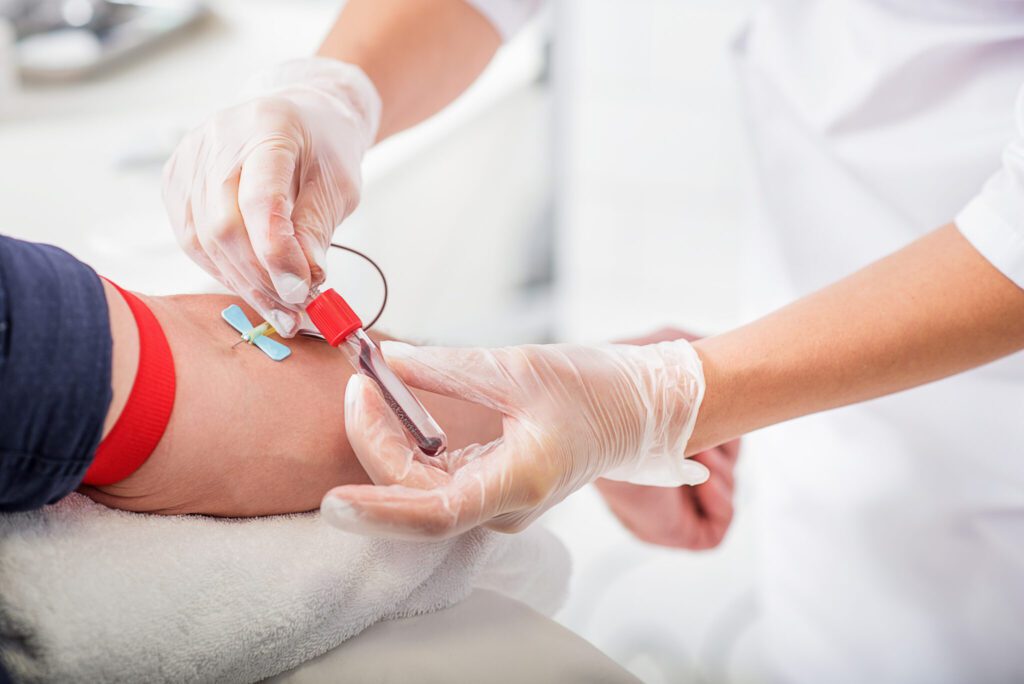
When you are undergoing a blood transfusion you will need to lie on a bed or sit on a chair. An intravenous (IV) line will be inserted into one of the veins (usually in your arm). The nurse will check your details against the blood request form. The donated blood will be hooked up to the IV line and the blood will enter your bloodstream. It can take up to 4 hours to receive one bag of blood, but the procedure is usually quicker than this.
Throughout the procedure a nurse will monitor your baseline observations, these are your blood pressure, pulse, respiration rate, and temperature. The nurse should be informed if you develop:
- Fever
- Shortness of breath
- Chills
- Back or chest pain
- A sense of uneasiness or impending doom
After the Procedure
After the procedure the nurse will monitor your baseline observations, if all is well you should be able to go home shortly after the blood transfusion, unless you need a fair amount of blood. You may develop a bruise around the site where the needle was inserted into your vein. It is essential that if you develop shortness of breath or back and chest pain in the days immediately after the procedure that you contact your doctor.
How Does a Blood Transfusion Make You Feel?
In short, a blood transfusion shouldn’t make you feel any different. You may feel a sharp scratch when the needle pierces your skin. If you do start to develop any of the symptoms listed above, make sure you let the nurse who is looking after you know.
Is There an Alternative to a Blood Transfusion?
Trust us when we say, a blood transfusion will only be carried out if absolutely necessary and if there are no other options, or if the other options have already been tried and tested. In some cases, for example if you are having planned surgery you may be able to avoid a blood transfusion by: lowering your risk of bleeding by taking tranexamic acid, OR take iron tablets/liquid to boost the number of red blood cells in your body. Although these methods are not guaranteed to stop you needing a blood transfusion, they can reduce the chances of you needing to undergo the procedure.

