
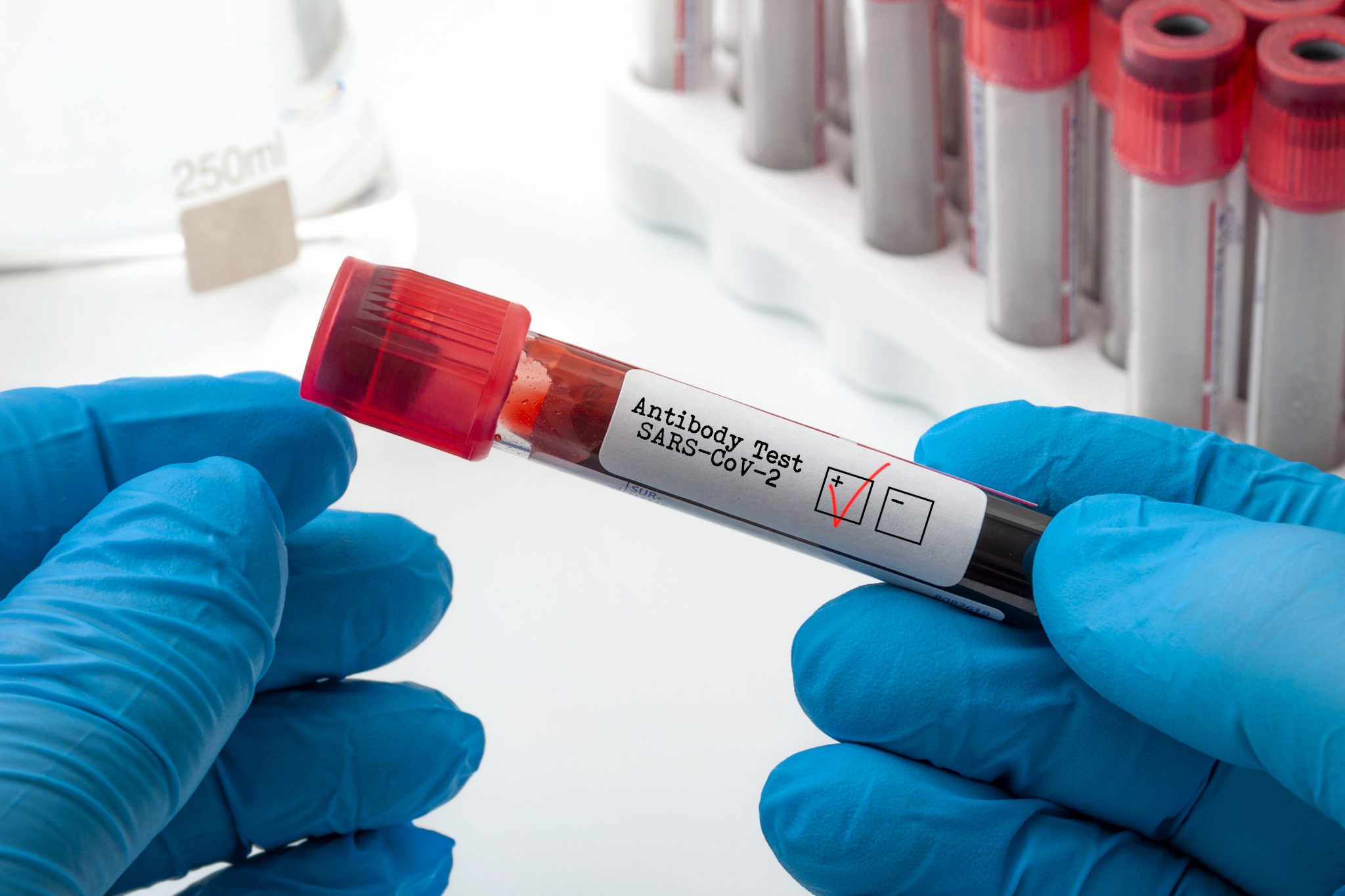
The ongoing global pandemic of Covid-19 underway since late 2019 and 2020. As a result, the world is experiencing lockdowns and significant modifications to daily life, leading to the tragic loss of many innocent lives.
Viruses constantly change and evolve, unlike those of other organisms. When they mutate into far different entities from the original, they are called “variants.” one of the variants from the coronavirus is the variant Omicron. This article will go over all the information we have on Omicron at this time.
The following section is information directly from the WHO (world health organisation) website, explaining to you what the omicron variant is, what makes the omicron different from other variants, and what is done to gather more information about the omicron variant.
Here at Broadgate GP, we offer a range of services related to Covid-19 including Coronavirus Home Testing and Coronavirus Antibody Home Testing.
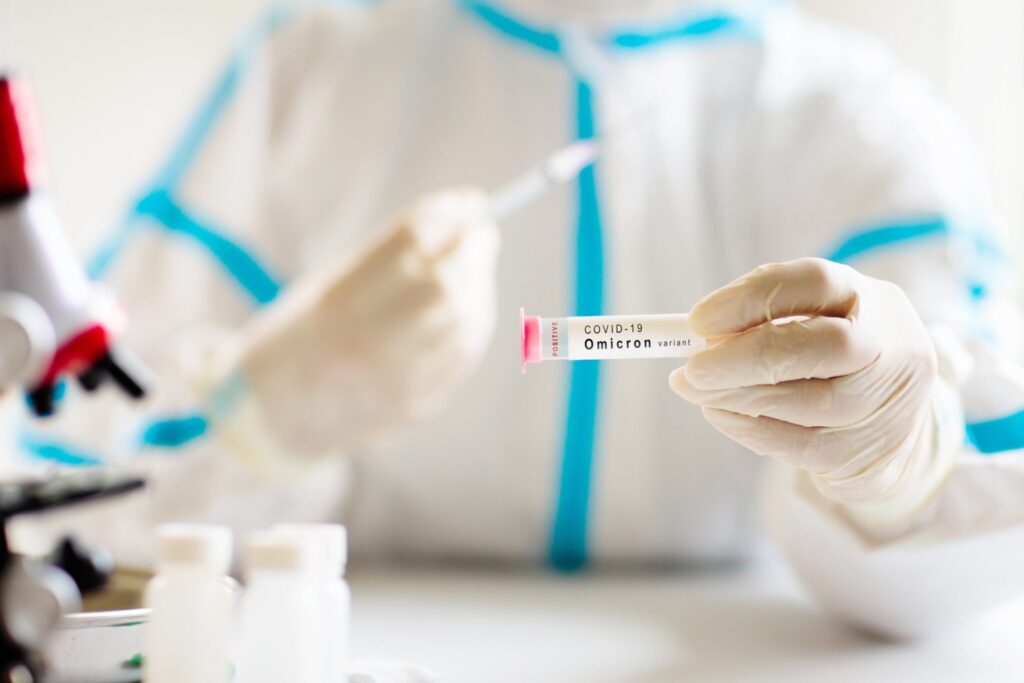
What is the Omicron variant?
The Omicron variant was reported to WHO on 24 November 2021and was later classified by the WHO as a variant of concern on 26 November 2021. This classification was made based on the advice of the Technical Advisory Group on Virus Evolution and primarily on information from South Africa that the variant has a notable number of mutations and has caused a significate change in COVID-19 epidemiology.
What makes the Omicron variant different from other variants?
Any variants of Covid-19 or any visus are different. This variant has a notable number of mutations (changes to its protein structure). Which could mean the virus acts differently from other variants that are circulating.
We still have minimal information on this variant; however, studies are still ongoing and aim to determine changes in how easily the virus spreads and the severity of the disease it causes and if current measures will be sufficient to contain the spread of the virus.
It is essential to be cautious of any new variant as time is needed to collect the evidence to determine if there is a change in the transmission of the new variant compared to others, how the variant responds to existing therapeutics, or whether infection or re-infection with Omicron causes more or less severe disease.
WHO is continuing its work with technical partners from around the world to understand the potential impact of the Omicron variant on vaccine efforts. At Present, the Delta variant is dominant worldwide, and COVID-19 vaccines are highly effective at protecting you from severe illness and death. The research will be focused on assessing the performance of current vaccines against Omicron. Contact our team today to discuss Coronavirus Home Testing.

What is being done to understand more about the Omicron variant?
Both the WHO and national health services from around the world continue to coordinate with a large number of researchers around the world to understand more about all variants. Many studies are needed, including assessments of:
Transmissibility, or ease of spread from person to person, of Omicron as compared to other variants
- The severity of infection and re-infection with Omicron
- Performance of current COVID-19 vaccines against Omicron
- Interpretation of diagnostic tests, including antigen tests, to detect infection with Omicron
- Effectiveness of current treatments for the management of patients with COVID-19 disease
The WHO’s Technical Advisory Group on Virus Evolution and other organisations such as the CDC will continue to monitor and evaluate the data as it becomes available and assess if mutations in the Omicron variant alter the behaviour of the virus.
Omicron’s announcement had frightened many people across the country due to the new coronavirus’s transmissibility. However, from December 31, the latest data from the UK Government indicated there were only about 250,000 confirmed cases of Omicron in the UK. Omicron in the UK was first noted on November 27, which led to a sharp increase in new cases in a blazingly short period, with a number of more than 250,000.
In general, the symptoms of Omicron are less severe than the symptoms of other strains of coronavirus, even for those who have had the vaccine against it. That being said, people can still become noticeably ill, and in a few cases, have passed away after contracting the virus.
According to The Daily Express, “Experts across the globe have now identified eight warning signs of Omicron and warned these are most likely to come on in the early stages of the illness.
The eight early warning symptoms of Omicron according to data from the UK, the US and South Africa are:
- Scratchy throat
- Lower back pain
- Runny nose/congestion
- Headache
- Fatigue
- Sneezing
- Night sweats
- Body aches
These symptoms may appear as early as two days after being exposed to someone who has Omicron.
However, symptoms can take longer to appear, even up to 14 days after exposure, which is why if you’ve been exposed to the virus, you should either continue to test regularly (every day) or self-isolate for ten days.”
Make sure you listen to the latest news to remain aware of the most recent issues concerning the outbreak and how you can protect yourself and others.

